TRCA 2025 ANNUAL REPORT
Rooted in Resilience:
TRCA 2025 Annual Report
LAND ACKNOWLEDGEMENT
We respectfully acknowledge the lands we are situated on are Traditional Territories and Treaty Lands, in particular those of the Mississaugas of the Credit, as well as the Anishinaabe of the Williams Treaty First Nations, the Huron-Wendat, the Haudenosaunee, and are now home to many diverse First Nations, Inuit and Métis peoples. Toronto and Region Conservation Authority (TRCA) appreciates and respects the history and diversity of the land and is grateful to have the opportunity to work and meet in this territory.
TRCA’S VISION, MISSION, AND CORE VALUES
VISION – Click to View
The achievement of safe and resilient communities.
MISSION – Click to View
The provincial leader in conserving, restoring and managing natural resources to advance safe and sustainable development.
CORE VALUES – Click to View
Working with government and the communities we serve to achieve collective impact and advance shared goals:
- Integrity
- Collaboration
- Accountability
- Respect
- Excellence
MESSAGE FROM THE CHAIR, VICE-CHAIR,
BOARD OF DIRECTORS AND CHIEF EXECUTIVE OFFICER
In a year defined by change, 2025 reminded us why action-oriented resilience is the foundation of our work. As the impacts of a changing climate converge with the realities of rapid urban growth in Canada’s fastest growing region, our mandate has never been more vital. TRCA is called upon to protect and restore our environment and support responsible growth, including contributing to the housing, infrastructure, social, and economic priorities that matter to our partners and the public. Through legislative change and evolving expectations, our focus remained clear: serving our communities well.
This year, we continued to advance TRCA’s long-standing legacy by building Resilient Landscapes: places that can withstand a changing climate while supporting the prosperity of tomorrow. Our land protection and watershed management activities contributed to provincial and national conservation targets, and are informing large-scale infrastructure projects such as Highway 413 and regional water and sewer system projects in Durham, Peel, and York regions, and the City of Toronto. Erosion risk management projects strengthened public safety and safeguarded critical infrastructure. Restoration initiatives, including work at Brampton’s Donnelly Pond and Loafer’s Lake, improved ecosystem health, while our work with Waterfront Toronto on transformational projects such as the Toronto Port Lands demonstrated TRCA’s leadership in shaping climate-ready waterfronts and future communities.
We also invested in Resilient Communities: places where nature, recreation, and learning thrive together. Progress on our Trail Strategy, anchored by the launch of the Brimley Road South Multi-Use Trail as part of the Scarborough Waterfront Project, and by work on The Meadoway and trail segments across our jurisdiction, moved the region closer to a more connected and accessible trail network. Our Conservation Parks continued to welcome millions seeking leisure, outdoor education, and community events. Through programs like Girls Can Too and TRCA’s Youth Council, we supported the next generation of environmental leaders whose ideas and energy are helping shape the future of conservation.
Equally important were Resilient Relationships: TRCA supported partners with high-quality science, data, and technical expertise, reinforcing our role as a trusted advisor and collaborator. Recognition as one of Canada’s Greenest Employers and one of Greater Toronto’s Top Employers, along with major national and international awards, reflects not only our role as leaders in sustainability, but also the professionalism, dedication, and innovation of our staff across the organization.
Looking ahead, the opportunities before us are significant. TRCA will continue to be a global leader in sustainability, strengthen partnerships, support responsible growth, and ensure conservation values remain embedded in regional decision-making. The enduring principles of the conservation movement: stewardship, scientific integrity, and long-term thinking, remain essential as we collectively build safe, resilient, and prosperous communities.
On behalf of the Board, thank you to our staff, volunteers, partners, and supporters for your commitment, your adaptability, and your belief in this work. Together, we are strengthening the resilience of our landscapes, our communities, and the relationships that connect them.
Sincerely,

Paul Ainslie
Chair, TRCA Board of Directors
 Dave Barton
Vice-Chair, TRCA Board of Directors
 John MacKenzie
Chief Executive Officer
EXPLORE THE 2025 ANNUAL REPORT
Toronto and Region Conservation Authority’s (TRCA) 2025 Annual Report is organized around four strategic pillars, reflecting the structure of our 2023-2034 Strategic Plan. Select the pillars below and the numbered performance measurements associated with each to view TRCA’s progress towards its goals in 2025.
PILLAR 1: Environmental Protection and Hazard Management – Click to View
FEATURE STORY – Riverwalk Begins: Building Brampton’s Resilient Future
1.1 Deliver provincially mandated services pertaining to natural hazards including flood and erosion
1.2 Leadership in greenspace conservation
1.3 Maintain healthy and resilient watershed ecosystems in the face of a changing climate
PILLAR 2: Knowledge Economy – Click to View
FEATURE STORY – Advancing Resilience Through Knowledge, Innovation, and Partnership
2.1 Research and development that drives innovation and climate-based solutions
2.2 Collaboration to advance a green transition
2.3 Advocacy and adaptability in the face of policy pressures
2.4 Integrate environmental considerations and science into decision-making
PILLAR 3: Community Prosperity – Click to View
PILLAR 4: Service Excellence – Click to View

GOAL: Mitigating hazard risks to communities and protecting the natural environment
Riverwalk Begins: Building Brampton’s Resilient Future
The groundbreaking of the Downtown Brampton Flood Protection Project, known as Riverwalk, marked a transformative step toward a safer, more resilient city.
In partnership with the City of Brampton and federal and provincial governments, TRCA is advancing a shared vision to address historic flooding in Etobicoke Creek.

As severe storms become more frequent across the GTA, Riverwalk demonstrates how long-term resilience planning and green infrastructure set the stage for redevelopment and future growth, so that housing, businesses, and public spaces can thrive safely.
TRCA has played a central role in realizing the Riverwalk, from planning and design to implementation.
TRCA led the Environmental Assessment, provided technical expertise and flood modelling through detailed design, and ensured all works meet or exceed Ontario’s Regulatory Flood Standards.
Construction now underway includes widening and deepening the downtown bypass channel, realigning Ken Whillans Drive, and regrading Church Street and nearby valley areas. Planned upgrades include new bridges at Church, Scott, and Queen Streets, improving the CN rail bridge to enhance water flow, and a new pedestrian bridge in Centennial Park to strengthen active transportation links.
These improvements will significantly reduce flood risk for hundreds of properties and unlock new redevelopment opportunities for housing, economic development, and public realm enhancements.
Looking ahead, Riverwalk will stand as a leading example of resilience in action, revitalizing this part of Etobicoke Creek, protecting downtown Brampton, and creating vibrant greenspaces for residents. It forms part of TRCA’s broader partnership with Brampton, which in 2025 advanced wetland restorations, habitat improvements, natural channel works, and new active transportation connections under TRCA’s Trail Strategy.
Together, these initiatives show how strong conservation authority-municipal partnerships are shaping safer and healthier communities equipped for the future.
1.1 |
Deliver provincially mandated services pertaining to natural hazards including flooding and erosion |
TRCA provides provincially mandated services pertaining to natural hazards including flood and erosion monitoring and risk management.
Ashbridges Bay Transformation Complete
Delivered in close partnership with the City of Toronto, and aligned with broader waterfront planning, the Ashbridges Bay Landform Project has reshaped the waterfront by creating new, usable lands with natural areas and a space for a future high-rate water treatment facility.
This project stands as a practical example of how coordinated planning and partnerships serve both infrastructure needs and the public good.
These achievements represent a significant step in building stronger resilience to more extreme storms, erosion, and sedimentation, expanding aquatic and terrestrial habitat, accommodating public infrastructure, and creating new public spaces for Torontonians and visitors.
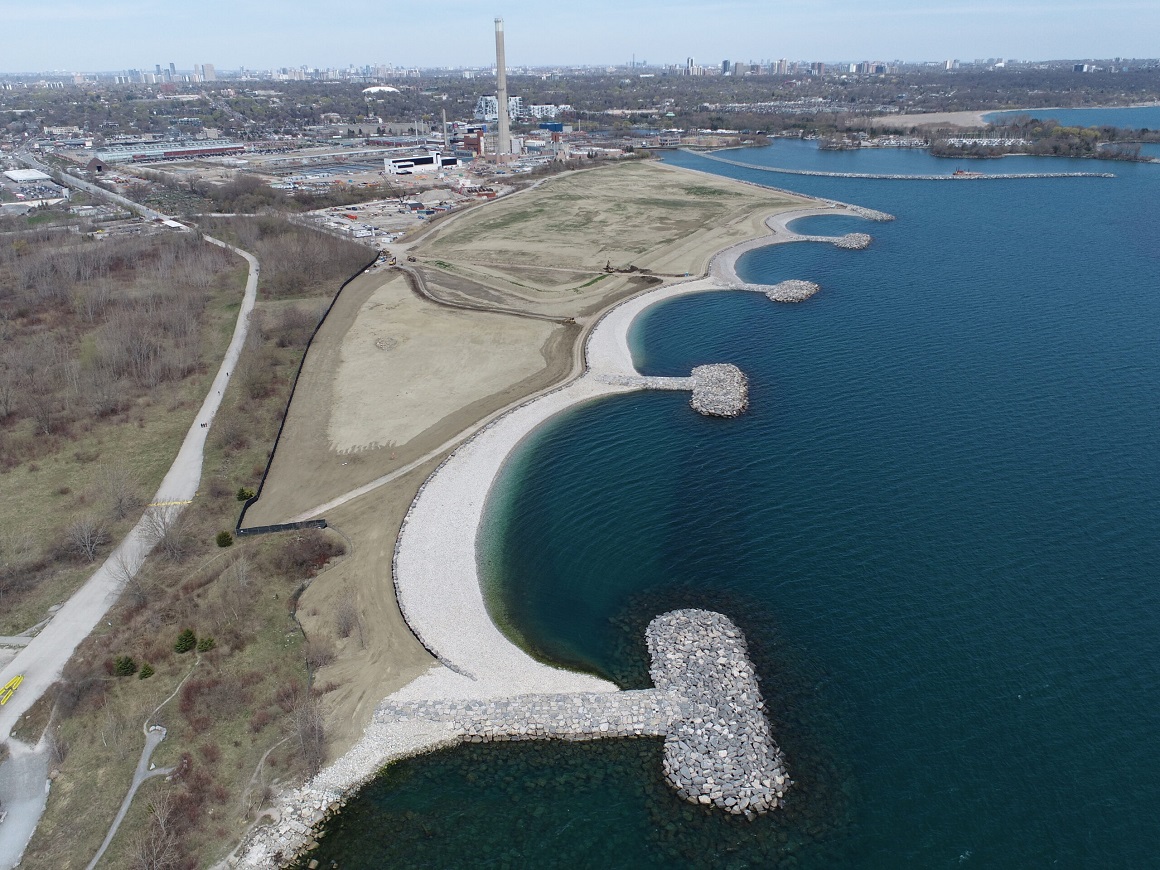
Key project milestones achieved in 2025:
- Finalization of the Central Breakwater, reducing navigation hazards in Coatsworth Cut
- Shoal construction for aquatic habitat enhancements
- Invasive species management
- Installation of native seeds and tree plantings
With TRCA heavy construction crews now demobilized, the project is entering its final phase of restoration and naturalization.
New publicly accessible lands and 875 m of new trails will be integrated into Tommy Thompson Park by late 2026.
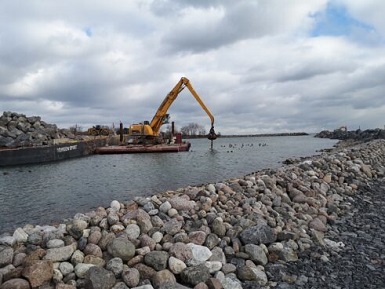
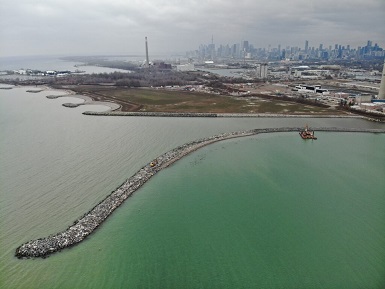
Construction progress of the Central Breakwater.
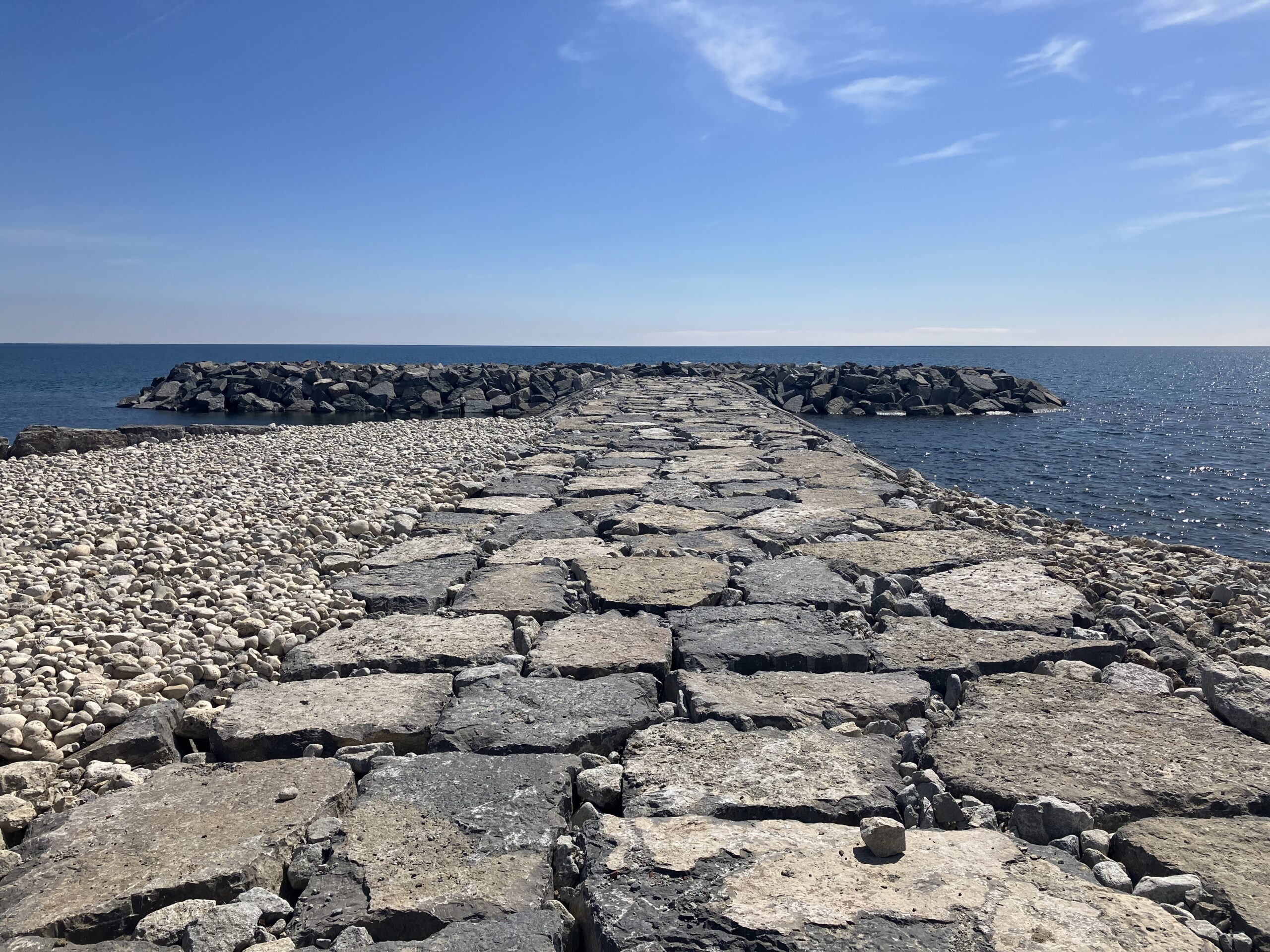
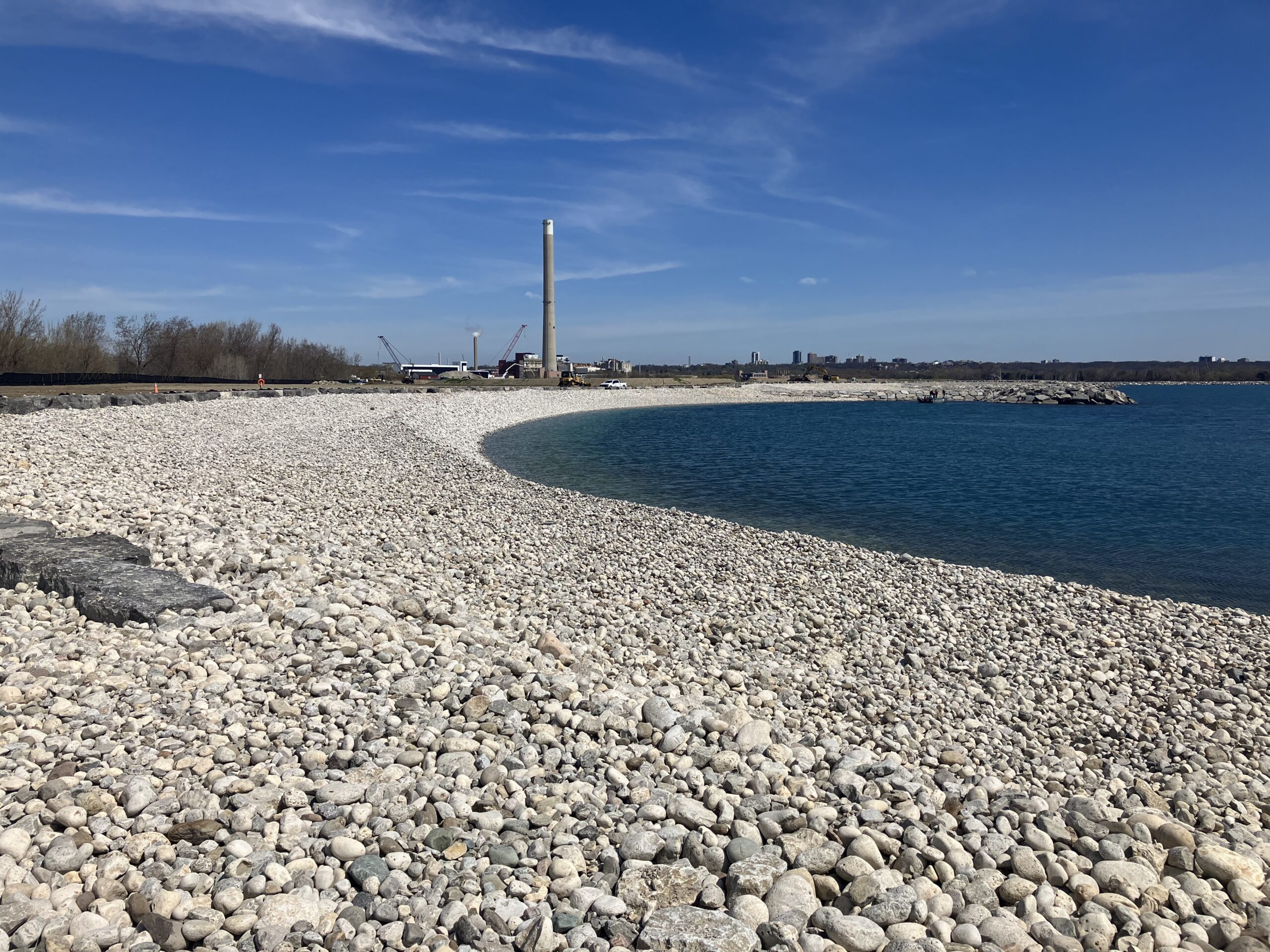
Completed headland (left) and cobble stone shoreline structure (right).
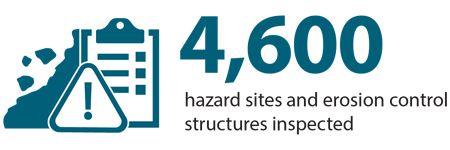
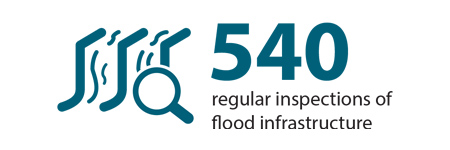
Inspections and Warnings: Key Highlights

Advancing Flood Emergency Preparedness Together
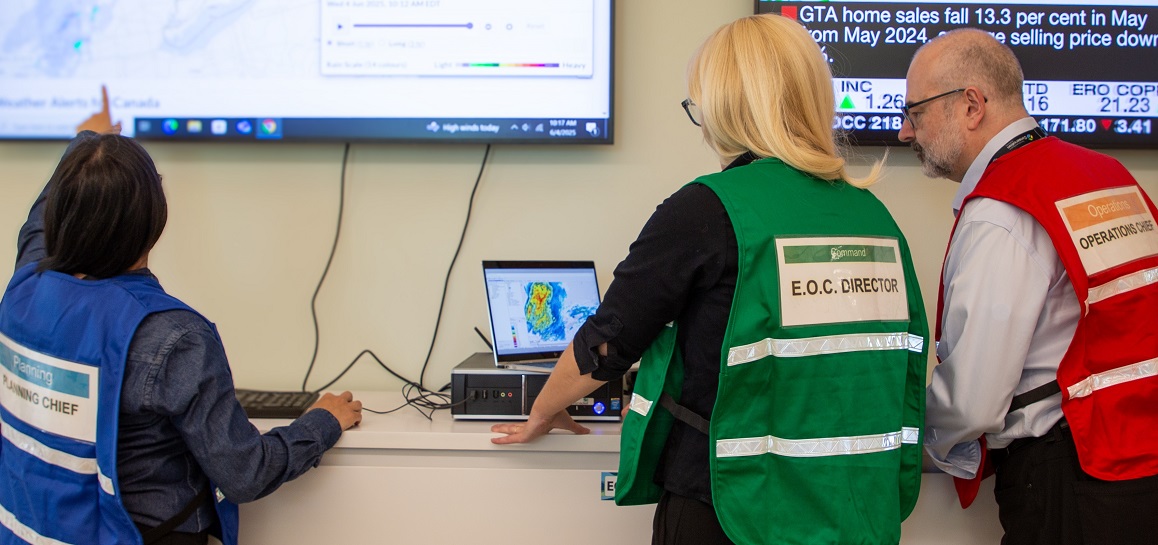
In partnership with the GTA Flood Group, which comprises eight conservation authorities, TRCA organized and hosted the biennial Floods Happen municipal webinar. This workshop supports municipal leaders in meeting their responsibilities under the Emergency Management and Civil Protection Act (EMCPA) and prepares them for effective flood emergency response. The 2025 session, which was attended by 191 individuals from 51 municipalities and regions, outlined roles and responsibilities during flood events.
TRCA also participated in 8 additional workshops or exercises with municipal and provincial partners and remains an active member of 6 working groups related to flood management.
2025 saw a variety of successful initiatives to increase public awareness of flood risks and safety measures:
-
- Expanded flood notification capability from email only to include text messaging, with 1K registrants since the August launch
-
- Achieved 130% growth in flood messaging email subscriptions through targeted digital media campaigns
-
- Engaged residents at 5 community events and collaborated with elected officials to amplify flood-related information
-
- Collaborated with 10 municipalities and regions to share TRCA flood messages via websites and social media, with discussions underway with 3 additional partners
Flood Infrastructure
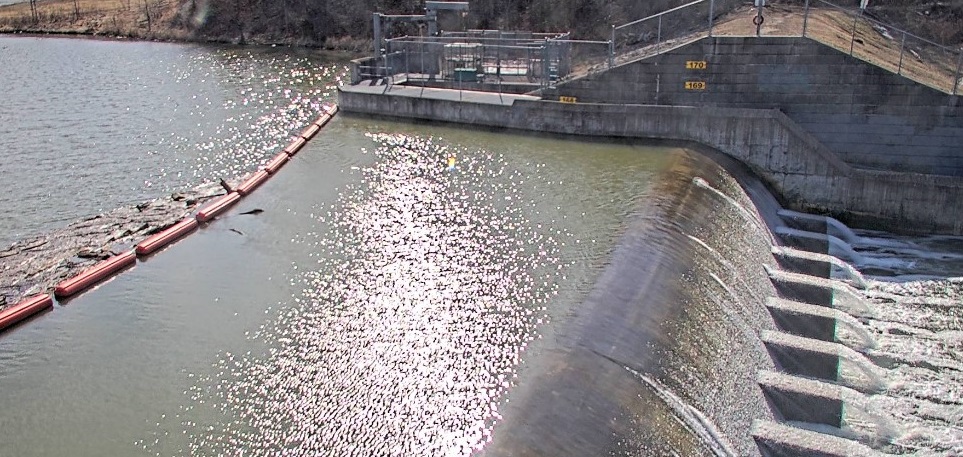
TRCA operates and maintains 12 dams, 6 dikes, and 9 channels. 11 of the dams have current safety reviews, and all have up-to-date operation, maintenance, and surveillance manuals. All 7 of the high or very high hazard dams have current emergency preparedness and response plans.
Reducing Flood Risk
The removal of vegetation and sediment operations along 7.2 km of TRCA’s channels helped to maximize the flow of water to reduce the risk of flooding. 100% of flood control channels now achieve optimal conveyance, supporting the effective flow of water.
Flood Risk Knowledge
TRCA maintains 52 rain gauges and 61 stream gauges which are inspected monthly. 12 locations now feature video monitoring, enabling continuous real-time data collection.
96% of flood plain data currently meets the service delivery standard of ensuring that data is no more than 10 years old. 333 flood plain maps are available and serve jurisdictional partners to advance flood risk management needs.
Broadview and Eastern Flood Protection Project
Work advanced this year through strong coordination with Waterfront Toronto, the City of Toronto, and the Province of Ontario. READ MORE.
In August, TRCA approved the relocation of utilities and underground infrastructure on publicly owned lands. Detailed design for the above-ground work is underway, and a formal permit submission is anticipated in 2026.
This work will facilitate redevelopment and new infrastructure by removing flood vulnerable areas in the East Harbour area, enabling key future projects, including the Broadview Avenue Extension, East Harbour Transit Hub, and the Ontario Line.
This essential component of a revitalized Toronto waterfront will alleviate long-standing flooding constraints and support new housing in Toronto’s emerging communities.
Erosion Risk Management
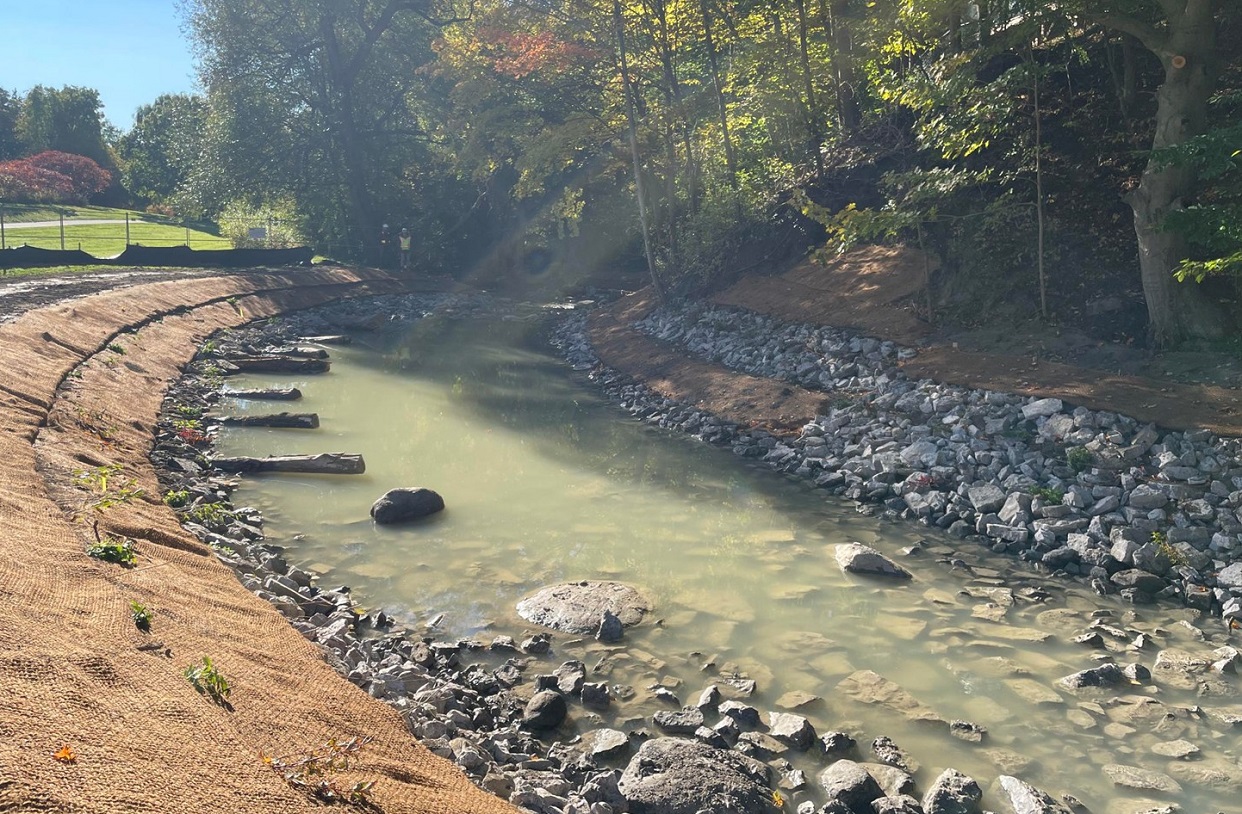
Work this year has included 4.3 linear km of valley and shoreline stabilization at 13 priority sites. 84% of erosion control structures remain in acceptable condition throughout the jurisdiction.
Managing Erosion Risks Effectively
TRCA’s Erosion Risk Management program identifies and repairs erosion hazards that place vulnerable infrastructure and/or public safety at risk along shorelines and valleys across TRCA’s jurisdiction.
Ongoing maintenance and management of TRCA’s erosion control assets protect critical infrastructure and ensure public safety for both TRCA and municipal partner assets.
Information collected through the program informs project prioritization and also helps guide long-term capital planning to maximize efficient approaches.
The advancement towards reach-based analysis progressed this year, using the Rouge River Watershed as part of a pilot study area. The initial stages of implementation for upgrading the program’s central database were also completed.
Safe Trail in York Region along the East Humber River
TRCA has successfully upgraded a key section of the William Granger Greenway Trail in the City of Vaughan, replacing a failing erosion control wall with a sturdy armourstone wall and other bank-stabilizing features. This project ensures the trail is protected while also supporting local wildlife with natural habitat features like native plants.
This initiative was made possible with support from Infrastructure Canada’s Disaster Mitigation Adaptation Fund, as part of the Toronto Region Ravine Erosion Mitigation Project.
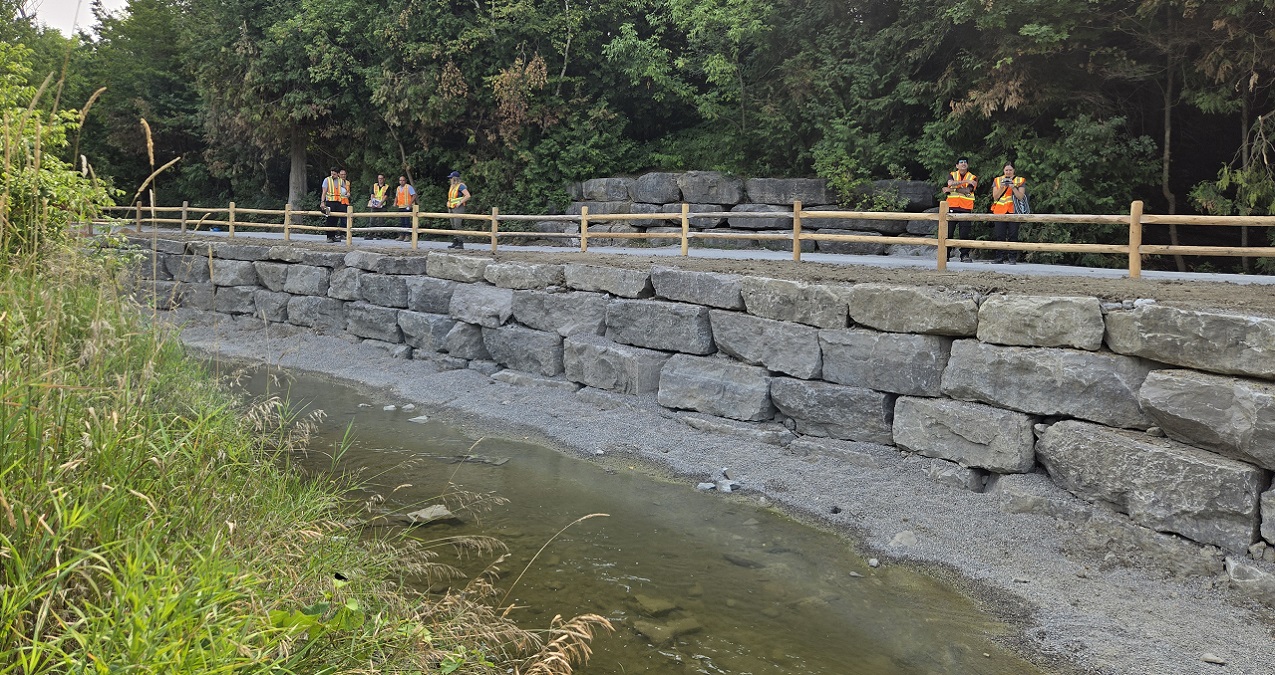
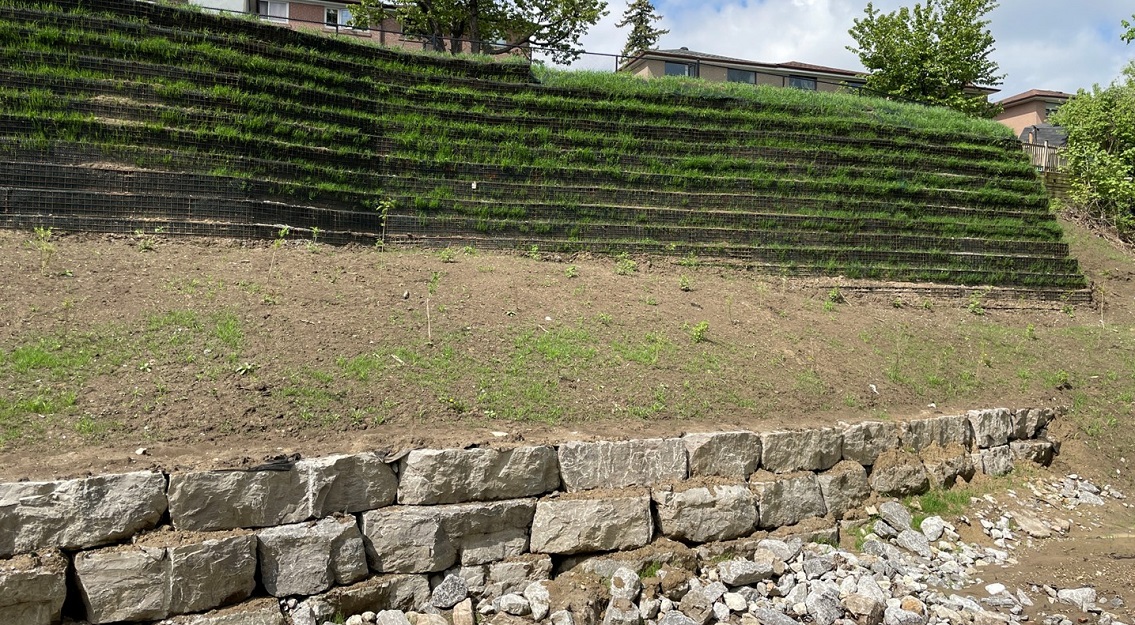
Other notable 2025 erosion risk management works include: the completion of the Crawley Park Protection project (Peel Region); the Topcliff Avenue Erosion Control and Slope Stabilization project and the Yellow Creek below Summerhill Gardens Channel Repairs project (City of Toronto); and 2 debris removal projects, as well as 5 actively planned and designed projects impacting erosion-vulnerable infrastructure (York Region).
Carruthers Creek Hydrology and Mapping
This year, TRCA secured 50% of funding through the federal Flood Hazard Identification and Mapping Program to advance new hydrology modelling for the Pickering–Ajax area, with the remaining costs jointly funded by TRCA, the City of Pickering, and the Town of Ajax.
Work is expected to continue throughout 2026, delivering updated regional and 2- to 100-year flow estimates to inform future floodplain mapping and strengthen stormwater management criteria.
Data-driven insights made possible through projects like this, and through strong cross-governmental partnerships, allow TRCA to better mitigate flood risks and prepare communities for a safer and more resilient future.
1.2 |
Leadership in greenspace conservation |
TRCA protects and manages natural heritage systems throughout its jurisdiction by ensuring safe operation and access, site protection and maintenance, ecosystem protection, and unmatched visitor experiences.
Building Community and Climate Resilience Through Nature
The Donnelly Ponds restoration shows how resilience is strengthened when projects support both healthy environments and healthy communities.
Located in the Etobicoke Creek watershed and directly linked to the vitally important Heart Lake wetland complex, the site had been impacted by sediment-filled wetlands, degraded shorelines, invasive species, and a failing trail that frequently flooded.
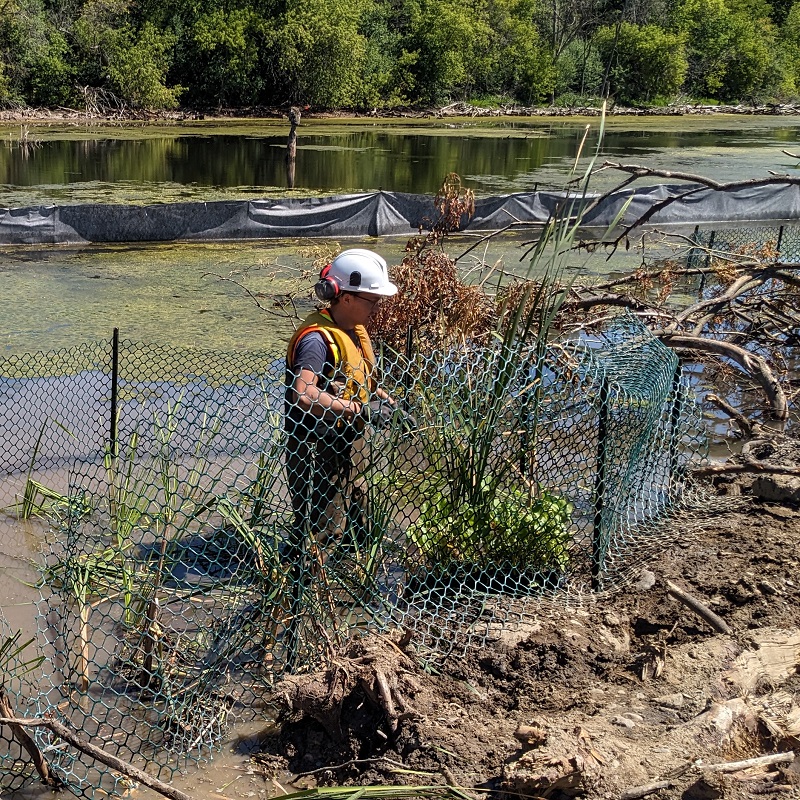
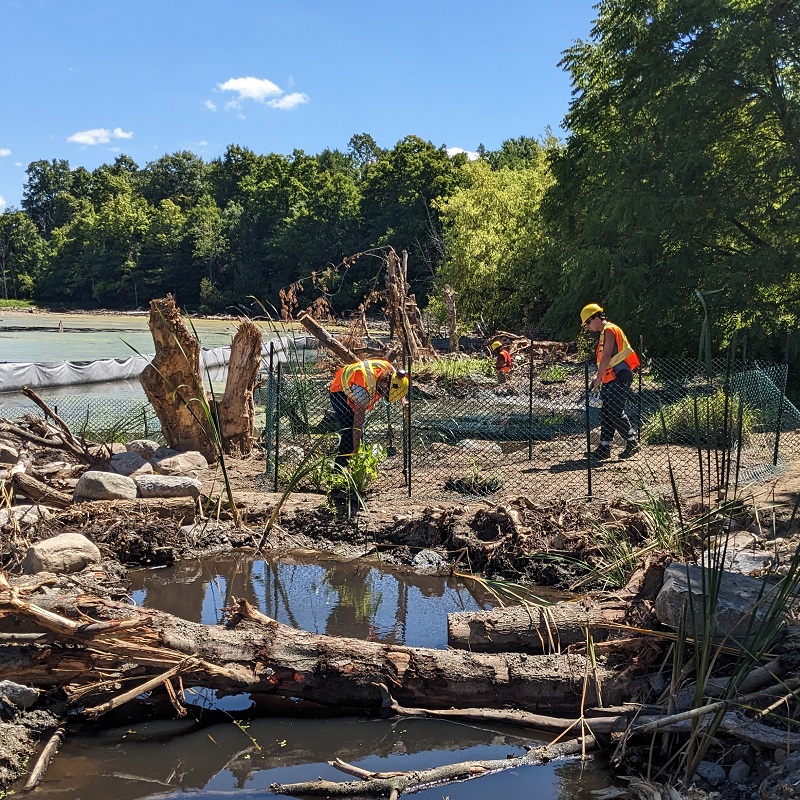
TRCA wetlands restoration efforts in progress at Donnelly Ponds.
Working closely with Peel Region, the City of Brampton, and Environment and Climate Change Canada through its Environmental Damages Fund, TRCA advanced resilience on multiple fronts by increasing wetland storage to reduce flood risk, expanding naturalized areas, and enhancing opportunities for passive recreation that keeps residents connected to nature.
In 2025, TRCA restored 5 ha of wetland, rebuilt 250 m of degraded shoreline, managed 0.5 ha of invasive species, and installed habitat features such as log tangles, spawning shoals, and root wads to boost biodiversity and ecological function.
The dredging of the north wetland (1K m²) removed accumulated stormwater sediment and deepened the pond to improve overwintering habitat for turtles. Clearing the culvert under Sandalwood Parkway re-established the hydrological connection to the Heart Lake Wetland complex, while repurposing an area for future reforestation and expanded naturalization efforts.
TRCA also rebuilt the chronically flooded trail separating the two ponds, installing a culvert designed to manage large storm events and improve long-term trail stability. New turtle nesting habitat, a constructed hibernaculum, and wildlife protection fencing further safeguard species that rely on the site.
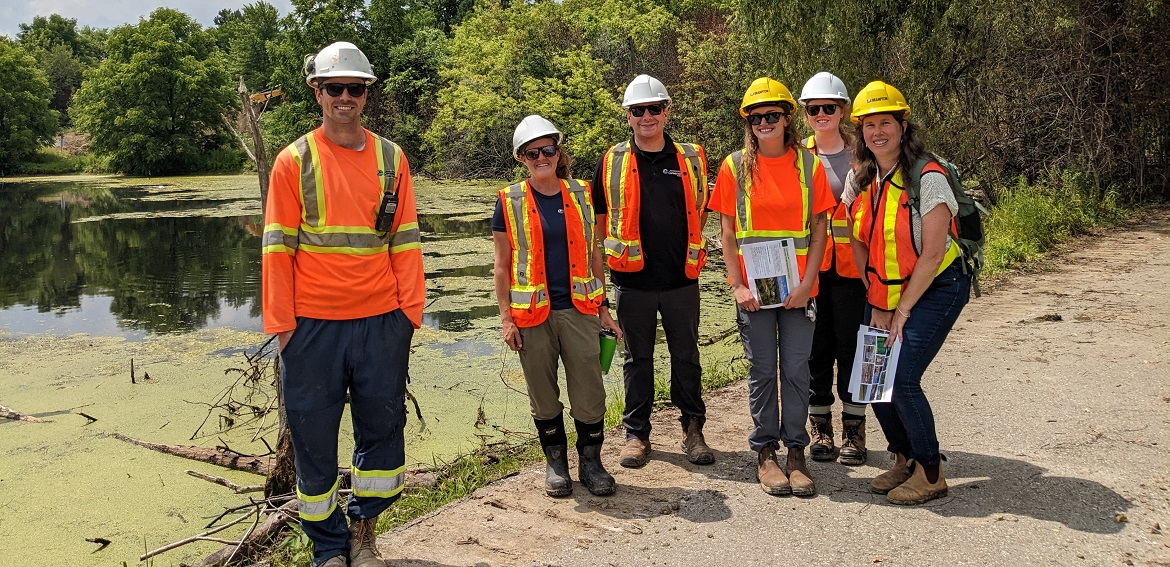
City of Brampton and TRCA staff at Donnelly Ponds.
These improvements create a more climate-resilient landscape that reduces flooding, strengthens ecological health, and enhances outdoor enjoyment.
Building on restoration efforts at nearby Loafer’s Lake and supporting the City of Brampton’s Lake Enhancement Strategy, Donnelly Ponds demonstrates how natural and urban systems can be designed to deliver real benefits for communities and ecosystems.
TRCA’s Latest Contributions to Canada’s Protected Areas
Another 7,406 ha of TRCA-owned properties were recognized as protected areas in the Canadian Protected and Conserved Areas Database in 2025. This brings the total to 9,654 ha of TRCA-owned lands contributing towards the Government of Canada’s commitment to protecting at least 30% of Canada’s lands and inland waters by 2030.
Through robust policies and management planning, TRCA lands met the standards required for protecting biodiversity under the Pathway to Canada Target 1 initiative, including confirmed geographic boundaries, effective management policies, permanent protection, and measurable biodiversity outcomes.
Planting Future Forests
The early snow made the 2025 fall planting season memorable! Despite this, over the spring and fall, staff and community volunteers planted 152K trees and shrubs throughout the jurisdiction.
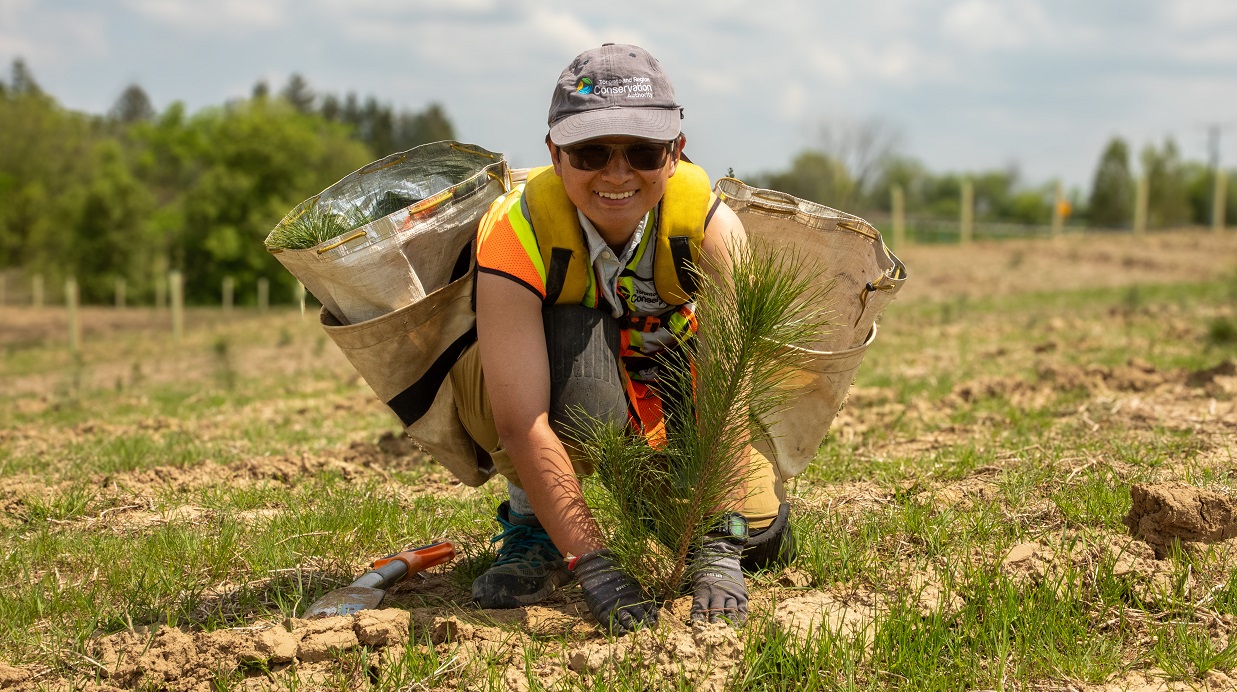
Native tree and shrub restoration is essential to healthy watersheds, both in natural areas and parklands as well as on private property.
This work could not have been done without partnerships: 42 private landowners facilitated planting projects covering 35 ha, in addition to plantings on 36 ha of public land.
Successful long term planting requires site maintenance, which TRCA prioritizes through ongoing site visits to safeguard against over-browsing by wildlife and to provide regular watering, which was much needed given the hot summer’s drought-like conditions.
Scarborough Bluffs West Project
The first phase of the Scarborough Bluffs West Project was completed in October 2025 through approval of the terms of reference by the Ministry of the Environment, Conservation and Parks (MECP). The second phase, the Environmental Assessment, was formally launched in November 2025 and will explore the enhancement and protection of sensitive shoreline and natural areas as well as opportunities for improved waterfront experience and access between the Eastern Beaches (Silver Birch Avenue) and Bluffer’s Park along Lake Ontario.
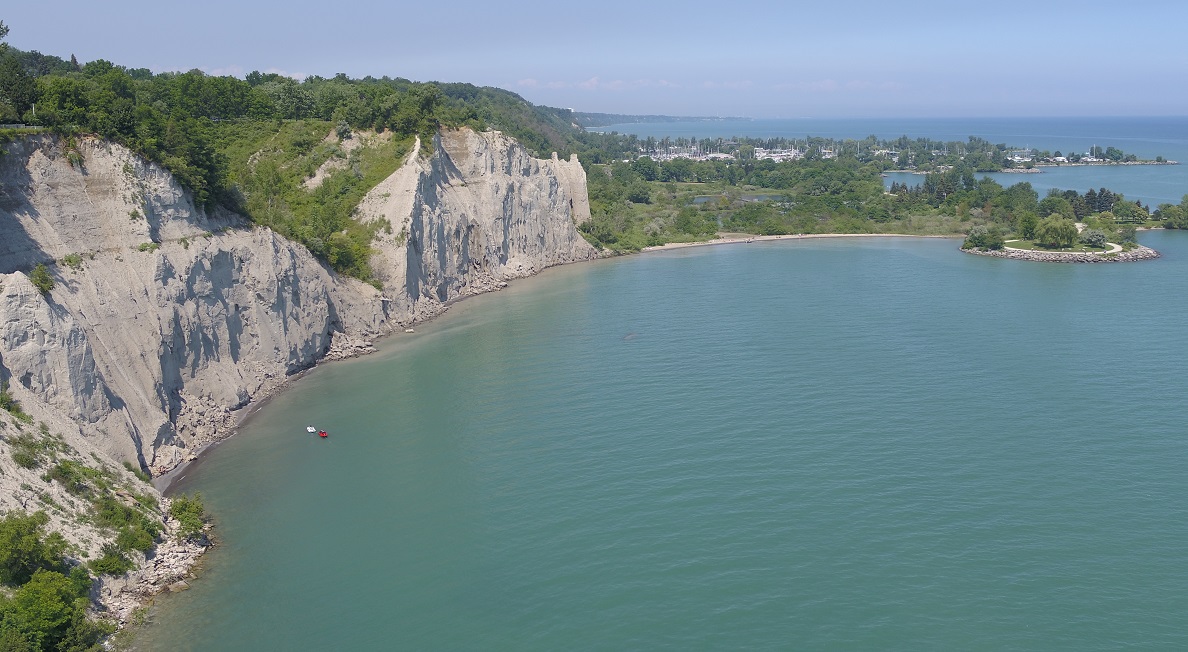
The project will consider opportunities to improve how people access, move through, and experience the waterfront; preserve and enhance the natural environment, including the cultural significance of the Bluffs; and minimize natural hazards and risks to public safety caused by erosion.
Development of proposed alternative solutions will be undertaken through winter 2025 and early 2026, with the public, agency, and Indigenous community engagement process to be re-initiated later in 2026.
Right Lands, Right Place
The Greenspace Acquisition Project 2021-2030 is a strategy that guides the optimal land ownership to advance the region’s needs through TRCA. Partnership models and acquisition approaches vary each year, depending on funding and opportunity.
In 2025, TRCA acquired 22.33 ha across 4 parcels, the largest of which was located in the City of Vaughan.
Watershed Plan Updates
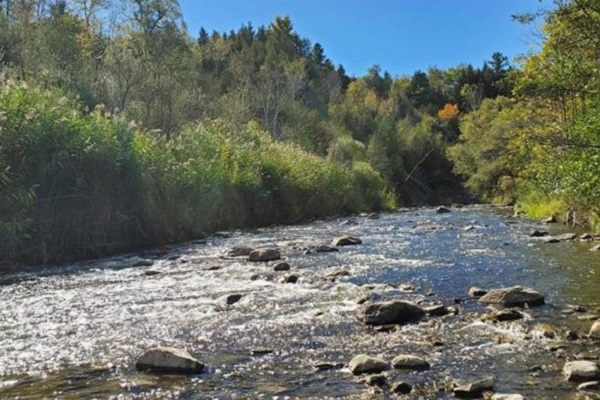
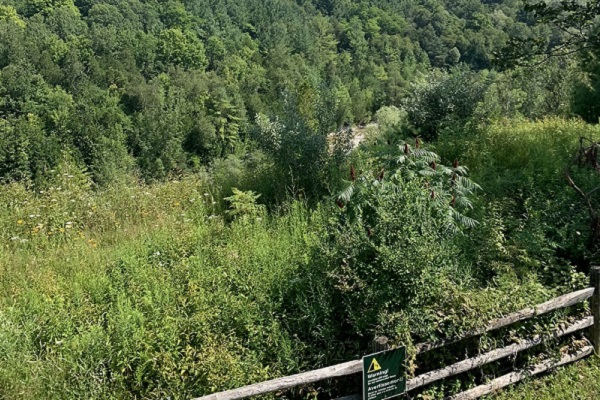
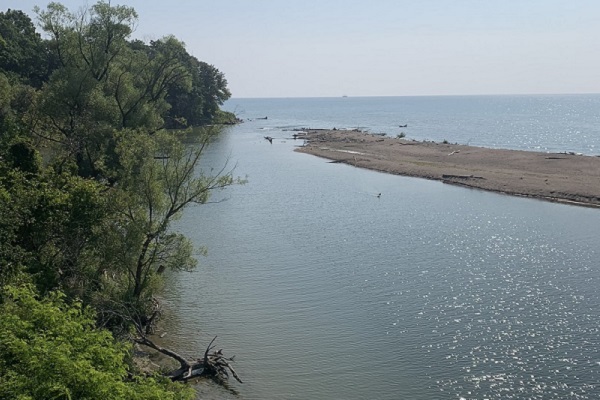
TRCA has completed the scoping phase of the Rouge River Watershed Plan and is now engaged in watershed characterization.
Watershed planning is one of the world’s most advanced, evidence-based frameworks that helps set clear direction for protecting water resources and managing how people use land and water.
TRCA and partners – municipalities, Indigenous partners, the Province, and members of the public – work together through a coordinated approach that strengthens implementation.
From flood protection to ecosystem conservation and climate resilience, watershed plans directly shape projects, policies, and investments that benefit communities directly.
Of the nine watersheds in TRCA’s jurisdiction, 2 have updated management plans and 2 are currently being updated.
Advancements in 2025 include:
-
- Rouge River Watershed Plan: Completed the scoping phase and advanced through the watershed characterization stage. A fall public engagement session was hosted, as well as an Indigenous-led opening ceremony to initiate the planning process through Steering Committee members.
-
- Humber River Watershed Plan: Hosted a spring public engagement survey and continued developing a draft of the plan, including implementation recommendations.
-
- Both the Carruthers Creek Watershed Plan and the Etobicoke Creek Watershed Plan continued to be leveraged by TRCA and partners to advance projects and plans with implementation coordinated and tracked.
Learn more by exploring the Watershed Planning Hub.
1.3 |
Maintain healthy and resilient watershed ecosystems in the face of a changing climate |
TRCA implements effective, targeted programs that improve watershed health and resilience through ongoing monitoring and assessment of natural resources within its jurisdiction.
Restoration: Key Highlights
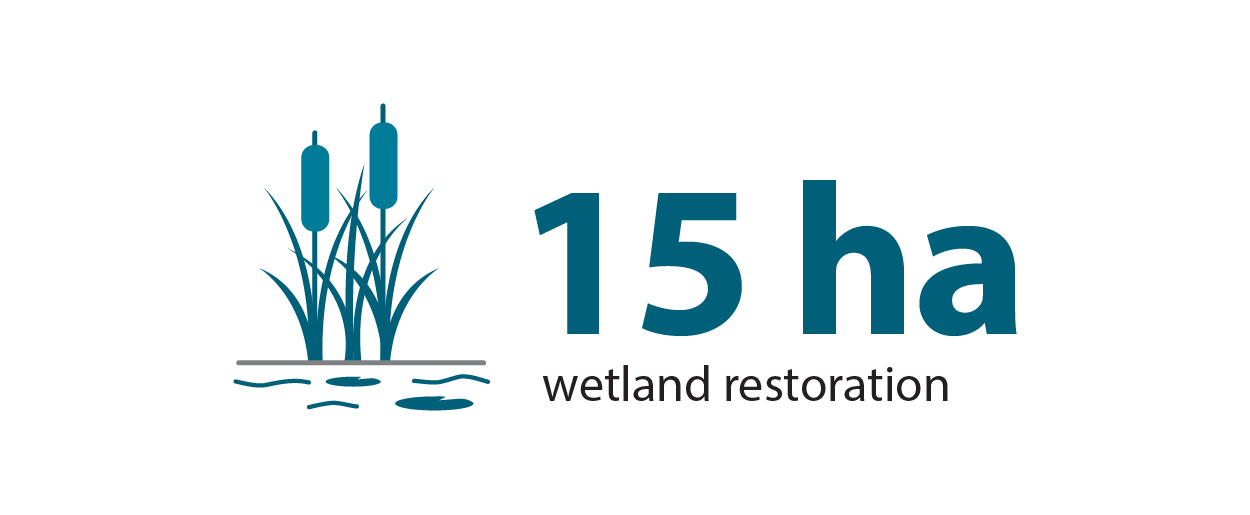
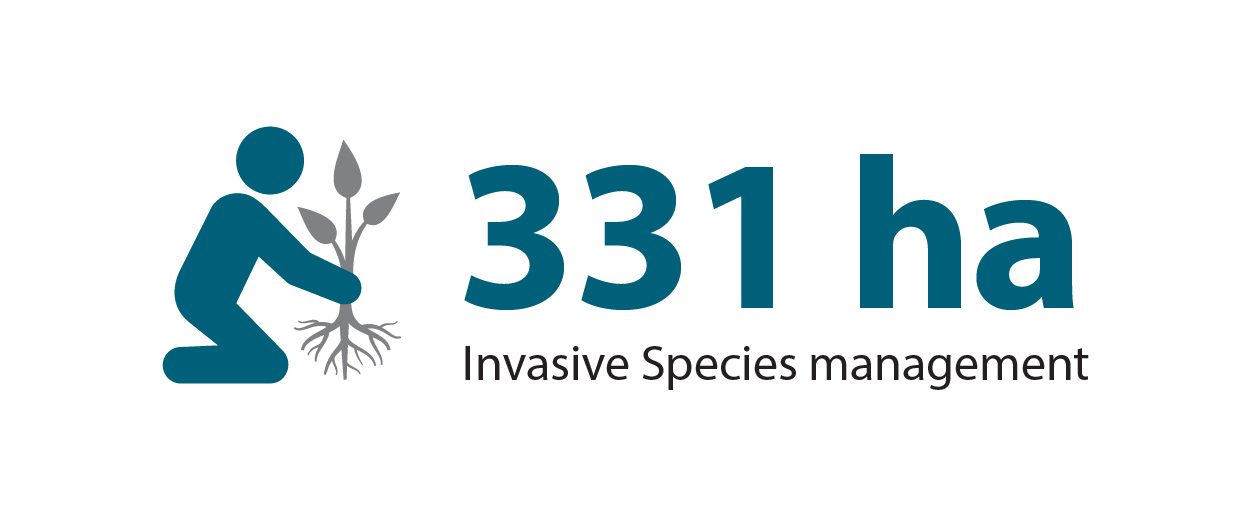
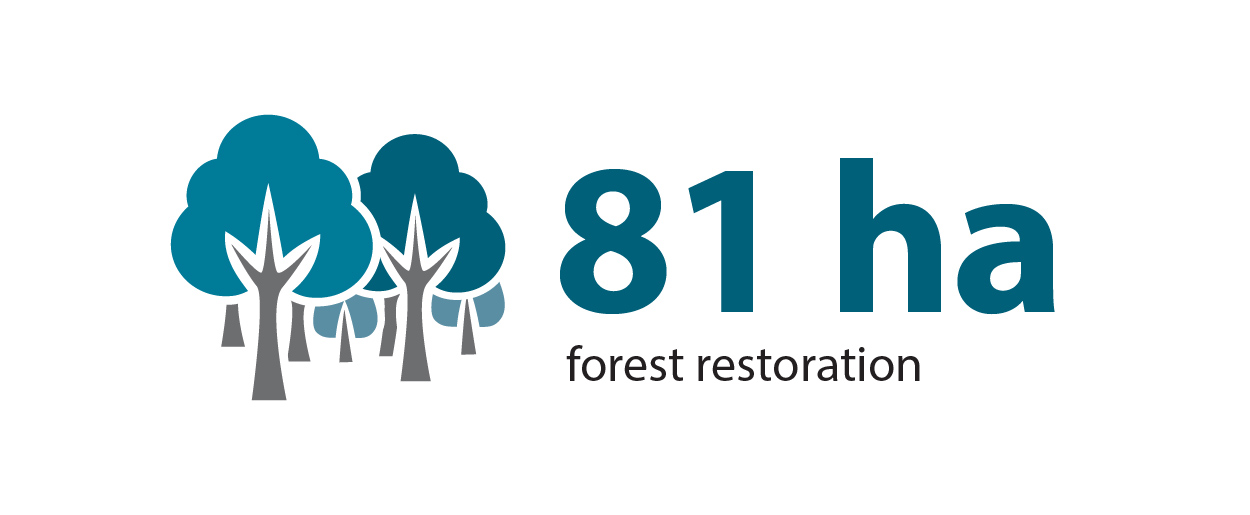
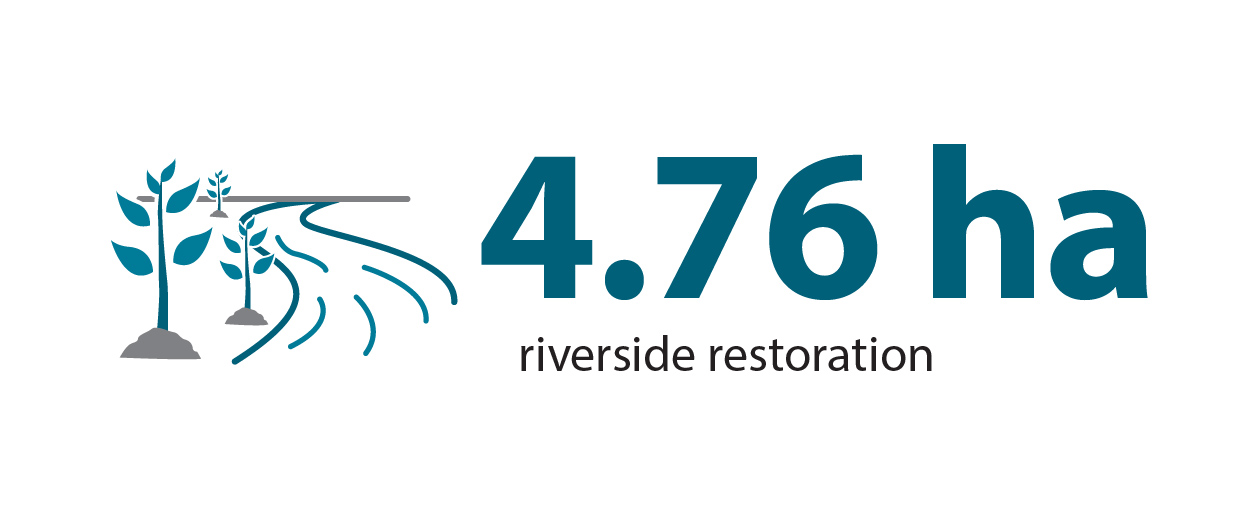
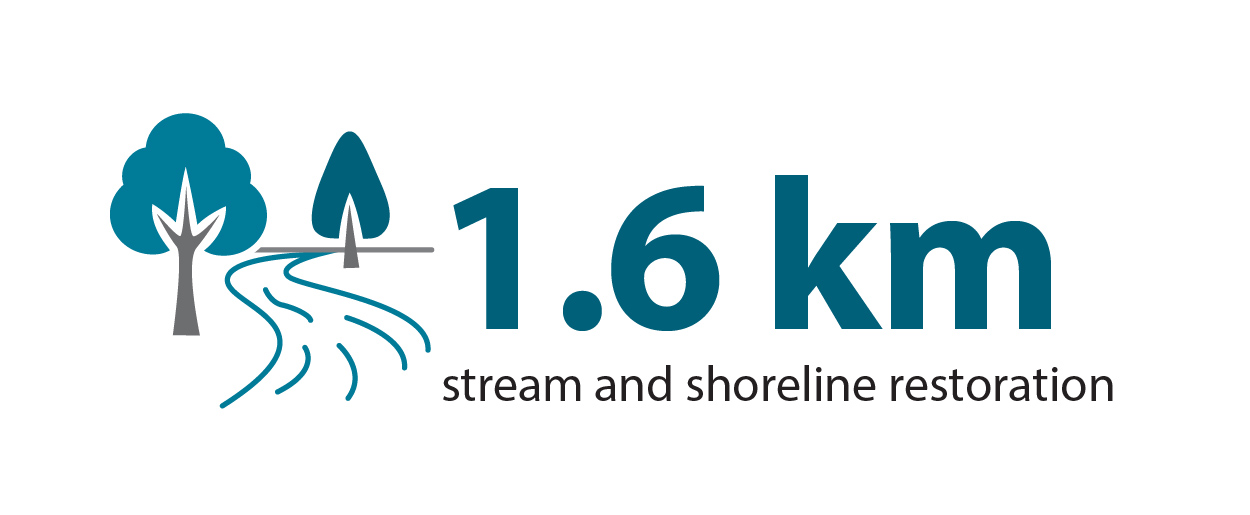
TRCA implemented 400 restoration, resource management, and stewardship projects across the jurisdiction:
Managing Invasives Advances Resilience


Community stewardship volunteers take part in invasive species management.
Invasive plants are a major driver of biodiversity loss and weaken the ecological functions communities rely on for climate change resilience.
In 2025, TRCA advanced a coordinated, science-based invasive plant management program, expanding collaboration, on-the-ground action, and volunteer capacity.
Working with our partners, TRCA aligned priorities and resources to address invasive plants at several ecologically important sites across the jurisdiction, including: Albion Hills Conservation Park; East Duffins Headwaters; Tommy Thompson Park; The Meadoway; Grenadier Pond; and Rouge National Urban Park.
Support from the Invasive Species Centre allowed for coordinated efforts to manage invasive Phragmites, while support from the Uxbridge Trail Sustainability Fund enabled staff and community volunteers to control European buckthorn, and manage an early infestation of Japanese barberry, known for providing black-legged tick habitat.
In total during 2025, TRCA managed 132 sites across the jurisdiction covering 388 ha. This helps address the biodiversity and climate change crises by reducing the invasive plant burden and restoring native vegetation communities.
Additionally, TRCA led or facilitated volunteer events, hands-on learning, and training that helped residents identify, report, and reduce invasive plant species.
This knowledge and local experience foster essential support for long-term management, which leads to healthier, more resilient ecosystems, improving habitat quality, restoring ecological function, and reducing long-term costs.
These efforts create cleaner waterways, better recreation experiences, and natural spaces that can better withstand the climate pressures ahead.
Celebrating 25 Years of Environmental Monitoring!
The Regional Watershed Monitoring Program celebrated 25 years of advancing understanding of the health of the Toronto region’s natural world. Data collected through monitoring of streams, forests, and meadows continues to support science-based decision-making and long-term climate resilience.
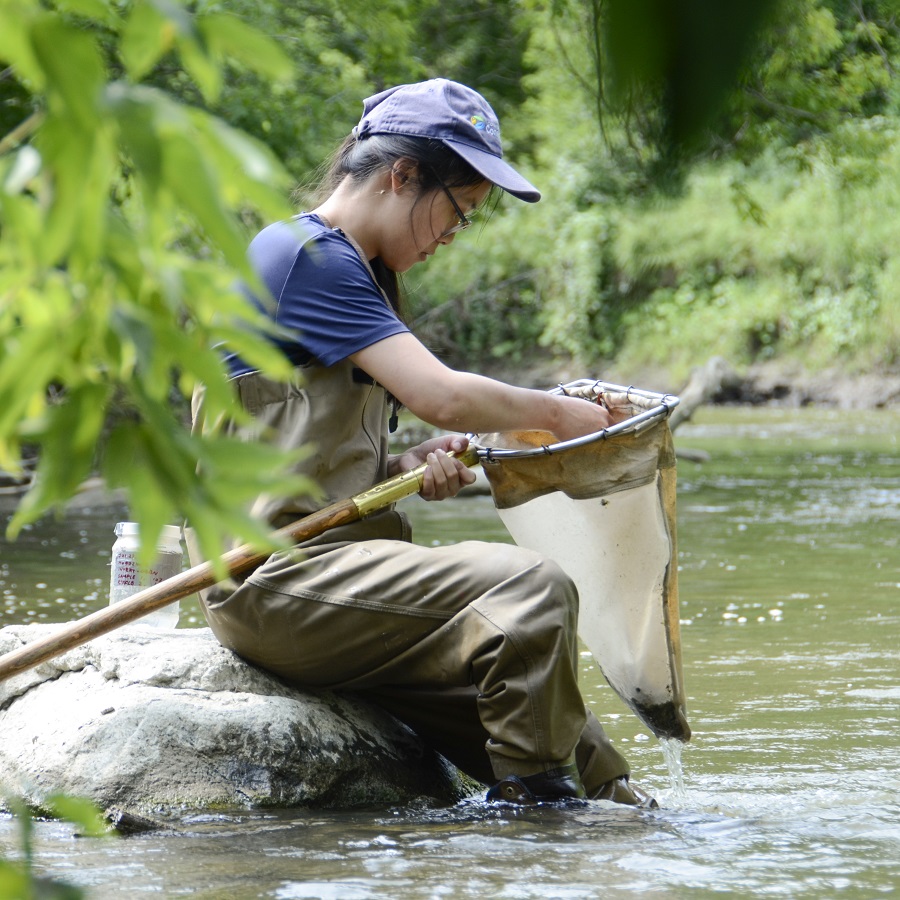
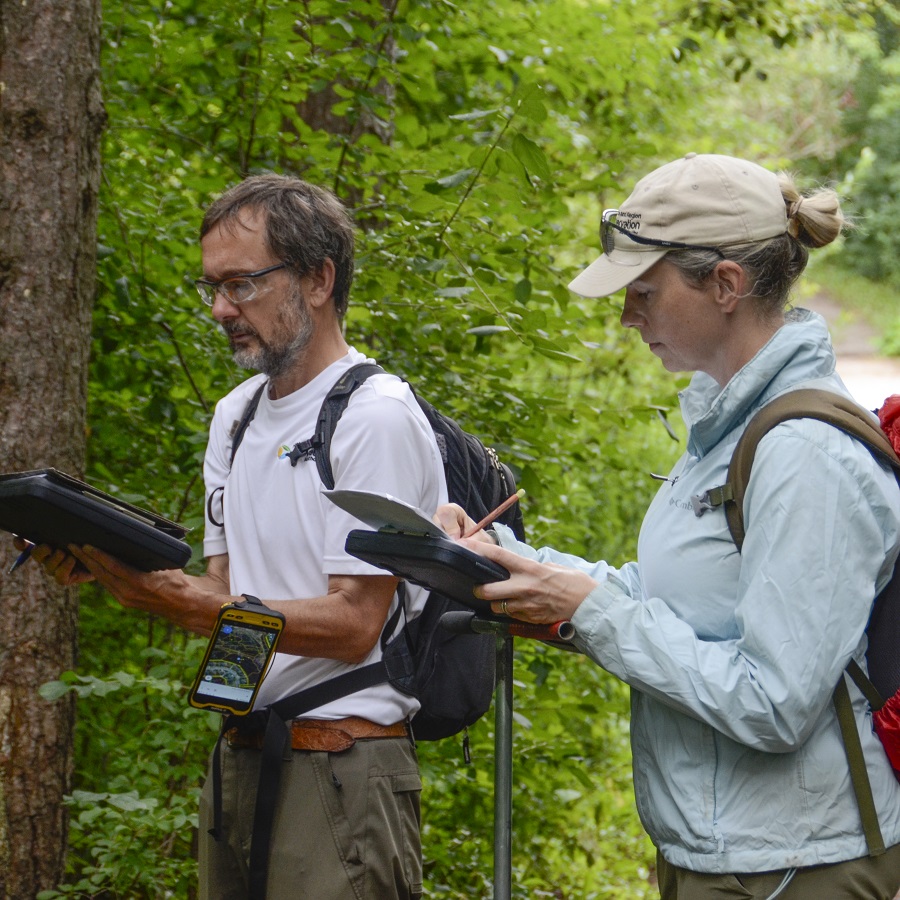
Since 2001, TRCA has collected more than 50 million data records from long-term monitoring sites.
Clean Water Act Celebrates 25 Years
May 2025 marked 25 years since the contamination of the drinking water supply in Walkerton, Ontario, which resulted in seven deaths and 2,300 illnesses. The subsequent Walkerton inquiry led to 121 recommendations that formed the foundation of Ontario’s Drinking Water Source Protection Program (DWSP).
This anniversary was a solemn reminder of the essential link between environmental protection and human health. TRCA recognizes the leadership of the MECP, municipalities, and conservation authorities in advancing Ontario’s drinking water protection framework.


TRCA surface water quality monitoring.
The DWSP program emphasizes prevention by protecting water at its source, whether rivers, lakes, or groundwater, reducing contamination risks and pressure on treatment systems.
Under the Clean Water Act and the Conservation Authorities Act, TRCA supports a multi-barrier approach through land use planning, agricultural best practices, and community engagement. These collective efforts remain essential to ensuring clean, safe, and reliable drinking water.
Shoreline Restoration on Toronto Island’s Lagoon Road
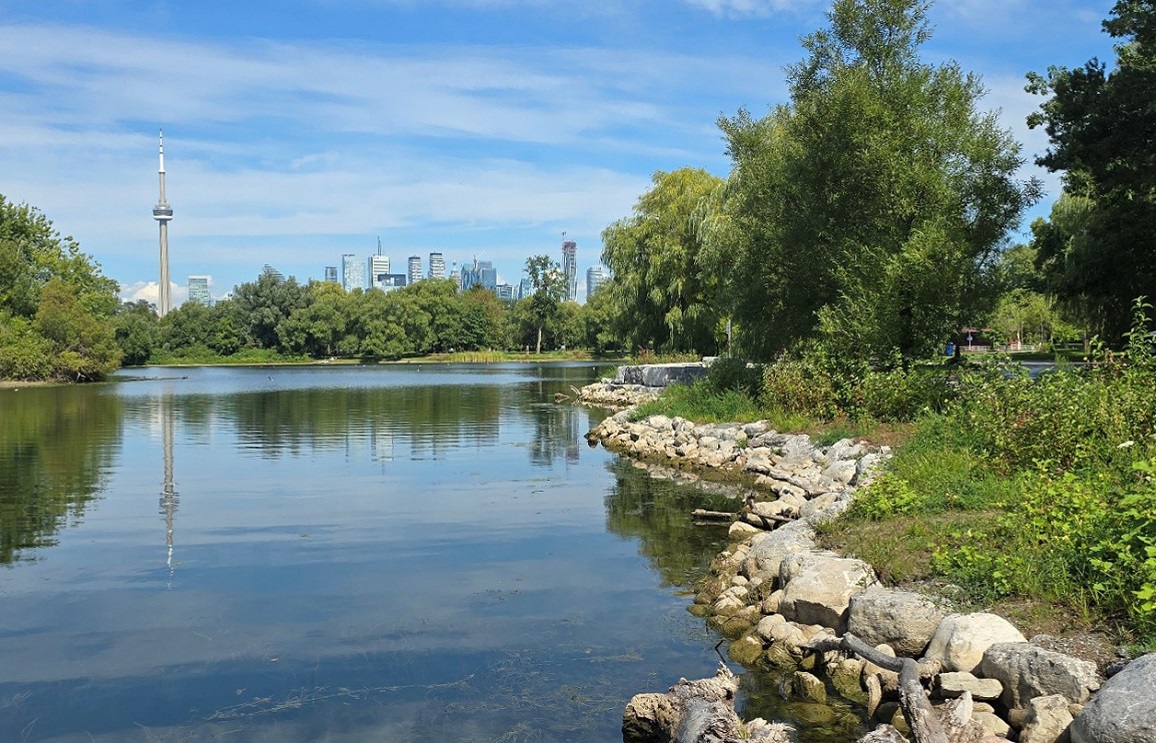
Climate resilience progressed on the Toronto Islands through the Lagoon Road Shoreline Restoration Project, which rehabilitated 110 m of degraded shoreline and enhanced vital fish and wildlife habitat.
Made possible with funding from the Canada Water Agency and the City of Toronto, this project advances the overall 25-year Toronto Island Park Master Plan, and contributes to the goal of delisting of the Toronto and Region Area of Concern.
It’s an honour to partner with the City of Toronto and federal agencies for the protection of sensitive natural areas while strengthening the Island’s ability to withstand erosion, flooding pressures, and growing public use.
1.4 |
Balance development and growth to protect the natural environment ensuring safe sustainable development |
TRCA ensures safe and sustainable development throughout its jurisdiction to protect communities and the natural environment to minimize impacts to greenspace and infrastructure, ensure flood protection and remediation and maximize benefits for communities.
Building Resilient Communities
For nearly seven decades, TRCA has been at the forefront of building resilience across the Toronto region. Through its Development Planning and Permits and Infrastructure Planning and Permits business units, TRCA ensures growth happens safely by protecting people and property from flooding, erosion, and the impacts of a changing climate.
Central to the GTA’s resilience is conservation, particularly the protection of wetlands and valley systems that buffer the effects of extreme weather.
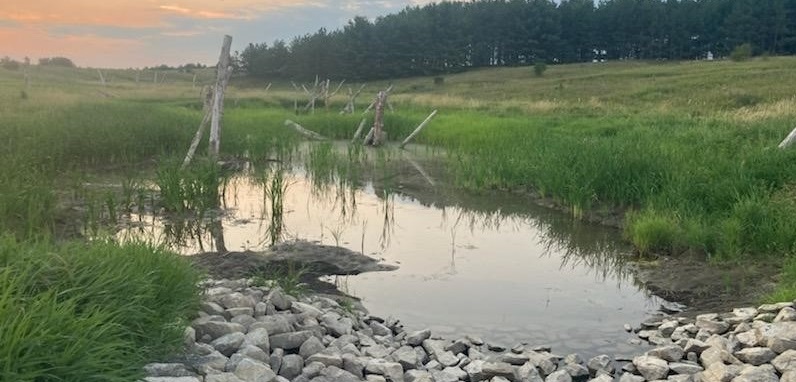
These natural systems limit the creation of new risks to life and property while ensuring development accounts for the realities of climate change in a rapidly urbanizing region. In 2025, TRCA reviewed thousands of development and infrastructure applications and issued 1,199 permits, applying science-based policies and regulations to reduce risk and strengthen community preparedness.
This proactive oversight ensures new development in flood– or erosion-prone areas is avoided, while redevelopment is designed to be sufficiently resilient. Expert-led reviews balance natural processes and community safety with commercial and residential growth.
Collaboration is central to this work. TRCA’s effectiveness lies in anticipating challenges and embedding resilience strategies directly into urban growth, in partnership with all levels of government and industry through our Building Industry and Land Development Association (BILD)-TRCA working group.
Planners, ecologists, engineers, and other professionals with local expertise work to conserve, restore, and enhance natural systems by integrating river valleys, wetlands, and other natural assets into city-building processes.
TRCA recognizes that accommodating water and managing environmental hazards is best achieved through intentional alignment between development and conservation. In doing so, TRCA advances a resilient and adaptive region where communities and natural systems can thrive together, supporting economic growth even as climate conditions continue to change.
Review Role
Through legislative, regulatory, and policy consultations, TRCA reviewed and commented on 29 municipal planning documents, 33 Environmental Registry of Ontario postings, and 4 federal initiatives.
Drawing on implementation experience and scientific expertise, TRCA helped reconcile competing interests, advance shared objectives, and advocate for watershed protection and public safety.
Planning and Permit Applications, Project Permits, Ontario Lands Tribunal
-
- 1,199 permits issued, 88.7% of which met or exceeded minimum mandated timelines
-
- 784 planning and concept applications received
-
- 85 new Environmental Assessment Act and Planning Act applications received
-
- 21 Voluntary Project Review letters issued
-
- Tracked 17 Minister’s Zoning Orders (MZOs) and participated in 29 Ontario Land Tribunal cases, 4 more than in 2024, with 12 of those appeals settled or withdrawn. 9 new appeals requiring TRCA participation were received in 2025
-
- 639 Solicitor Realtor Inquiries were responded to, providing timely information to support land-based decision-making across the region
Implemented and Piloted: TRCA’s Online Application Portal
TRCA’s new Online Application System was used internally to enable fully digital review of all planning, permit, policy, and internal projects. In 2025, more than 3K new applications were reviewed through the Planning Application Review and Enforcement System (PARES) platform developed with our government and industry partners.
Throughout the year, staff refined the system by streamlining workflows, integrating with Bluebeam Studio Prime, and delivering training.
External stakeholders participated in platform testing, while new web content and training materials were developed for both internal and external users.
The public launch of the updated Planning and Permits website and online application portal is planned for early 2026.
The system has been designed to integrate with external platforms, with partnership integration work scheduled to begin in 2026 as TRCA continues to improve efficiency, collaboration, and innovation.
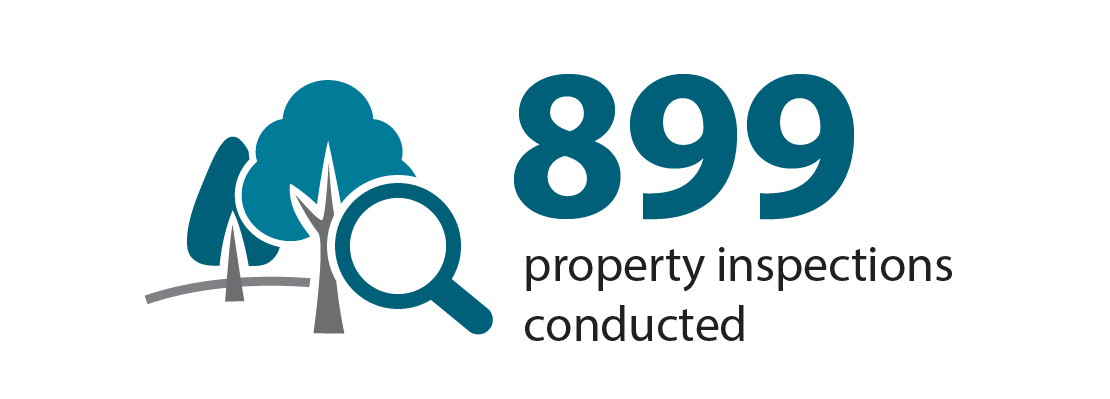
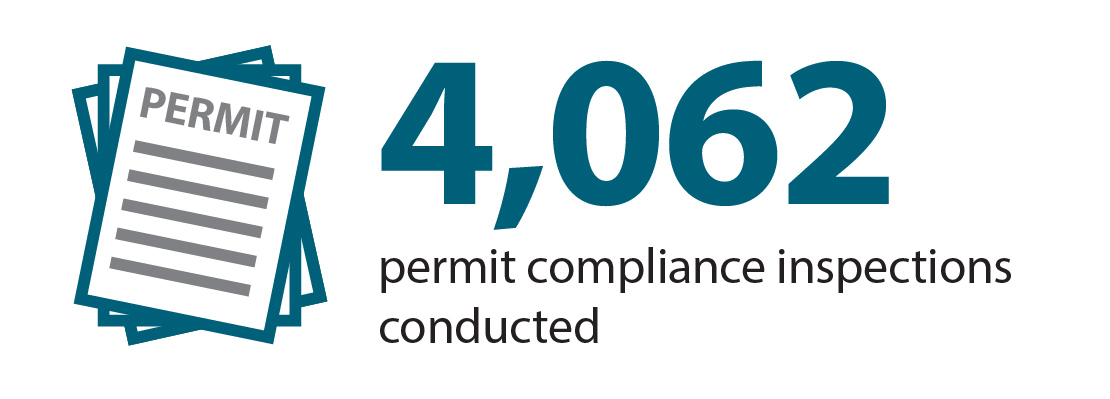
Enforcement and Compliance:
Key Highlights
TRCA carries out valley and stream corridor management, and regulates development and activities within hazardous land such as floodplains, shorelines, or wetlands under the Conservation Authorities Act.



GOAL: Contributing to environmental targets through knowledge advancement
Advancing Resilience Through Knowledge, Innovation, and Partnership

In 2025, TRCA strengthened long-standing collaborations with post-secondary institutions through new Memoranda of Understanding that formalize decades of shared research, training, and knowledge mobilization.
Most notably, TRCA and York University signed an MOU during the opening of TRCA’s new administrative headquarters at 5 Shoreham Drive, marking TRCA’s return to the York University community and reaffirming a relationship rooted in environmental science, community learning, and innovation.
This agreement unlocks new opportunities for joint research on ecology, biodiversity, water resources, and climate change, as well as student training, community engagement, and the use of TRCA lands as living laboratories.
Building on more than 70 years of educational partnerships, TRCA also advanced a landmark collaboration with Earth District, a consortium of five universities and colleges in the eastern GTA.
This partnership focuses on accelerating the adoption of clean technology, advancing climate resilience, and strengthening workforce development.
Early Earth District initiatives, such as the Decarbonizing Buildings: What Is Holding Us Back? forum hosted in partnership with Partners in Project Green (PPG), demonstrate how TRCA convenes academia, industry, and government to advance practical solutions.
2.1 |
Research and development that drives innovation and climate-based solutions |
TRCA demonstrates leadership in sustainability efforts by identifying and developing best-practice and policy for climate change.
GTA Forests are Powerful Allies against Climate Change
The valuation of green infrastructure is critical to building a strong business case for protecting and managing nature. TRCA works with municipal partners and neighbouring conservation authorities to value green infrastructure through two complementary approaches.
The first approach supports asset management planning by valuing both grey assets, such as roads, and green assets, such as forests, based on replacement cost. In 2025, TRCA developed this methodology for Peel and York regions and began applying it to its own green infrastructure assets.
The second approach quantifies the services and benefits provided by nature. A recent TRCA analysis found that forests in the GTA store carbon valued at $51B and absorb emissions equivalent to those produced by 500K cars annually.
This analysis leveraged the recently updated Natural Asset Carbon Assessment Guide and Toolbox, a resource co-developed by TRCA with Credit Valley Conservation (CVC) and Lake Simcoe Region Conservation Authority.
New CSA Standard for Ductwork Airflow Measurement
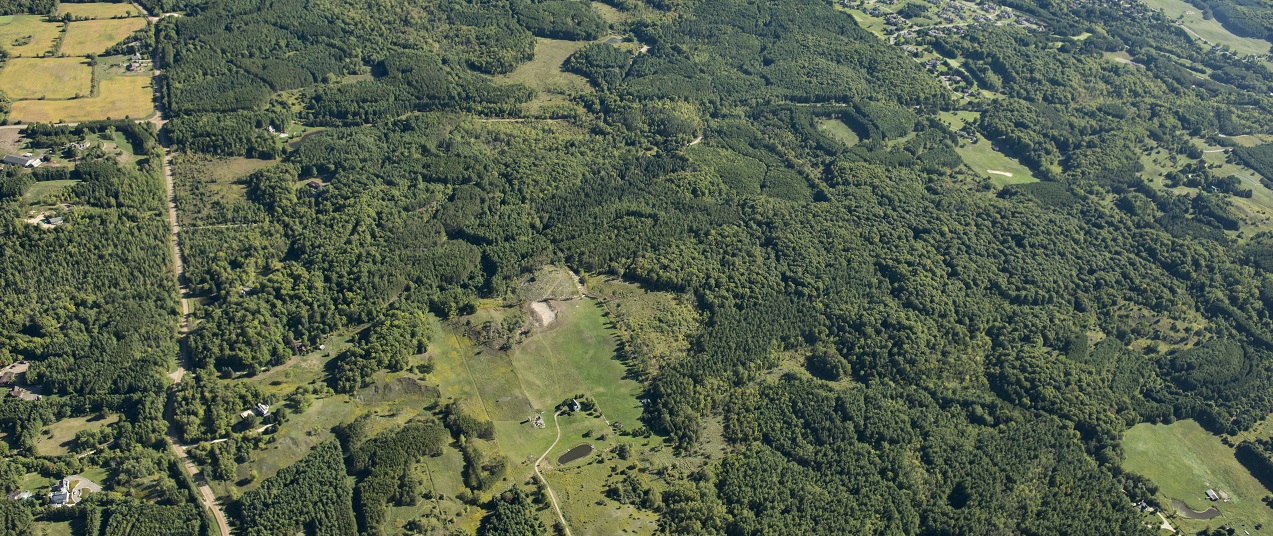
TRCA’s Sustainable Technologies Evaluation Program (STEP) staff co-chaired the Canadian Standards Association (CSA) committee and wrote a new standard (CSA C750) that establishes procedures for measuring airflow and static pressure in residential duct systems.
Launched in late 2025, the standard supports accurate heat pump sizing, reduces performance risks, and enables utility programs to incorporate ductwork assessments into retrofit best practices.
ThermalPoint Tool Launch
With funding from The Atmospheric Fund, TRCA launched the ThermalPoint tool in 2025. ThermalPoint uses real-world gas billing data to help contractors estimate home heat loss and size heat pumps more accurately.
The tool has supported 750 heat pump retrofits across Ontario, and was incorporated into contractor training for the Home Renovation Savings Program delivered by Enbridge and the Independent Electricity System Operator.
Ancient Practice, Modern Adoption: Controlled Burns
Controlled burns are a cost-effective and ecologically important prairie management practice. In 2025, TRCA staff presented at national restoration forums, sharing insights from The Meadoway project that continue to inform best practices across the restoration sector.

New Hub Guides Municipal Stormwater Infrastructure Requirements
A new information hub now supports municipalities in meeting provincial requirements related to stormwater infrastructure approvals.
The Consolidated Linear Infrastructure Environmental Compliance Approvals (CLI-ECA) hub showcases best practices, case studies, and key resources to support municipal oversight of stormwater features such as ponds and green infrastructure.
Advancing Salt Removal through Plants
Building on promising 2024 findings, TRCA and research partners advanced work in 2025 to apply native salt-tolerant plants for road salt remediation.

New field trials led by Queen’s University, TRCA, and the Royal Military College focused on integrating halophytes (salt-loving plants) into road construction practices, developing specialized seed mixes, and exploring opportunities to repurpose harvested plant material.
Making Home Retrofit Calculations Accessible
Through the Toronto Home Energy Network, STEP developed an automated Excel-based tool aligned with the International Performance Measurement and Verification Protocol. The tool enables non-experts to calculate energy savings using pre- and post-retrofit utility data, supporting evidence-based program improvements and community sustainability.
2.2 |
Collaboration to advance a green transition |
TRCA works with business and industry partners to inform sustainability initiatives that drive the adoption of green technologies through engagement.
Jim Tovey Conservation Area – A Landmark Restoration Nears Completion
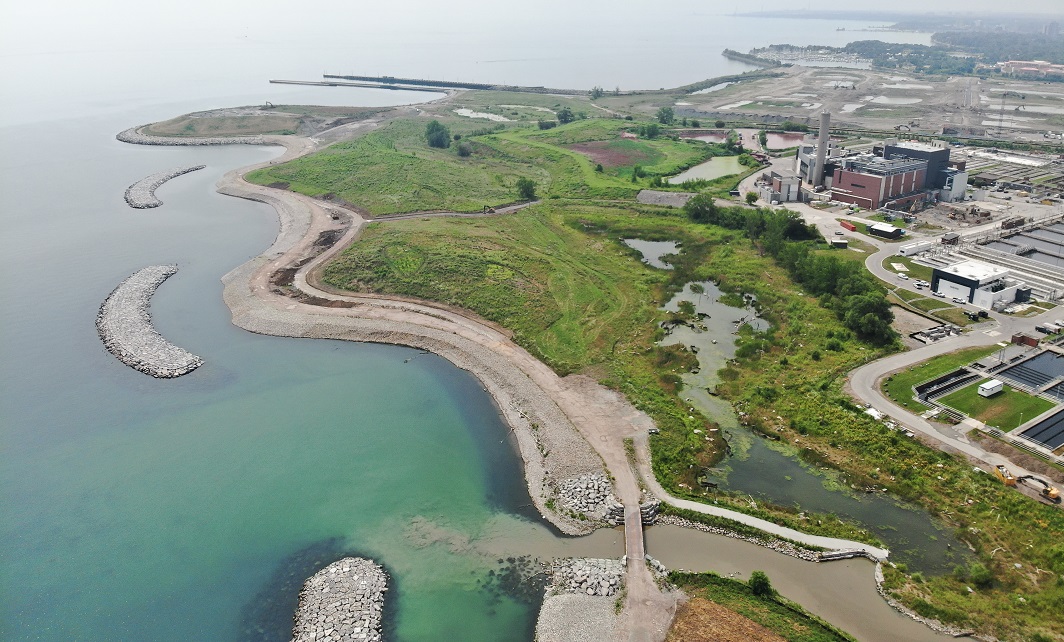
Since 2016, CVC, TRCA, and the City of Mississauga have collaborated to transform the 26 ha Jim Tovey Lakeview Conservation Area, formerly an industrial waterfront, into a thriving, resilient natural space for future generations.
With partner support, TRCA and CVC advanced the final phase of construction in 2025, including the installation of retaining walls, fencing, an armourstone teaching amphitheatre, and the completion of 2.25 km of new trails that expand the Great Lakes Waterfront Trail network.
Beneath the water’s surface and within restored wetlands, crews installed new fish control structures, wetland and terrestrial habitat features, and ecological enhancements that support species recovery and long-term resilience.
These natural systems, though largely unseen, are central to the project’s success and its ability to improve water quality, biodiversity, and shoreline stability.
Even before its scheduled grand opening in May 2026, the Jim Tovey Lakeview Conservation Area has received international recognition. This unique project received the 2025 Regional Award from the Society for Ecological Restoration (SER), a global network of more than 5K members in 130 countries, and was featured at the 11th World Conference on Ecological Restoration.
Sectoral Leadership through Source to Stream
Source to Stream is Canada’s premier stormwater and erosion and sediment control conference, hosted by TRCA, CVC, and Lake Simcoe Region Conservation Authority.
In 2025, the event welcomed more than 870 delegates, and featured talks from 62 expert speakers. This included a keynote from Laurian Farrell, Deputy Commissioner of New York City’s Bureau of Coastal Resilience, and a former TRCA team member. Farrell offered a behind-the-scenes look at one of the world’s most complex water management systems, providing firsthand insights into how a global city is adapting to intensifying climate risks.
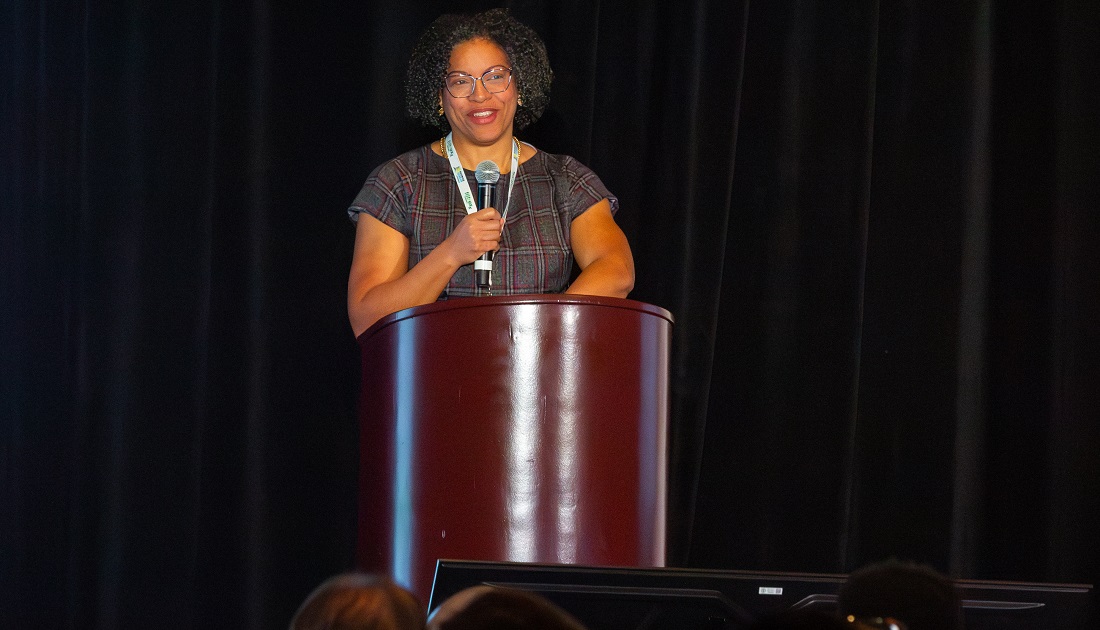
This keynote set the stage for additional presentations on climate adaptation and resilience, including Gilles Rivard’s talk on sponge parks in Montreal, and a joint presentation by Emma Haug-Kindellan and Kristopher Robinson of CVC, who shared the latest on the Risk and Return on Investment Tool. This tool helps municipalities, property owners, investors and watershed agencies better manage flood-related risks.
Canada-Wide Contractor Heat Pump Training
For Natural Resources Canada (NRCan), STEP developed a half-day course on NRCan’s Air Source Heat Pump Sizing and Selection Web App. The training covers heat pump best practices and provides hands-on instruction for contractors or energy advisors using the App in retrofit projects. Designed to support consistent, high-quality installations, this course is positioned to integrate with energy efficiency programs across Canada.
Advancing Affordability Through Smarter, Low-Carbon Home Heating Knowledge
The Clean Home Heating Initiative (CHHI) advanced in 2025 with technical expertise provided by TRCA and STEP. By completing measurement and verification activities for Phase II, TRCA generated data and insights to assess whether conservation-based solutions can also help ease household affordability pressures.
Administered by Enbridge and funded by the Province of Ontario, the initiative deployed smart-switching hybrid heating systems that pair a traditional furnace with an air-source heat pump. A built-in controller automatically selects the lowest-cost heating source, helping residents reduce energy use and monthly bills.
Using utility data from approximately 750 participating homes, TRCA conducted rigorous analysis under the International Performance Measurement and Verification Protocol. The findings provide evidence to inform cost- and energy-saving strategies and will help guide the design of future low-carbon heating programs that support both climate goals and household affordability.
Innovation Trail Tours
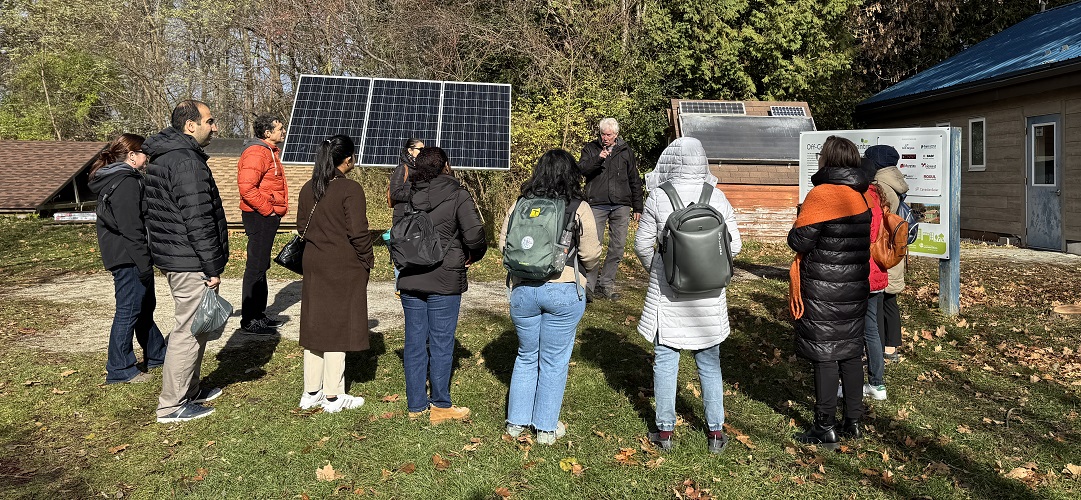
The Innovation Trail at Kortright Centre for Conservation is Canada’s largest educational demonstration of renewable energy and energy efficient technologies. Together with the Living Labs, these initiatives continued to attract a diverse audience, creating opportunities for the public, professionals, and students, from grade school to PhD candidates, to explore sustainable technologies. Both long-standing partners and new participants took part, including:
-
- Pre-trades training groups and the Hammer Heads program, sponsored by the Central Ontario Building Trades, which engaged youth preparing for careers in construction
-
- An international delegation from Korea’s Ministry of Energy
-
- MPP Rudy Cuzzetto, Parliamentary Assistant to the Minister of Energy and Mines
Supporting Green Changemakers
PPG is a network of more than 86 organizations advancing sustainability across sectors.
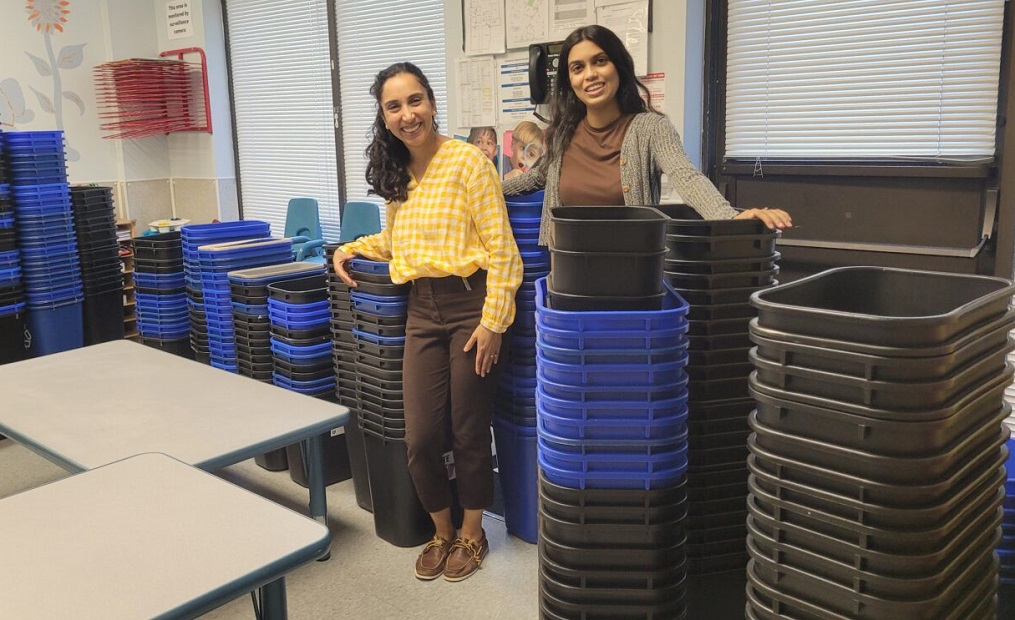
Through PPG’s Materials Exchange program, partners held 34 unique exchanges this year, diverting nearly 13 tonnes of material from landfill and avoiding 1.08 tCO₂e. This resulted in more than $407K in cost savings by reducing the need to purchase new items.
In 2025, PPG hosted its Annual Forum, Stories that Matter: Building Buy-in for a Sustainable Future, welcoming more than 120 sustainability professionals from the Greater Toronto Area. The event emphasized storytelling as a tool to engage stakeholders and inspire action on environmental and social issues.
Through site assessment programs with the City of Brampton and Town of Caledon, PPG supported 15 businesses in identifying a total of 49 energy efficiency projects and 115 flood and heat risk opportunities. These initiatives have the potential to reduce greenhouse gas emissions by approximately 3K tonnes annually and save an estimated $435K in costs, demonstrating the link between environmental action and economic benefits.
PPG also advanced research on plastic pollution through the Toronto Inner Harbour Floatables Strategy, in partnership with the University of Toronto Trash Team, with 2 studies focused on wet wipes and polystyrene foam from construction sites. Findings revealed that wet wipes account for approximately 25% of plastic litter in the Don River, prompting recommendations for labelling and bans on plastic wipes. At construction sites, storm drain filters diverted thousands of foam pieces and cigarette butts, reducing pollution entering into Lake Ontario.
2.3 |
Advocacy and adaptability in the face of policy pressures |
TRCA remains committed to providing stakeholders with the best available science-based information to inform and guide external policy initiatives.
Advancing Climate Science and Resilience Planning
TRCA’s Climate Science and Adaptation Program mobilizes the best available science to strengthen TRCA’s and our partners’ ability to prepare for climate change impacts. In 2025, TRCA delivered data for 123 climate variables for York Region and the City of Toronto, providing locally relevant, future-informed datasets to support decision-making.
In partnership with Peel Region and CVC, TRCA also advanced updated Intensity-Duration-Frequency curves for Peel, a critical tool for integrating climate change into infrastructure design.
Using advanced modelling, TRCA assessed the impact of wetland restoration on erosion mitigation at 4 restored sites, demonstrating the role wetlands play in influencing site hydrology.
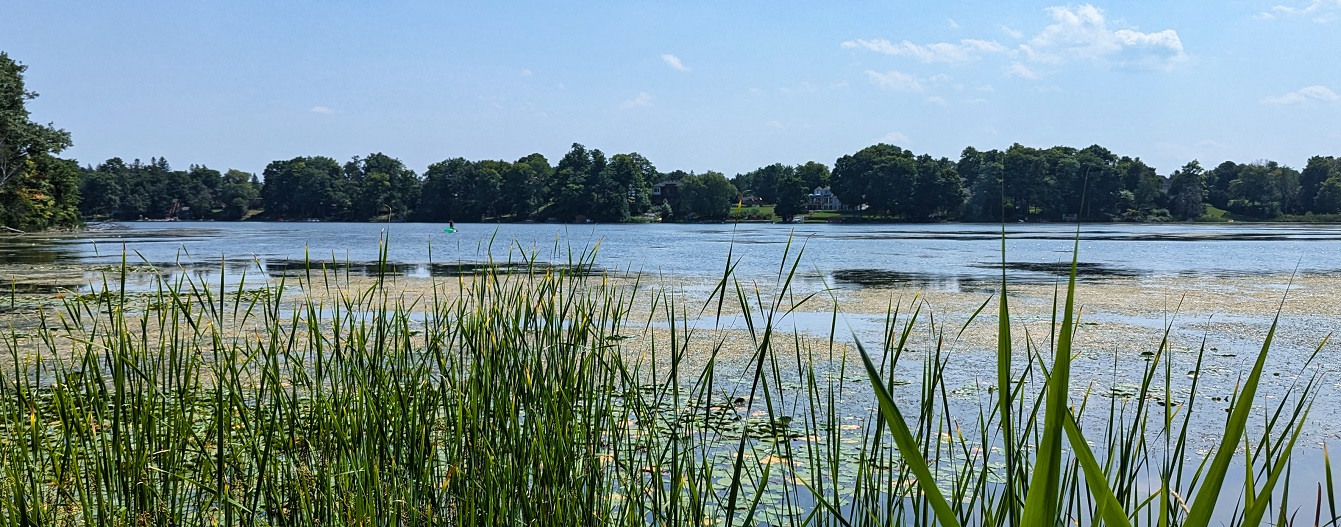
Climate considerations were also integrated across watershed-scale water quality and quantity analyses to strengthen climate-informed water resources planning.
To support stormwater and flood mitigation, 2 new methodologies were developed: a flood-damage-reduction-based low-impact development (LID) prioritization approach, and spatially distributed retention targets that reflect local soil conditions.
In collaboration with PPG, TRCA completed two site-level LID retrofit assessments, providing conceptual designs and high-level cost estimates.
Beyond TRCA, staff contributed to national efforts, including the development of 3 National Standards and Technical Specifications focused on nature-based solutions.
These technical efforts were supported by extensive knowledge mobilization, equipping partners with data, tools, and guidance to support more resilient infrastructure, communities, and watersheds.
Legislative Changes Proposed
In November 2025, the Province passed Bill 68, Plan to Protect Ontario Act (Budget Measures), 2025 (No. 2), which includes amendments to the Conservation Authorities Act (refer to Schedule 3 of Bill 68) to enable the creation of the Ontario Provincial Conservation Agency (OPCA).
The government intends for the OPCA to provide centralized leadership and oversight of conservation authorities (CAs) and to have the power to issue directives to CAs.
In addition, MECP began consultations through the Environmental Registry of Ontario (ERO 025-1257) on revised boundaries of a watershed-based consolidation of the 36 conservation authorities in the Province. TRCA attended provincial consultations and provided a detailed submission to MECP while supporting our municipal partners on their submissions.
Retrofit Research Informs Decarbonization Solutions
Multi-unit residential building (MURB) complexes are common across Canada’s urban areas and present both challenges and opportunities for improving energy efficiency and reducing emissions.
At the request of building operators, STEP completed two years of performance analysis on a large air-to-water heat pump retrofit at French Quarters Shared Facilities (FQSF), a multi-unit residential complex in Toronto.
The retrofit replaced an end-of-life chiller with 2 heat pumps that now provide all cooling and approximately 75% of the building’s heating demand, resulting in significant carbon emission reductions.

TRCA experts installed instrumentation and monitored system performance to develop evidence-based recommendations through this comprehensive study. The findings address a key knowledge gap and help de-risk scalable decarbonization pathways for boiler-heated MURBs, one of the most common building configurations across Canada.
Greater Golden Horseshoe Conservation Authority Collaborative
In 2025, TRCA supported the Greater Golden Horseshoe Conservation Authority Collaborative, a regional project focused on building capacity to help municipal partners implement, operate, and maintain both innovative and conventional stormwater infrastructure, including green infrastructure, and share best practices among conservation authorities.
The effort on stormwater asset management is led by representatives from STEP, and enables conservation authorities to share knowledge, align approaches, and improve the consistency of technical guidance provided to municipalities.
This collaboration is particularly timely as municipalities respond to new provincial requirements related to stormwater asset management.
Central to the initiative was the development and delivery of 2 field-based training events for conservation authority staff, attended by 55 participants from 9 different authorities.
Nature’s Resilience on Full Display in 2025
TRCA’s science and monitoring work revealed powerful signs of ecological resilience across our watersheds. Among the most compelling wildlife discoveries was the detection of Brook Trout in new locations across three watersheds, including one of the largest individuals recorded in the program’s 25-year history.
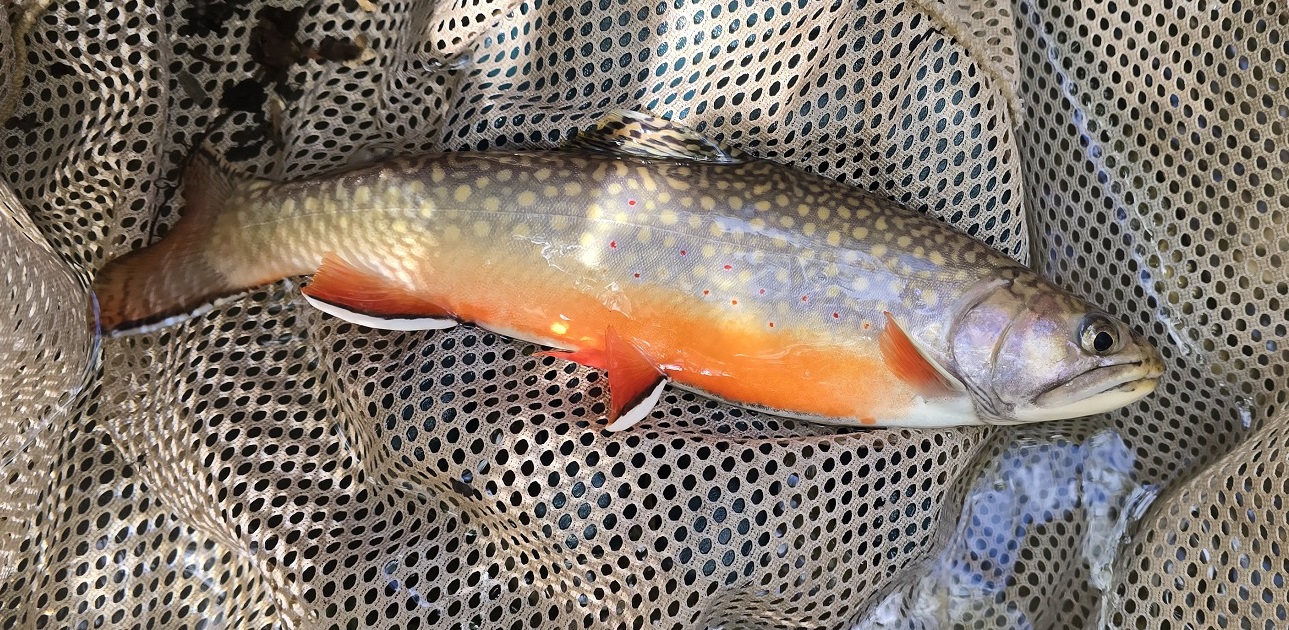
As a sensitive cold-water species increasingly threatened by climate change and urban pressures, their continued presence demonstrates the critical importance of protecting cold, clean headwaters and investing in long-term habitat restoration.
Equally striking were the findings in our vegetation surveys, including the rediscovery of Black Oak and Ghost Pipe in a tucked-away ravine near downtown Toronto, a reminder that rare and ecologically valuable plant communities can persist even in the heart of an urban landscape.
These discoveries underscore the value of strategic land protection, thoughtful planning, and science-based decision-making in maintaining biodiversity where millions of people live, work, and enjoy recreational activities.
The presence of these species also demonstrate that our partner support and TRCA’s sustained investment in monitoring, restoration, and conservation continues to safeguard ecosystem health across the region, delivering cleaner water, stronger natural systems, and more resilient communities for the future.
Road Ecology Opportunities Benefit Biodiversity
New research co-led by TRCA researchers modelled habitat connectivity for six wildlife groups under projected urban expansion across the jurisdiction.
The study compared three restoration strategies: no intervention, fewer but larger natural areas, and multiple smaller natural areas. Results showed that urban growth significantly fragments movement corridors, increasing mortality risk and reducing species dispersal. View the study.
Spatially distributed habitat restoration, which adds numerous small and connected habitat patches, was the most effective approach for maintaining functional connectivity across taxa, outperforming the fewer larger areas strategy.
These model predictions were validated using empirical data, confirming the robustness of the findings. The research also helps identify priority movement corridors that may benefit from mitigation infrastructure such as fencing and ecopassages.
2.4 |
Integrate environmental considerations and science into decision-making |
TRCA provides partner municipalities with industry-leading science.
Regulated Area Search Tool
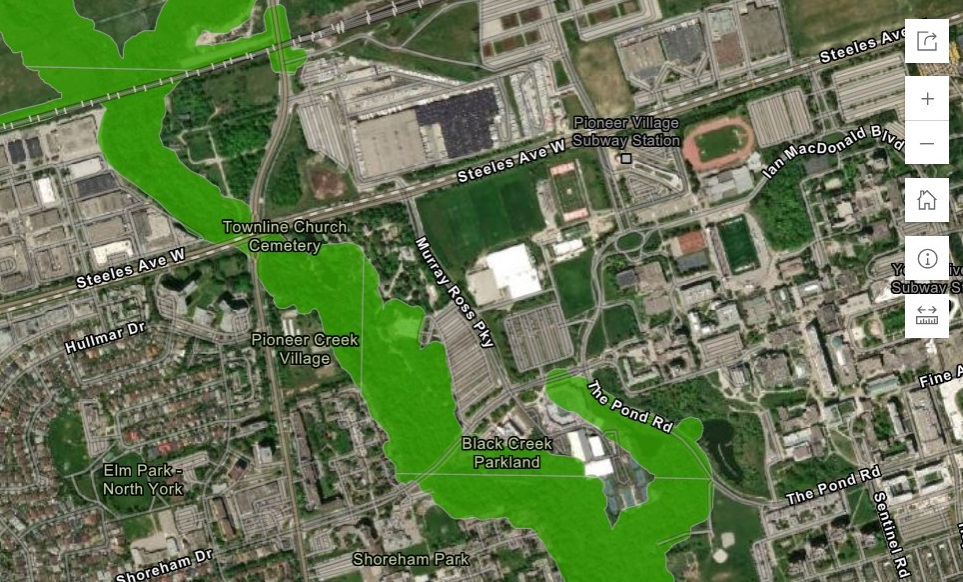
TRCA’s Regulated Area Search Tool enables homeowners and property owners to quickly determine whether a property is located within a regulated area.
This tool has become one of TRCA’s most-used online resources, attracting 51K views in 2025 and accounting for 39% of all Planning and Development webpage visits.
Municipal Stormwater Inspection and Maintenance Training
Sustainable Technologies Evaluation Program (STEP) instructors delivered 3 field training events and 2 virtual workshops to municipalities in 2025 that focused on the inspection and maintenance of stormwater infrastructure. More than 300 participants attended the field training events, held in Brampton, Kitchener, and Vaughan, and more than 200 joined the virtual workshops.
This training program, funded by a grant from MECP, guides Ontario municipal staff on inspection, maintenance, and monitoring of their stormwater assets in accordance with recent changes to the provincial framework for approvals.
Toronto Green Infrastructure
A new partnership with the City of Toronto’s Green Streets and Engineering and Construction Services teams supports the effective implementation, inspection, and monitoring of green infrastructure (GI) projects across the city.
In addition to monitoring and testing bioretention systems, permeable pavement installations, and stormwater tree trench sites, STEP delivered green infrastructure construction training to 50 City staff and consultants involved in project delivery.
In December 2025, STEP collaborated with Green Streets to co-deliver a presentation on permeable pavement research to the Urban Flooding Network. The Urban Flooding Network is an initiative of the C40 Cities network, a global collaboration of nearly 100 mayors focused on addressing climate change and strengthening urban resilience.
Road Right-of-way Infrastructure Support in Peel
STEP continues to support Peel Region in the review and inspection of its road right-of-way stormwater management features at the design, construction, and project acceptance stages, followed by routine annual inspections.
These inspection and monitoring activities at select sites help identify when repairs and maintenance are required and support Peel’s efforts to maintain stormwater infrastructure assets in a state of good repair.
STEP also delivers on-site training to Peel inspectors, strengthening internal capacity and supporting consistent inspection practices.

GOAL: Building communities that drive local action and improve well-being
Rooted in Resilience, Growing Community Prosperity
From its earliest days, TRCA’s purpose has been rooted in a simple but powerful idea: community prosperity depends on resilience – on caring for land, water, and people as an interconnected whole.
Few embodied this more fully than Charles Sauriol, a naturalist, writer, and lifelong champion of Toronto’s ravines whose devotion to preserving “green footprints” across the region guided some of TRCA’s earliest land acquisitions.
That foundational work became even more urgent after Hurricane Hazel reshaped the region’s understanding of risk, resilience, and collective responsibility.

Through the 1950s and 1960s, the former Metropolitan Toronto and Region Conservation Authority safeguarded valley and ravine lands that today form the backbone of a world-renowned natural system, creating the conditions for healthy, safe, and connected communities.
That legacy continued through decades of collaboration with partners at every level of government on one of the most ambitious resilience-building undertakings in the region’s history: the revitalization of the Mouth of the Don River.
TRCA played an essential role in consultation, planning, permitting, design, and technical expertise, helping shepherd the vision from concept to reality, most notably by advancing the original environmental assessment, which set the stage for the realization of this project.
In 2025, the Don River flowed through its restored, naturalized pathway for the first full year, a historic achievement in flood protection, habitat restoration, and climate resilience.
The opening of Biidaasige Park, Toronto’s largest new public space in a generation, further demonstrated the value of this work.
TRCA supported the City of Toronto and Waterfront Toronto through ongoing monitoring and dredging work, tours, interpretive programming, and a winter solstice hike that welcomed residents to its newest natural area.
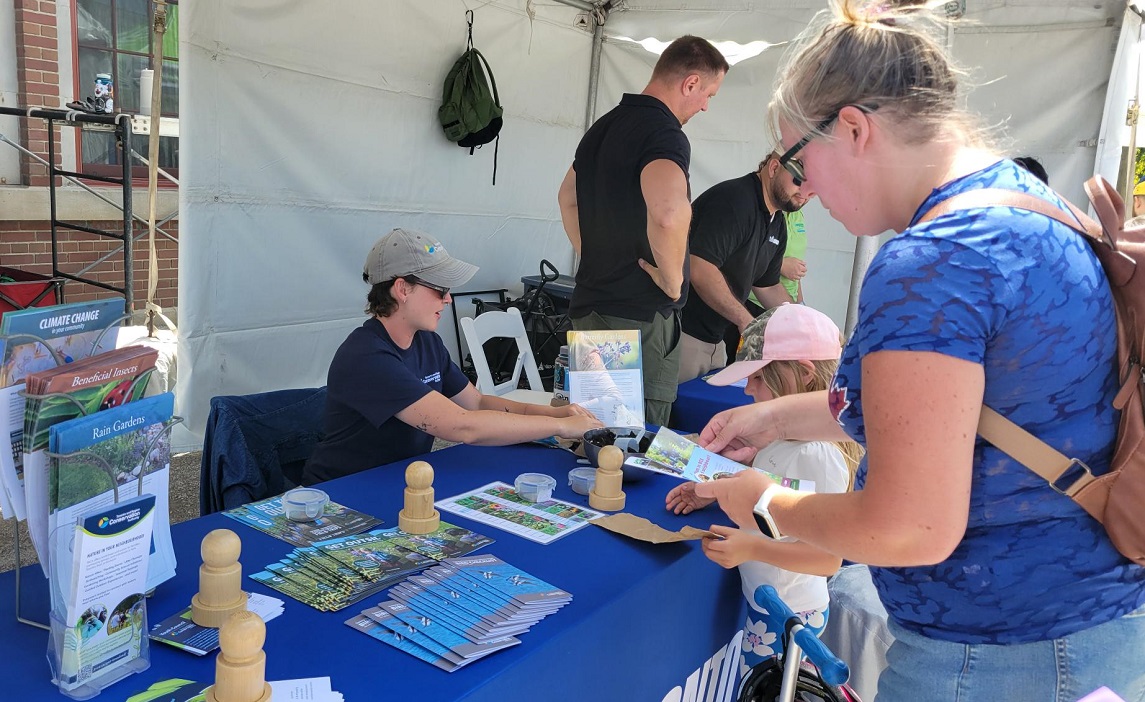
Today, this part of the city stands as a powerful example of what community prosperity requires.
Formerly derelict and contaminated lands now support sustainable, resilient neighbourhoods, creating space for housing and employment while restoring habitats and improving public safety.
As final plantings take hold, these places increasingly belong to the communities and wildlife that animate them.
In this transformation, where risk management, regional expertise, and shared purpose align, the legacy envisioned by Charles Sauriol and the Task Force to Bring Back the Don continues, strengthening communities through the landscapes around them and reinforcing the idea that resilience is the pathway through which prosperity grows across the region.
3.1 |
Connect communities to nature and greenspace |
TRCA ensures that the public has access to accessible outdoor recreation and programming.
Communities and Greenspace: Key Highlights
In 2025, TRCA greenspaces welcomed 860K visitors, with each experience promoting health, connection, and joy in the natural spaces that anchor our communities.
Whether used for exercise, recreation, commuting, or connecting with nature, trails provide essential opportunities for residents across the region. Trail usage was maintained across 8 benchmarked sites in 2025.
Within the City of Toronto counter program alone, 260K visitors were recorded using TRCA and City of Toronto trails, highlighting the important role trails play in supporting health and well-being.
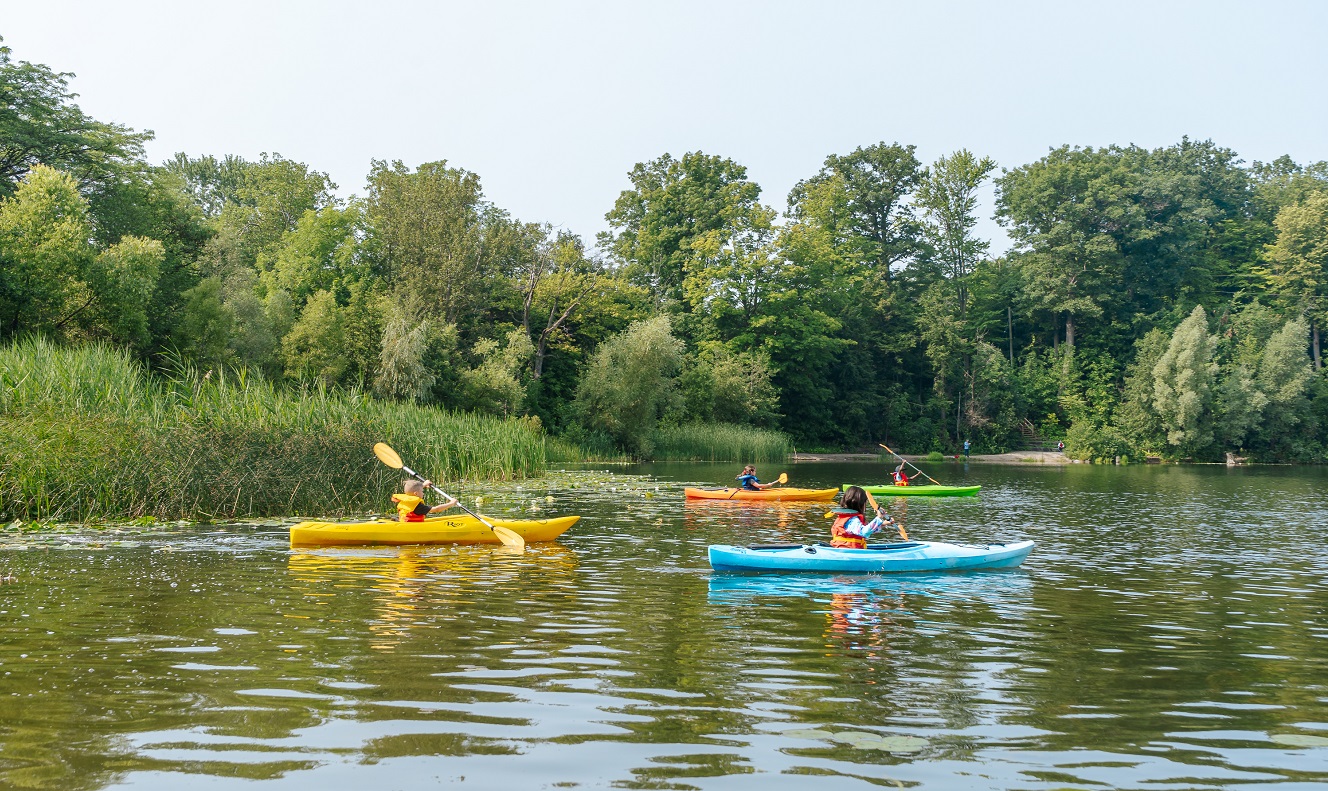
Growing Connectivity Through Trail Strategy Advancements
In 2025, 25 trail projects advanced through planning, design, and construction phases in collaboration with partner municipalities, including:
- 7.12 km of newly constructed trails, including the Palgrave Forest and Wildlife Area switchback and at Jim Tovey Lakeview Conservation Area
- 5.9 km of trail enhancements at Albion Hills Conservation Park, Bolton Resource Management Tract, Oak Ridges Corridor Conservation Reserve, and several City of Toronto greenspaces
- Improvements to parking lots and other amenity features at 2 sites
Each new connection advances TRCA’s Trail Strategy for the Greater Toronto Region, strengthening links between the Greenbelt, local greenspaces, and the Lake Ontario shoreline.
A cohesive trail network supports community health and well-being, provides transportation alternatives, and contributes to the region’s appeal as a destination for tourism and growth.
Additionally, with the support of community partners, 579 km of existing TRCA trails are maintained annually.
New Tunnel and Bridge Infrastructure Complete for the East Don Trail
Beyond their recreational value, urban trails are a critical component of sustainable transportation networks that help reduce congestion and provide viable commuter options.
In 2025, the East Don Trail reached a major milestone with the completion of a tunnel beneath the railway line, removing the final barrier along the route.
This complex project required coordinated rail work and round-the-clock construction to complete the tunnel installation and reinstate railway tracks ahead of scheduled train service.
This work was preceded by the installation of several new corten steel bridge structures across the Don River. Final paving and the official trail opening are anticipated in spring 2026.
TRCA is proud to collaborate with the City of Toronto and Metrolinx on the design and construction of this multi-use trail system within the East Don Corridor, connecting the north end of Charles Sauriol Conservation Area with the Lower Don Trail System and Gatineau Corridor Meadoway Trail.
Brimley Road South Trail Groundbreaking
A well-attended October groundbreaking ceremony marked the beginning of construction of a TRCA-led multi-year effort to advance the Brimley Road South Multi-Use Trail.
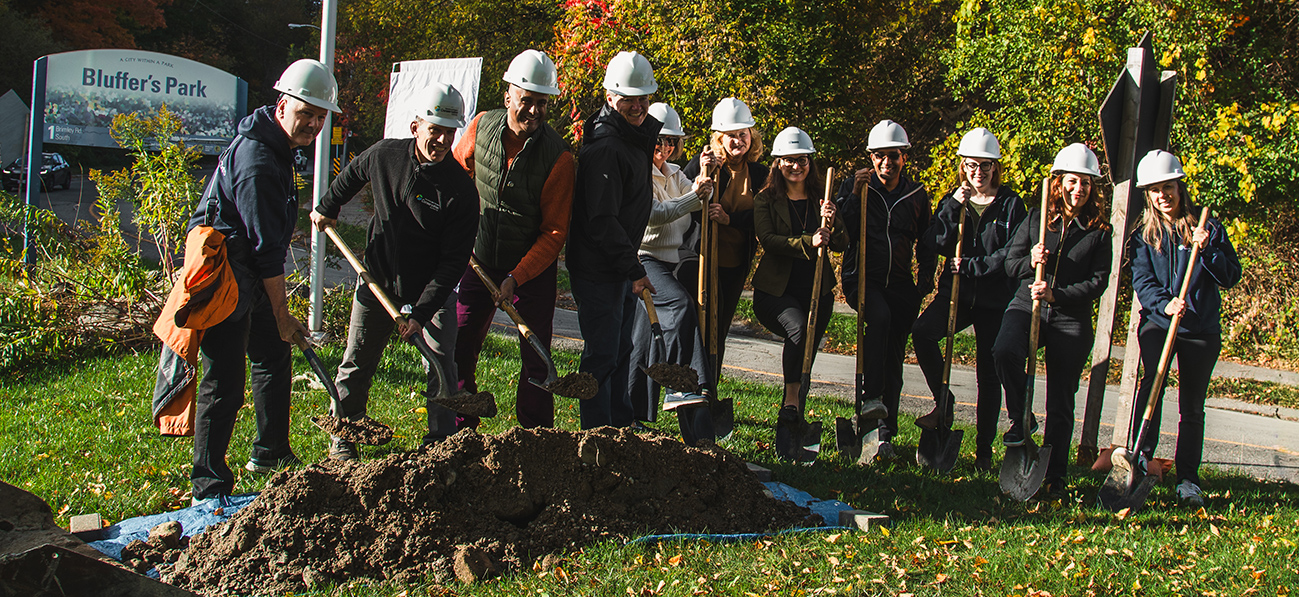
In partnership with the City of Toronto, this initiative is the first phase of the wider Scarborough Waterfront Project, which will realize a system of public greenspaces along the Lake Ontario shoreline between Bluffer’s Park and East Point Park.
In addition to increased safety and accessibility for all modes of travel, the project will encourage active transportation and an enhanced waterfront experience while protecting the sensitive natural environment.
Glen Haffy Master Plan
TRCA owns and stewards 512 ha across 4 properties within a special part of the Town of Caledon and the Town of Mono called the Niagara Escarpment Parks and Open Space System (NEPOSS).
These parcels are also located where the Niagara Escarpment, a designated UNESCO World Biosphere Reserve, and the Oak Ridges Moraine meet, providing a vital and dynamic part of the connected Greenbelt.
Obtaining Indigenous, partner, and public feedback is a critical part of the management planning process, to ensure all views are considered for long term operations and uses.
Building on the management plan’s initiation in 2022, TRCA completed the draft background report this year, hosted an online survey, and held the first of two public engagement sessions. Next steps include review and approval of the final plan’s guidance to protect, conserve, restore, and enjoy this unique geography.
The Meadoway Continues to Marvel
Among many 2025 milestones, the completion of a new 1.4 km segment of multi-use trail in Scarborough marked a major step toward creating sustainable and connected greenspaces as part of the longstanding Meadoway project.
Signature public realm enhancements in Highland Creek moved forward, with planning underway for future seating to be rolled out throughout the corridor. Planning and design of new trail linkages was advanced in Section 6 near Ellesmere Ravine and in partnership with University of Toronto Scarborough campus, which will enhance neighbourhood connectivity and access to community destinations through the broadened network of routes.
Support from the Weston Family Foundation, the City of Toronto, and federal government, including Parks Canada, allowed TRCA to maintain momentum on project implementation. The finalization of The Meadoway Sponsorship Strategy and a draft Master Service Agreement with the City of Toronto to guide long-term management of the corridor also helped to advance long-term sustainability.
On-the-ground restoration efforts focused on invasive species management and maintaining the now well-established meadow habitat. Expanded research continues to bridge restoration science and real world implementation through an update to the Restoration Manual: A Blueprint for Naturalizing Infrastructure Corridors, re-released in the fall.
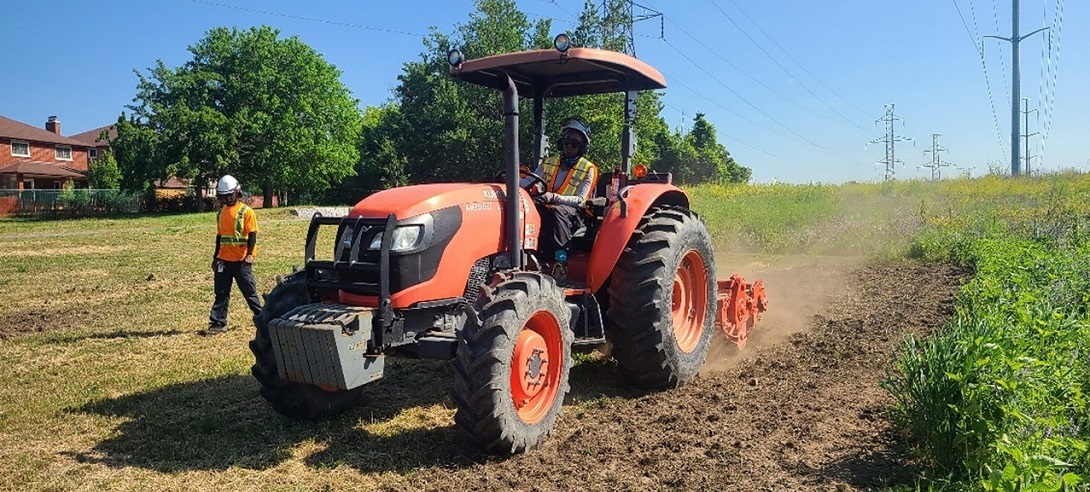
Community engagement grew through new partnerships, including with Scarborough Cycles and Scarborough Environmental Alliance as well as through newly participating schools.
Collaborative community outreach events continued with longstanding partnerships, and The Meadoway Ambassador Program volunteer base tripled in its second year.
Enhanced communications and media coverage broadened public awareness, setting the stage for continued momentum in 2026.
3.2 |
A culture of diversity, equity and inclusion contributing to community well-being |
TRCA demonstrates that innovative land management leads to more accessible and inclusive communities.
Honouring Legacy, Creating Space
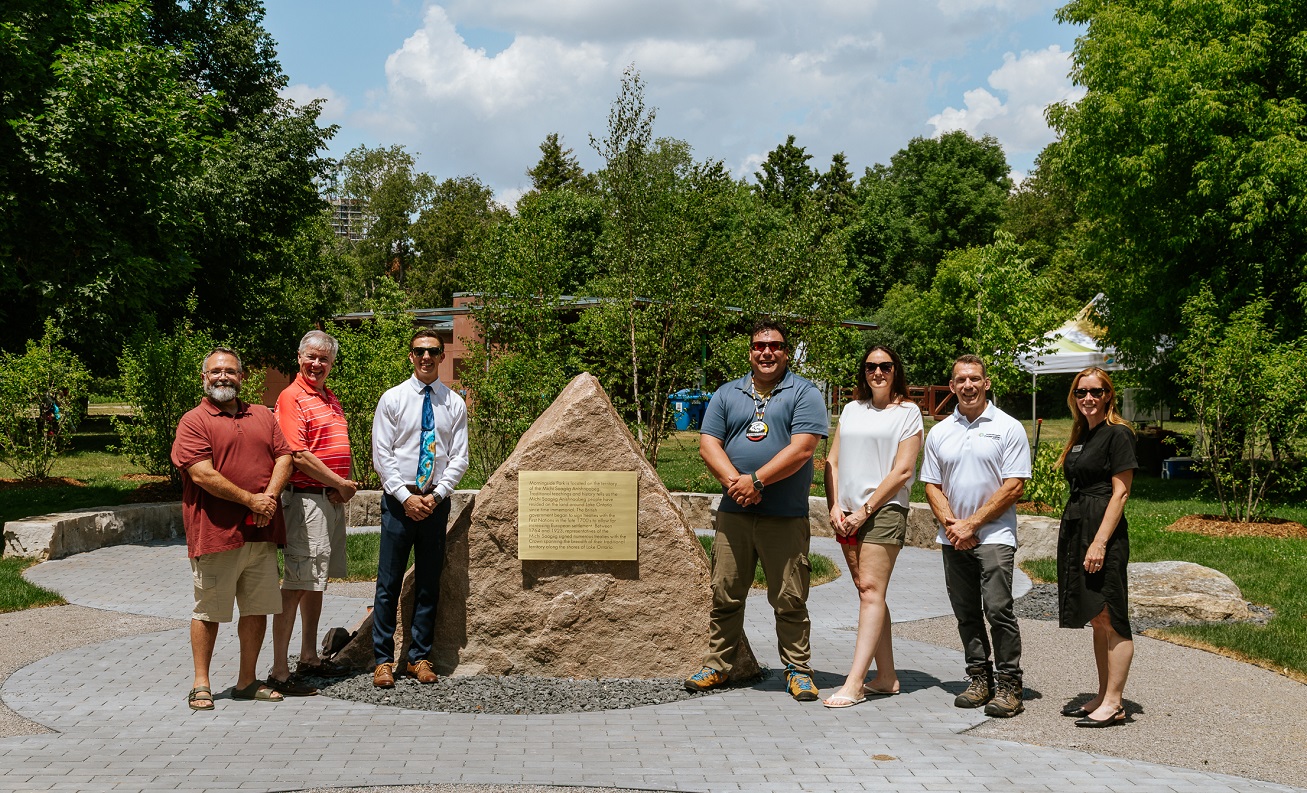
TRCA unveiled a new Indigenous Gathering Space at Morningside Park as part of the Morningside Legacy Project, created in close collaboration with the Williams Treaties First Nations and supported by TD Bank Group.
Opened during National Indigenous History Month, this initial installation restores Indigenous presence in one of Toronto’s largest ravine parks, providing a culturally informed space for ceremony, storytelling, and shared learning.
This gathering space, centred around a granite treaty marker, is the first of five planned installations that will bring Indigenous culture and history to the forefront of public space.
Newcomer Programs Support New Canadians
-
- TRCA’s Multicultural Connections Program engaged 4K people through presentations, cultural events, and outdoor programming.
-
- The Newcomer Youth Green Economy Project (NYGEP) supported 62 newcomer youth in green sector employment readiness, providing in-class learning, coaching, and field trips, and earned another cycle of funding from the Ministry of Immigration, Refugees, and Citizenship.
Supporting Projects, Regional Knowledge, and a Respectful Reputation
TRCA’s licensed archaeologists completed 34 assessments across 53 ha, advancing internal and partner projects while upholding legislated responsibilities. These assessments honour the enduring heritage of the Anishnaabe, Haudenosaunee, and Huron-Wendat nations, ensuring that projects on TRCA lands across our jurisdiction continue with respect, care, and cultural understanding.
Able to Explore: Advancing Accessibility and Inclusion in Nature-Based Programs
With support from the Ontario government’s EnAbling Change Program, TRCA’s Able to Explore project focused on reducing barriers to participation in nature-based programs for seniors, neurodivergent individuals, and people with developmental disabilities. Community Living Central York and Community Home Assistance to Seniors provided guidance on inclusive program design and delivery.
Nearly 200 TRCA staff received training on topics including autism awareness, reframing disability, and job shadowing accessible outdoor programs.
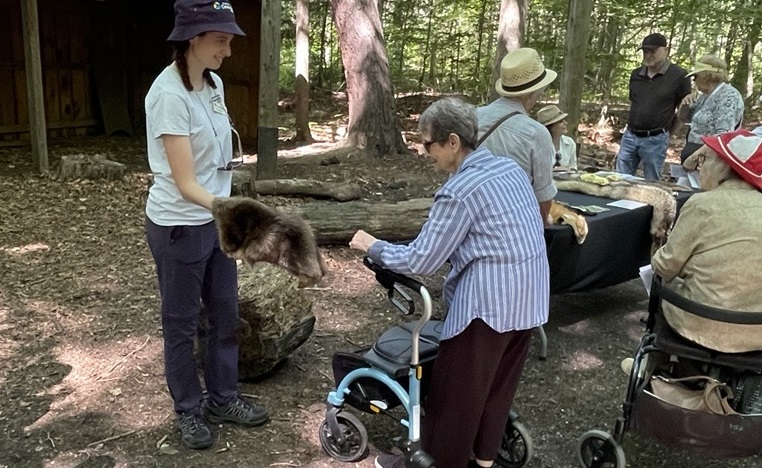
As part of the project, TRCA developed Accessibility & Inclusion Guidelines for Nature Festivals, which have been shared widely with nature educators across North America. The Able to Explore project reflects TRCA’s commitment to equity and inclusion, and to ensuring that everyone can experience the benefits of nature-based learning and recreation.
3.3 |
Informed citizens are conservation champions |
TRCA collaborates with communities on environmental initiatives.
Learning through School and Community Programs
-
- 107K students and teachers and 119K additional community members took part in educational programing at 8 TRCA locations in 2025, resulting in 736K hours of learning about the natural and cultural heritage of the Toronto region.
-
- 545 events took place in communities throughout the GTA, connecting people to their local watershed through nature hikes, litter pickups, workshops and seminars, and family-friendly outdoor events.
-
- TRCA collaborated with Indigenous education departments from school boards across the jurisdiction on summer programs, professional development for teachers, and initiatives that support access to nature for land-based learning.
Music at the Village
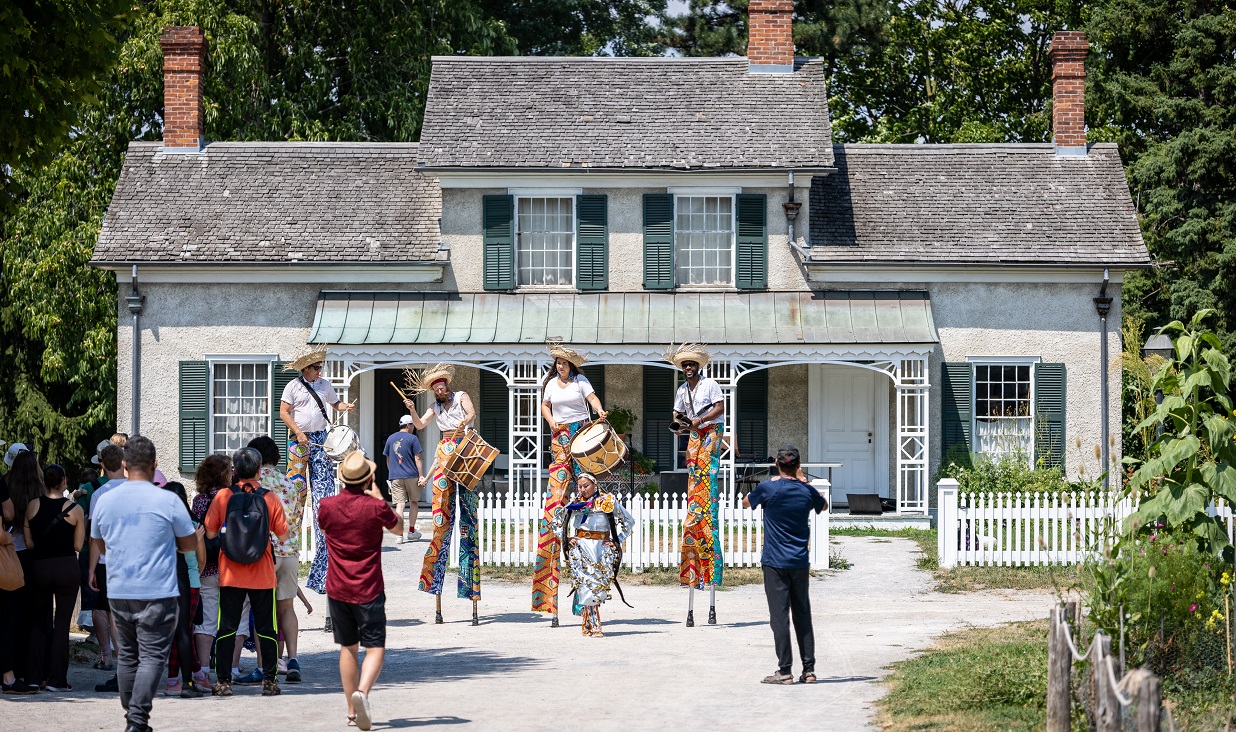
The Village at Black Creek transformed into a concert venue for two special days in August, in addition to its traditional holiday season programming. Close to 50 musicians and dancers performed across The Village, bringing the site to life in an exciting new way.
Funded by the Toronto Arts Council, FabCollab, a non-profit arts organization, in partnership with TRCA, filled the site with Afro-Brazilian drumming, Indigenous jingle dress dancing, flamenco dancing, and other vibrant performances, demonstrating the deep connection between Toronto heritage and arts.
TRCA Hotspots Host Learn to Fish
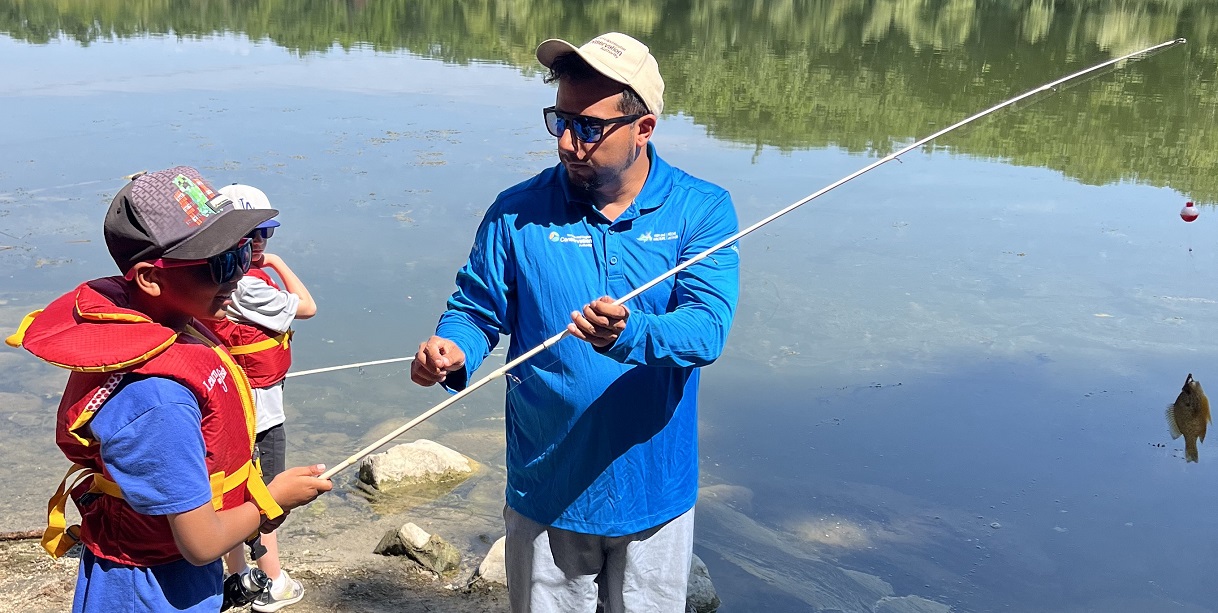
For many participants, fishing serves as a gateway to exploring and appreciating nature. Now in its third year, the provincial Learn to Fish program welcomed 2.8K future anglers at Heart Lake Conservation Park and Tommy Thompson Park.
Participants caught and released more than 500 fish representing 9 species, building skills while fostering a deeper connection to local aquatic ecosystems.
Environmental Leaders of Tomorrow
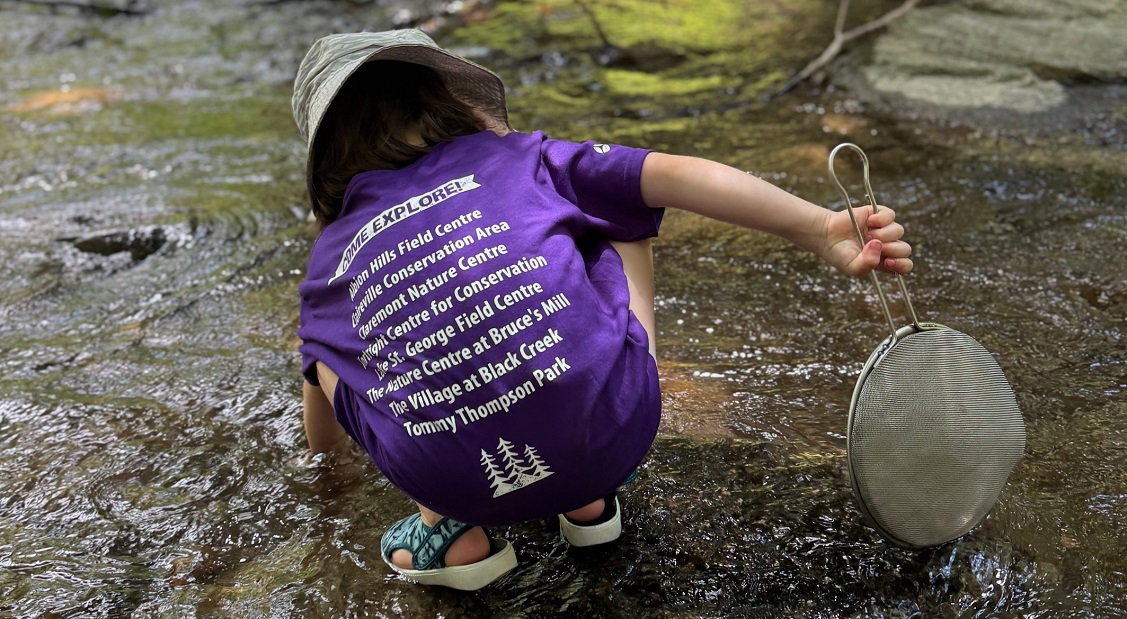
In 2025, Claremont Nature Centre and Albion Hills Field Centre hosted 28 classes and 776 students from grade 6 and 7 as part of the Environmental Leaders of Tomorrow program.
This award-winning curriculum-based program, now in its 19th year, has supported more than 26K at-risk students from vulnerable communities in and around Toronto who might not otherwise have access to these experiences.
“The opportunities provided through Environmental Leaders of Tomorrow have helped students develop skills they carry with them long after the experience ends. The impact on our school has been significant: a marked decrease in peer-to-peer conflict, a notable rise in youth leadership groups, stronger student voice, an increased sense of belonging. Simply put, the Environmental Leaders of Tomorrow program has transformed our school and community.”
– Kevin Sebastian, Principal, Balmoral Drive Senior Public School, Brampton
Nature Schools Grow in Popularity
Surrounded by woodlands, creeks, meadows, fresh air and open skies, TRCA’s nature schools welcome senior kindergarten to Grade 6 students, where education meets the outdoors.
At The Nature School, students are building shelters, cooking over open fires, climbing trees, whittling wood, sewing, hiking, and more.
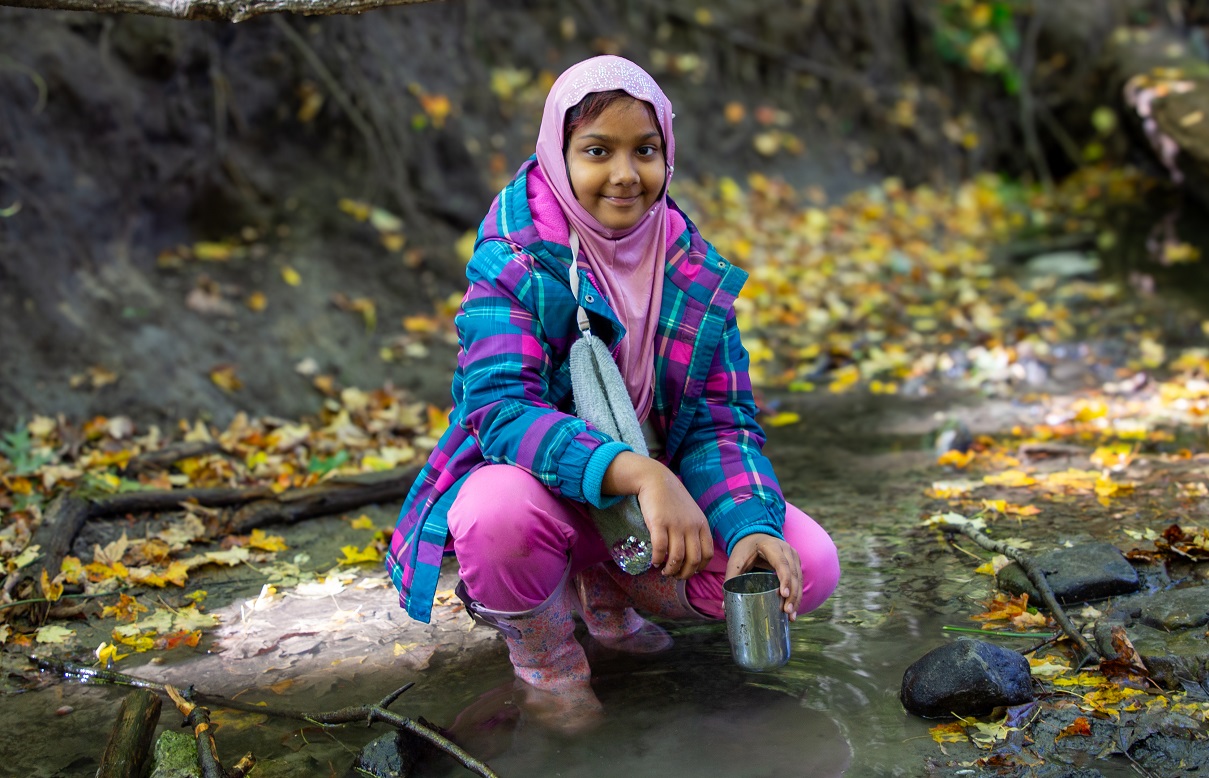
This approach to teaching and learning seamlessly integrates provincial learning goals into child-led outdoor adventures that actively engage participants in experiences and lessons that foster the conservation stewards of tomorrow in all four corners of our jurisdiction: Durham, Peel, and York regions, and the City of Toronto.
Enrollment more than doubled for the first year of the two newly launched Nature Schools at Claremont and the Toronto Zoo for the 2024/2025 school year. This growing popularity resulted in enhancements and expanded knowledge areas for memorable learning.
Connecting the Drops: Mobilizing Peel Students to Protect Local Waterways
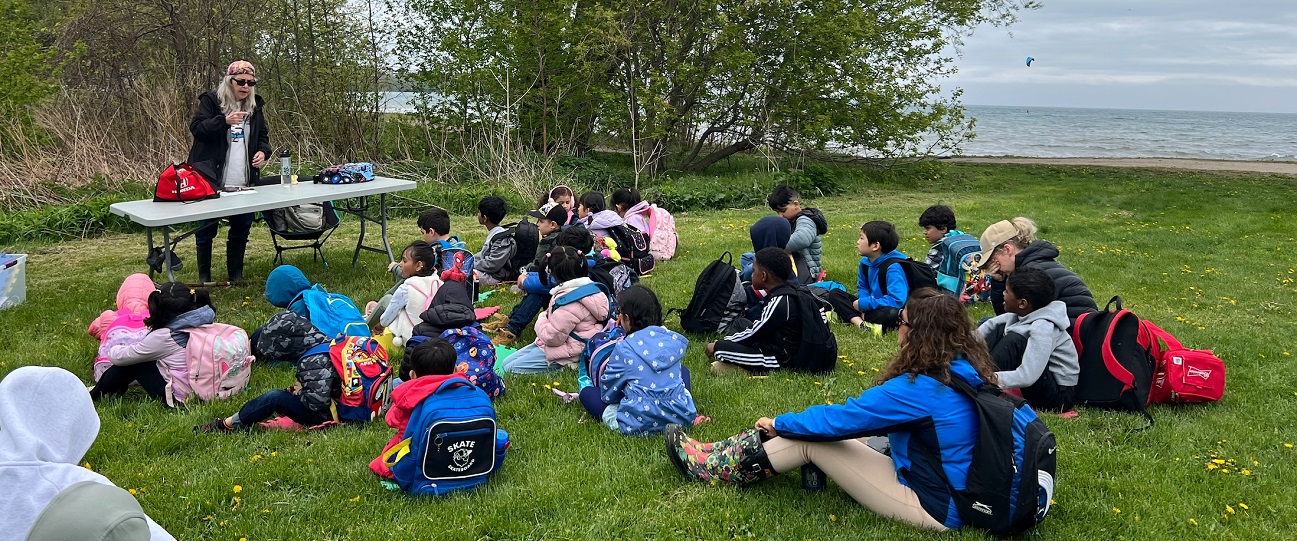
In 2025, TRCA launched Connecting the Drops, a hands-on water education program supported by the Government of Ontario’s Great Lakes Local Action Fund.
The initiative engaged 348 students from 7 Peel Region schools, who planted 13 native species, totalling 1.8K plants, to enhance local biodiversity and extend learning from the classroom to local shorelines.
Peer-to-peer mentorship allowed older students to guide younger learners and build leadership skills. High school students from 3 Peel Region schools explored issues affecting the Great Lakes, including measuring soil chloride levels through salt-tolerant plant test plots established on their campuses.
These students then shared this knowledge with elementary learners along the Lake Ontario shoreline in Mississauga through cleanups, habitat restoration, and interactive workshops, including an independently-led Indigenous Connections session. Participants examined pollution, urban runoff, climate change, and how local creeks connect to the Great Lakes.
By the end of the program, 75% of participants reported feeling better equipped to take action on environmental issues.
By linking real-world action with learning, Connecting the Drops is inspiring the next generation of environmental leaders and strengthening community understanding of watershed health across Peel Region.
EcoSchools Lead Sustainability in Peel Region
The Peel EcoSchools program fosters sustainability and environmental stewardship in schools using the EcoSchools Canada Certification framework. The program builds capacity through behaviour changes across school board departments and school communities by connecting local climate change knowledge with curriculum expectations through a rigorous certification process.
Dedicated school board staff and students drive this work by undertaking customized environmental actions, campaigns, and projects within their school communities to achieve certification. This integrated, student-led approach is at the core of the program’s success.
In 2025, 65% of Peel Region schools achieved EcoSchool certification, with 88% of certified schools reaching gold or platinum, the highest levels of achievement available. It is anticipated that within the next three years, all Dufferin-Peel Catholic and Peel District School Board schools will become certified EcoSchools.
In support of this progress, 53 grants totalling more than $23K were awarded to certifying EcoSchools to advance climate-related environmental actions.
3.4 |
Inspired communities take environmental action |
TRCA enables communities to protect their natural environment with their own hands.
Community Stewardship: Powered by People
Community members played a vital role in caring for TRCA lands in 2025. A total of 5.8K participants contributed an impressive 15K volunteer hours to restoration and stewardship activities across the region.
Through 127 community-based events, volunteers helped plant 22K trees and shrubs, removed 8K lbs of garbage, managed 5K m2 of invasive vegetation, restored 45K m2 of habitat, and maintained 46K m2 natural areas, revitalizing landscapes and enriching ecosystem health across the region.
Supported by 192 trained volunteers contributing nearly 3K hours, other initiatives included pollinator plot and cultural garden maintenance, citizen science, and watershed-wide cleanups. Together, these efforts enhance TRCA’s natural spaces, demonstrating the powerful impact of community-led stewardship for resilient futures ahead.
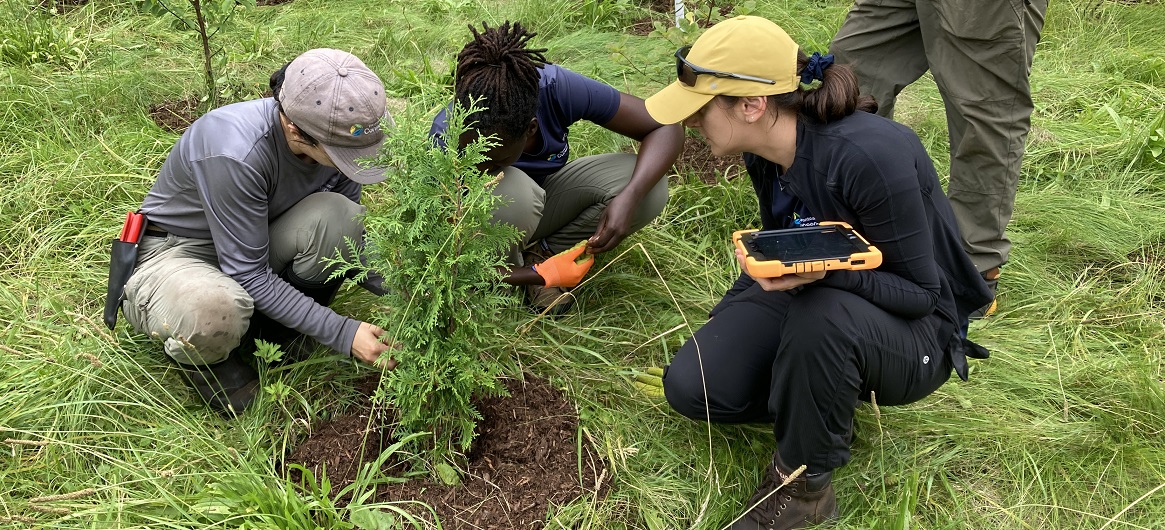


TRCA provides opportunities for hands-on action to help the local environment.
Boyd Field School: Celebrating 50 Years of Discovery and Cultural Learning
In 2025, TRCA marked the 50th anniversary of the Boyd Archaeological Field School, Canada’s longest-running high school archaeology program. Students continued uncovering the stories of an 800-year-old Middle Iroquoian village while learning directly from Indigenous educators, archaeologists, and industry experts.
With more than 1M artifacts recovered and nearly 1.5K alumni worldwide, the program stands as a model of cultural stewardship, experiential learning, and career-building in archaeology and heritage science.
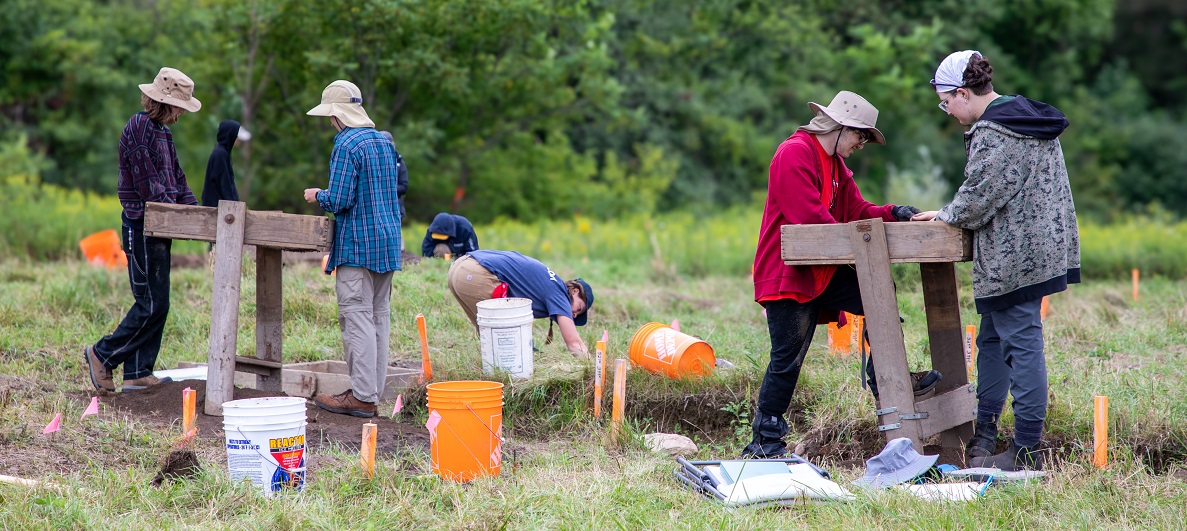
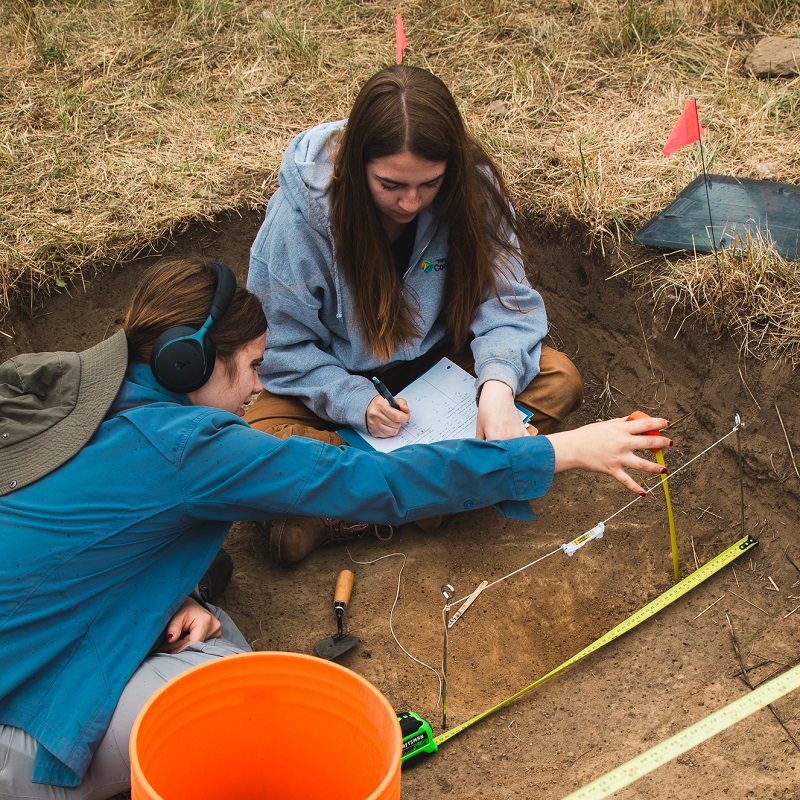
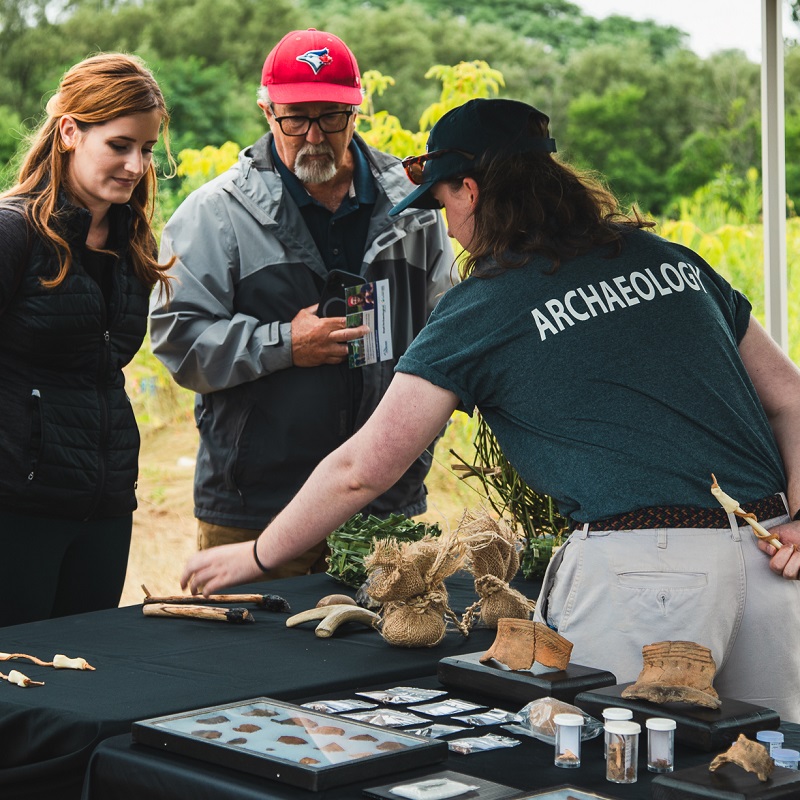
The Boyd Archaeological Field School is the longest-running program of its kind in Canada.
Sustainable Neighbourhoods: The Key to a Resilient Future
Through the Sustainable Neighbourhood Action Program (SNAP), TRCA secured $550K over three years to deliver the new Climate Ready Homes Program across the region.
Launched in September 2025 with support from the Peter Gilgan Foundation and RBC Foundation, the program has completed more than 50 home visits and provided residents with practical supports, including rain barrels, flood alarms, air-sealing kits, emergency preparedness kits, and trees and shrubs.
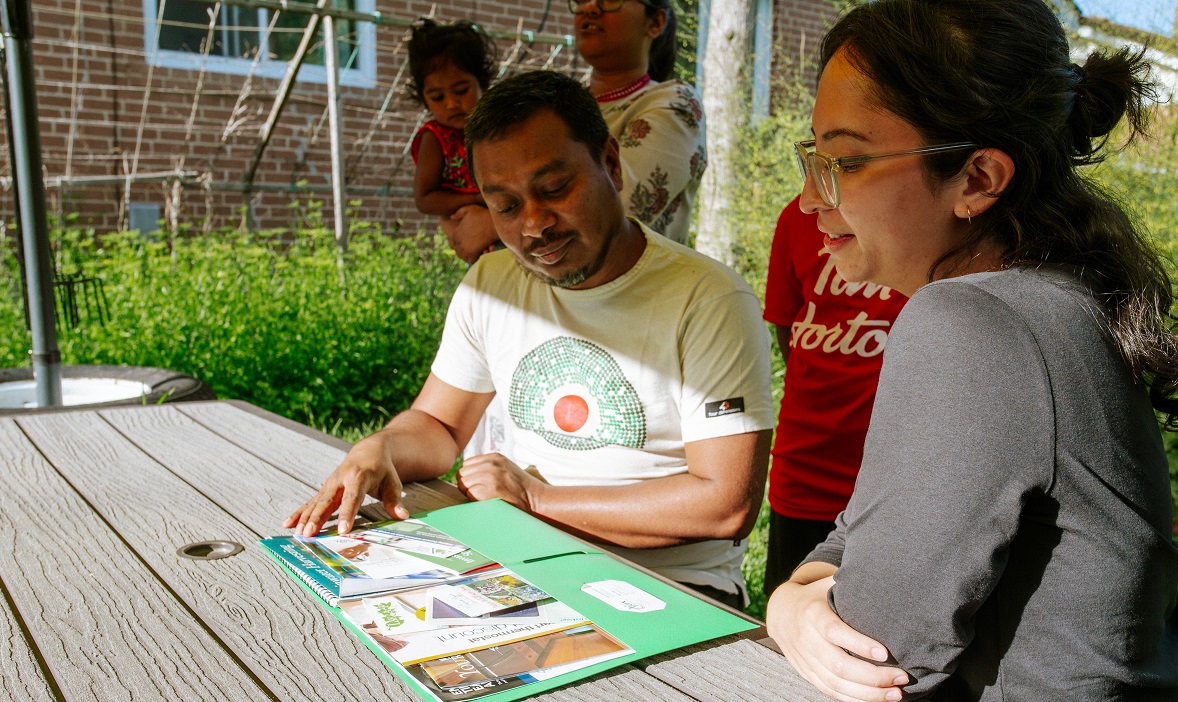
In 2025, SNAP also launched its 12th neighbourhood program in Malton, Mississauga, a diverse community of 41K residents with strong potential for tailored sustainability programming. Neighbourhood scoping and preliminary community engagement were completed, laying the groundwork for an Action Plan in 2026.
Advancing Shared Priorities through TRCA’s Regional Watershed Alliance
In 2025, the Regional Watershed Alliance completed its most recent two-year term and welcomed 12 new members, including watershed residents, sector experts and organizations, Youth Council representatives, and provincial and federal elected representatives. Many returning members, including elected officials, also continued their participation.
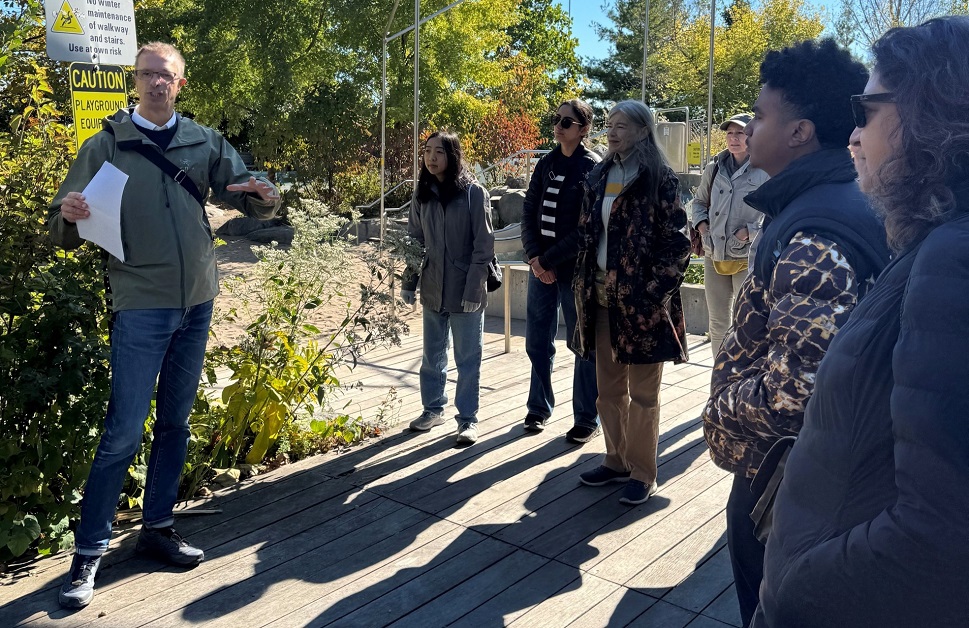
Over the course of the year, the Alliance learned about and provided input on 11 TRCA and partner initiatives. Topics ranged from binational efforts to protect and restore Lake Ontario, to safeguarding Toronto’s first bald eagle nesting pair, to advancing Indigenous engagement initiatives.
Members of the Alliance and TRCA’s Youth Council also toured the transformational Port Lands projects and other TRCA sites, gaining firsthand insight into TRCA’s work in partnership with others.
Celebrating the Humber: Connecting Community to Heritage
In June, TRCA hosted its annual Celebrate the Humber event at Étienne Brûlé Park: a free, family-friendly celebration of the Humber River’s cultural and recreational significance.
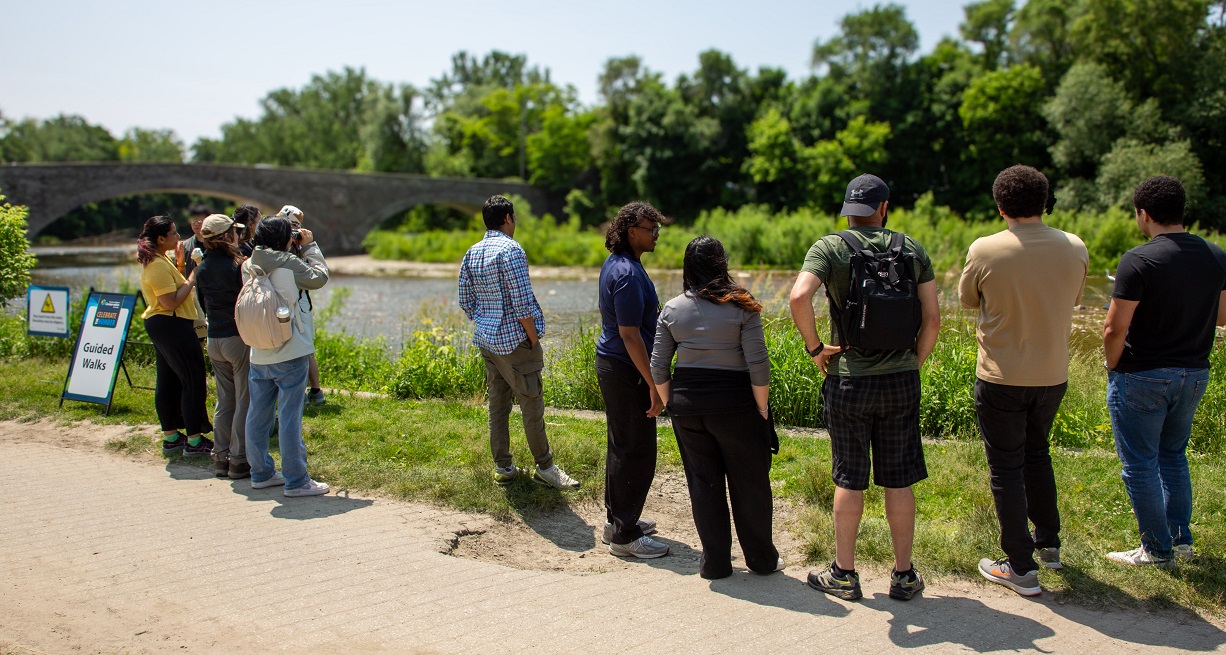
Through an Indigenous-led ceremony by Four Colours Drum Circle, guided walks, hands-on educational stations, fishing demonstrations, outdoor games, and arts and crafts, participants deepened their understanding of Indigenous history, local geography, and the Humber’s designation as the only Canadian Heritage River in the Greater Toronto Area.
10 Years of Girls Can Too: Building Skills, Confidence, and Community Impact
In 2025, TRCA celebrated the 10th anniversary of Girls Can Too, its flagship program empowering young women and female-identifying youth to pursue careers in skilled trades and environmental fields where women remain underrepresented.
Over the past decade, the program has:
- Trained more than 700 participants
- Completed 100+ community projects
- Built real-world skills, confidence, and career pathways
From constructing trailhead kiosks to restoring local ecosystems, participants don’t just learn – they lead. Their work leaves a lasting mark across our communities, strengthening both local spaces and the workforce that will shape our future.
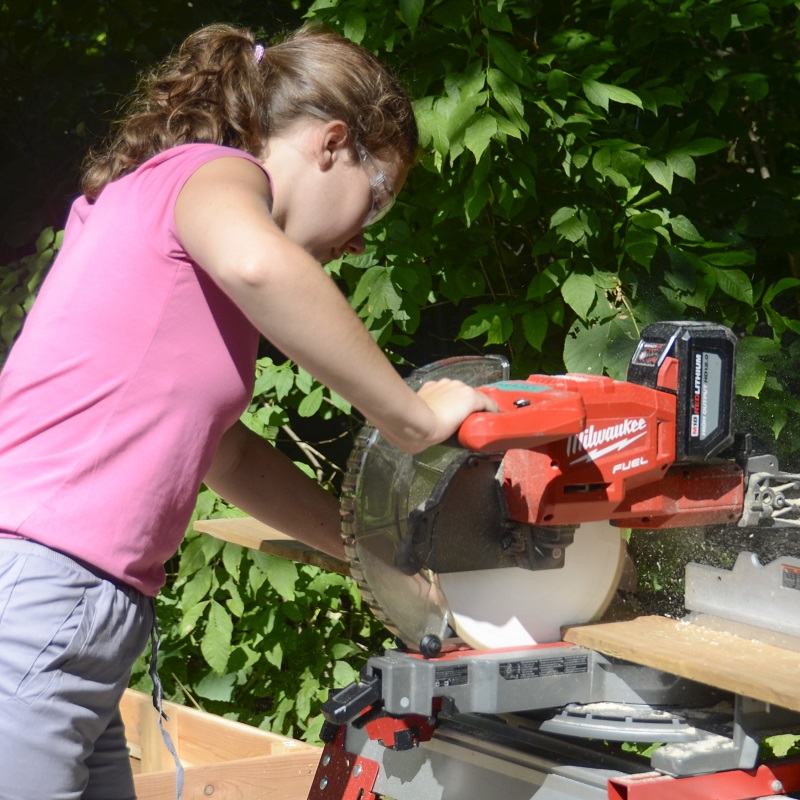
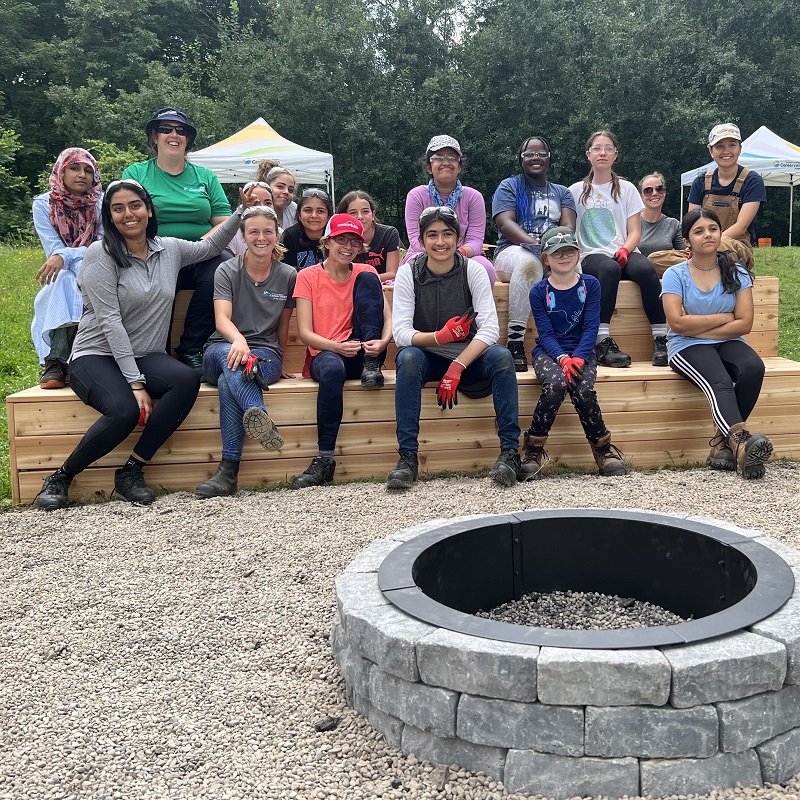

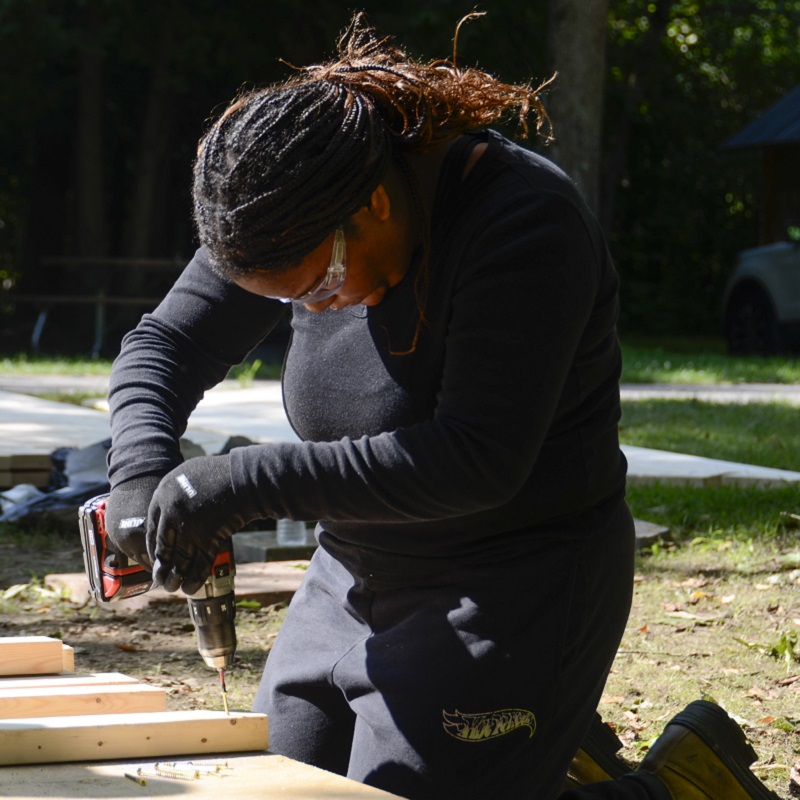
The anniversary was marked by a celebration at Heart Lake Conservation Park featuring a welcoming drum circle led by Four Colours Drum Circle, a guided walk to the Medicine Wheel Garden (Gitigaan Mashkiki), and hands-on building activities that reflected the strong community at the heart of the program.
Celebrating Nature Through Signature Festivals
TRCA’s major festivals continued to draw families and nature enthusiasts from across the region: 31K individuals in 2025.
TRCA’s Sugarbush Maple Syrup Festival at Kortright Centre for Conservation and Bruce’s Mill Conservation Park welcomed thousands for a hands-on taste of maple tradition. Seasonal favourites like TRCA’s Spring Bird Festival, Butterfly Festival, and Adventures of Salmon events connected visitors to local wildlife migrations, pollinator conservation, and the return of salmon to our rivers.
Together, these events strengthened community engagement, boosted environmental awareness, and showcased the natural richness of TRCA’s watersheds.
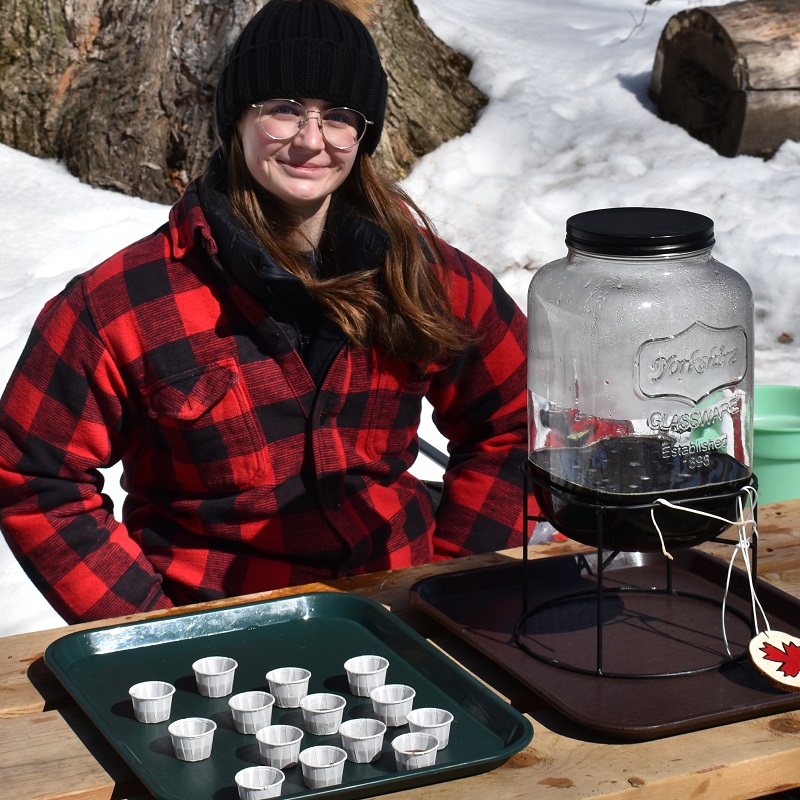
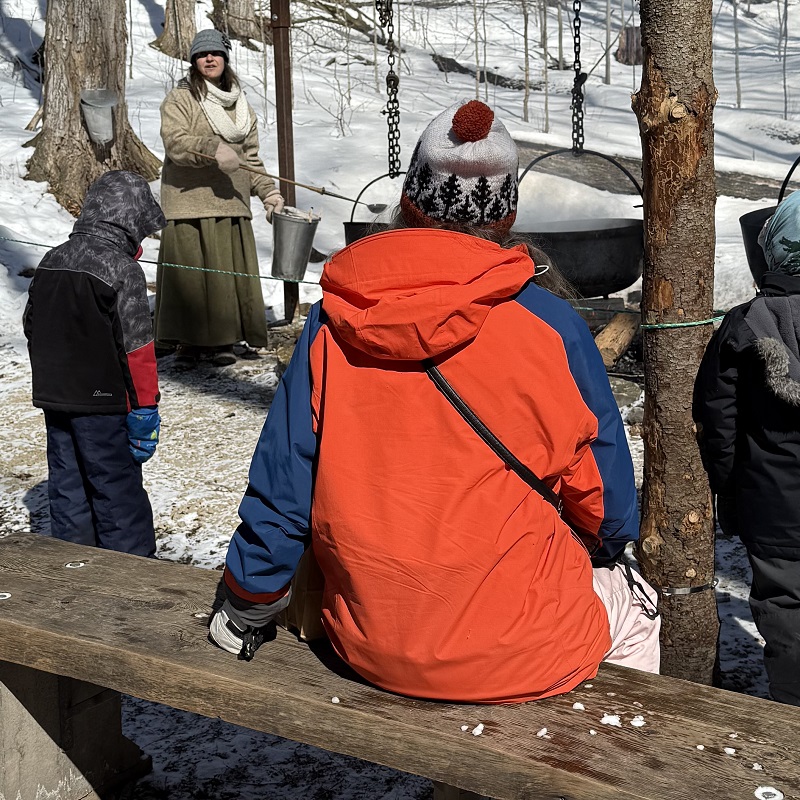
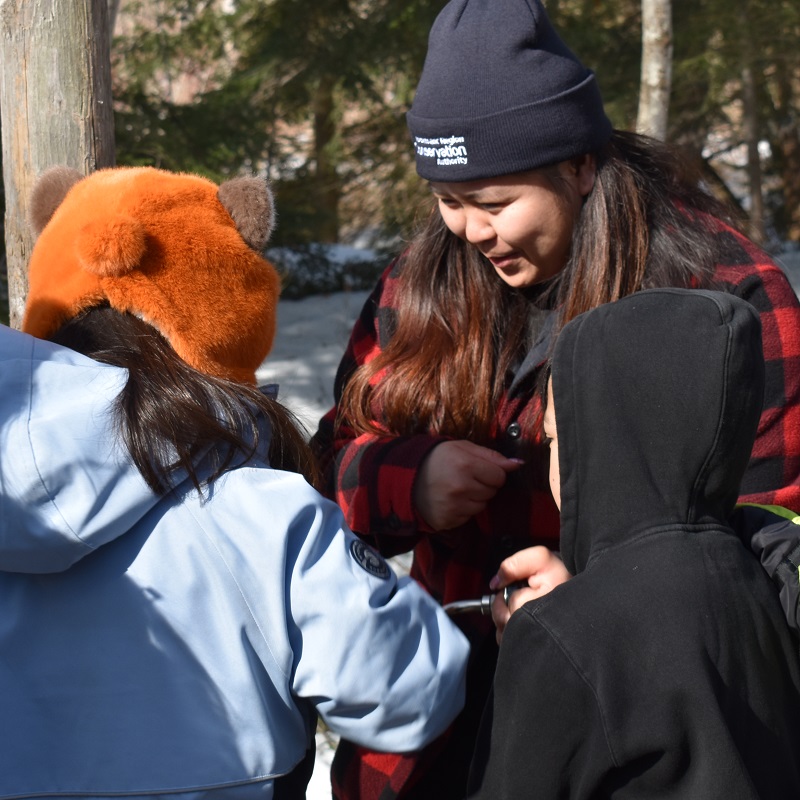
TRCA’s Sugarbush Maple Syrup Festival: March-April, 2025.
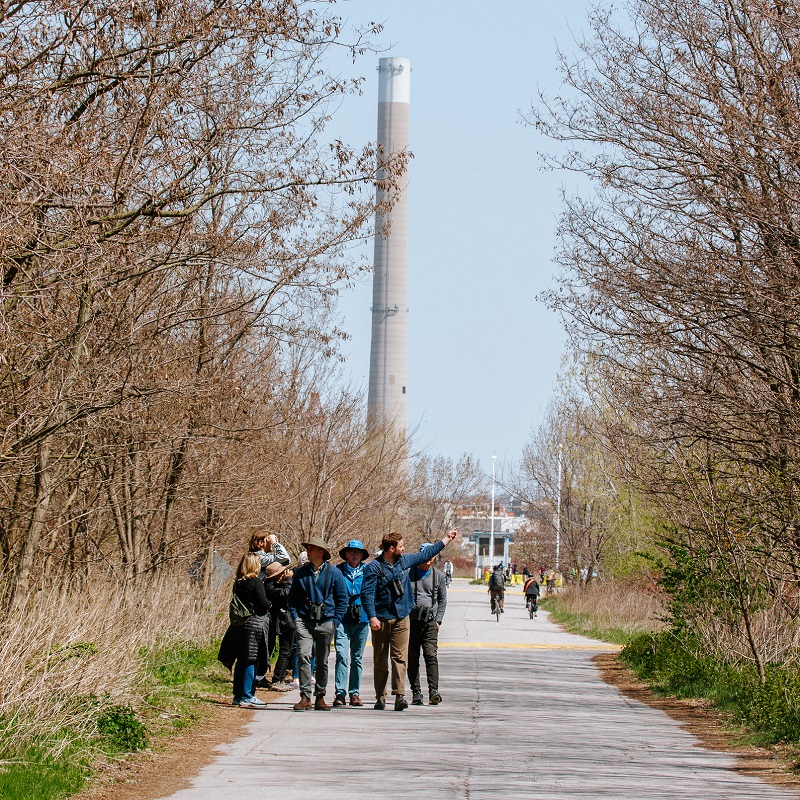
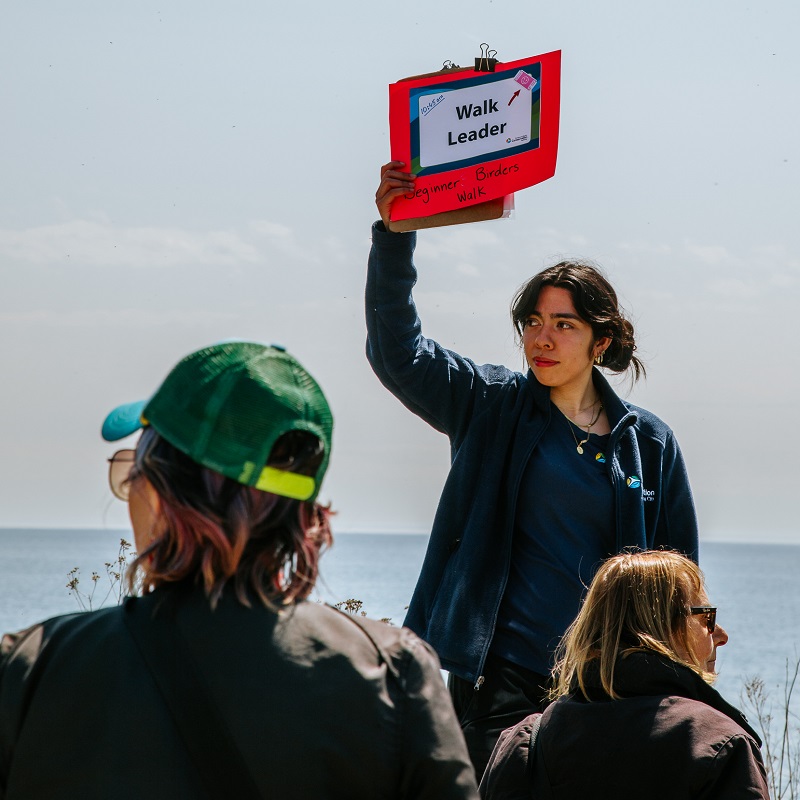
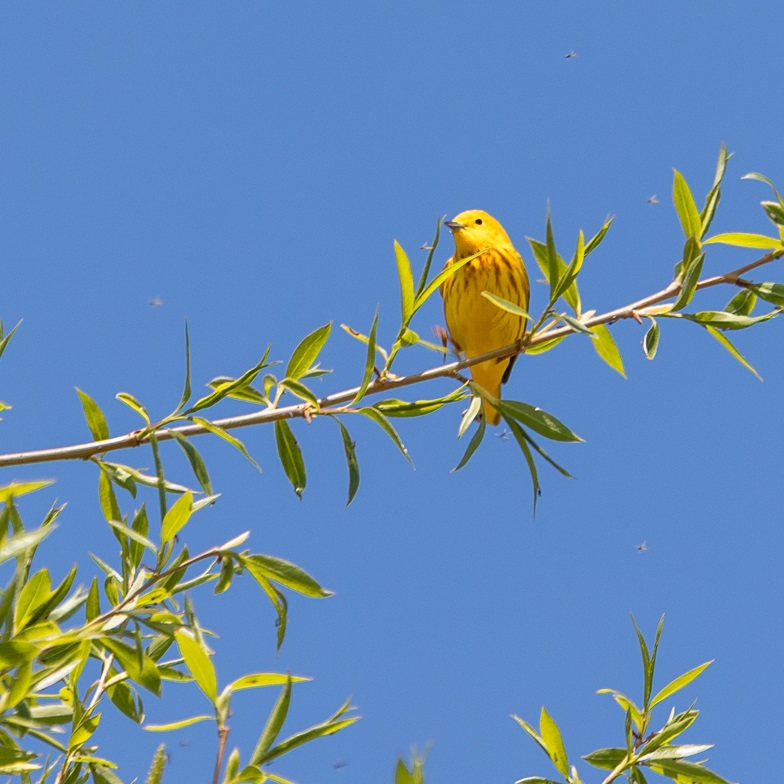
TRCA Spring Bird Festival: May 10, 2025.
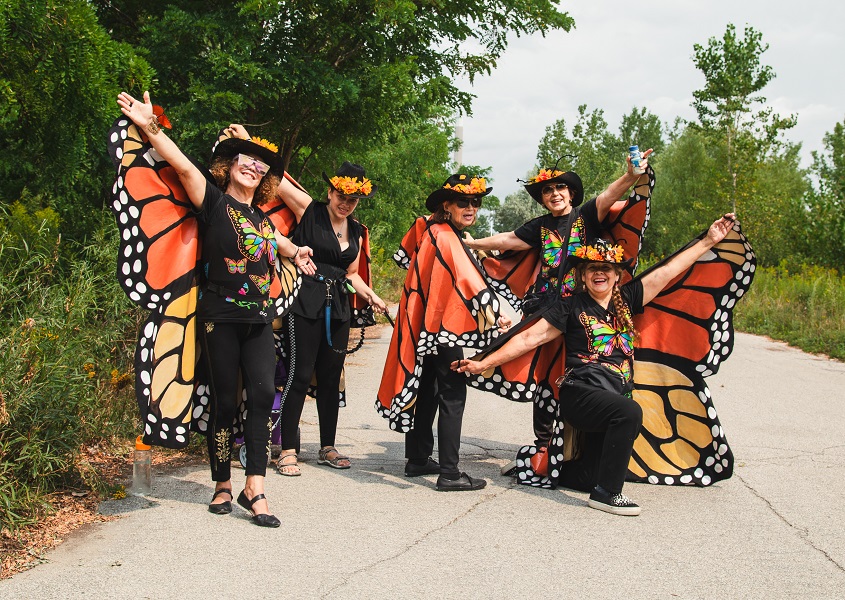
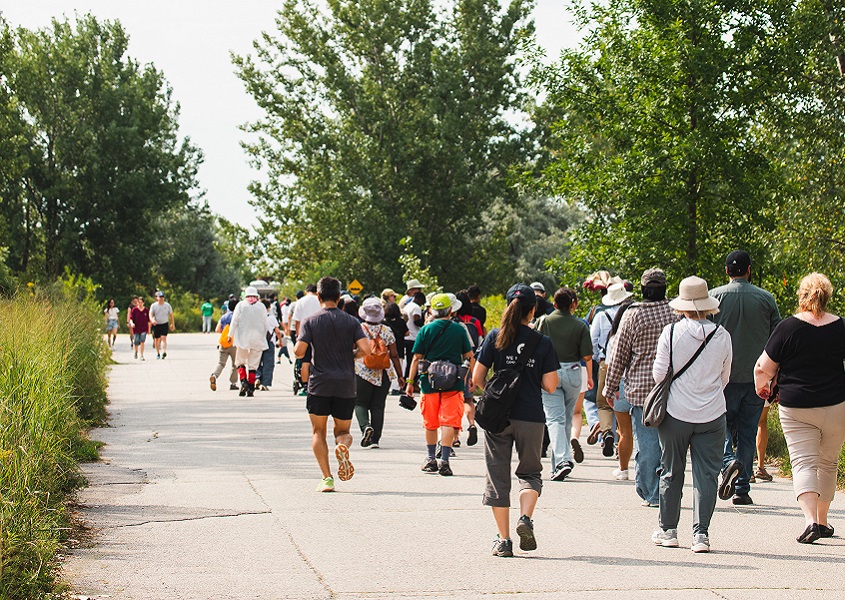
TRCA Butterfly Festival: August 23, 2025.
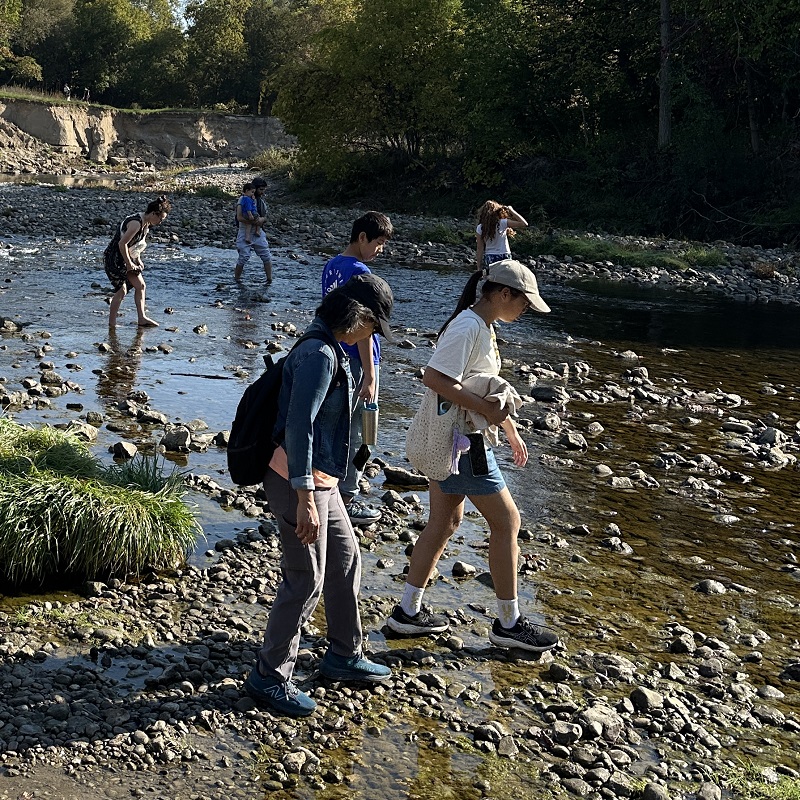
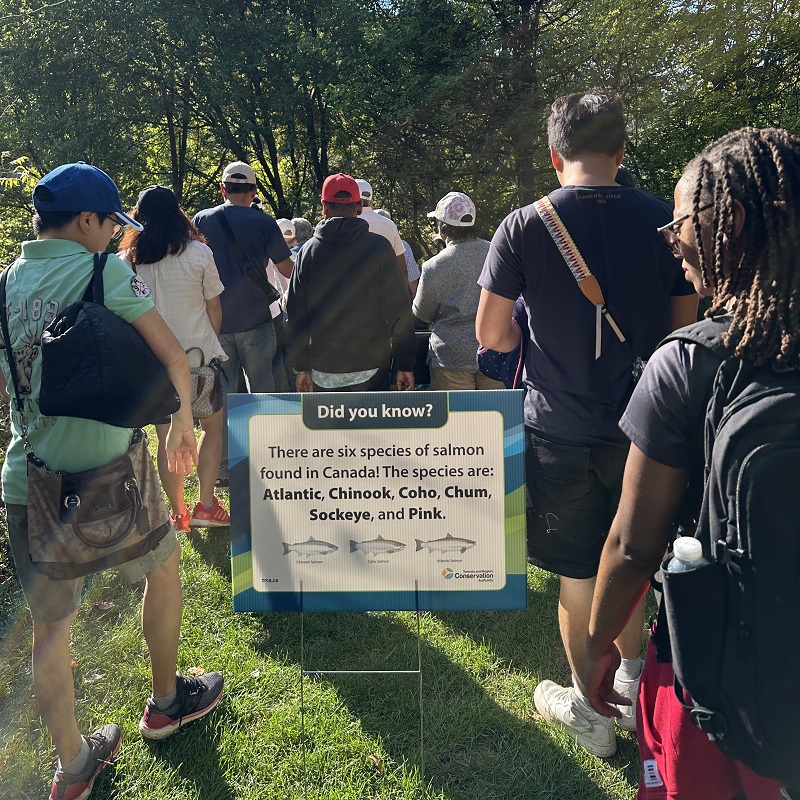
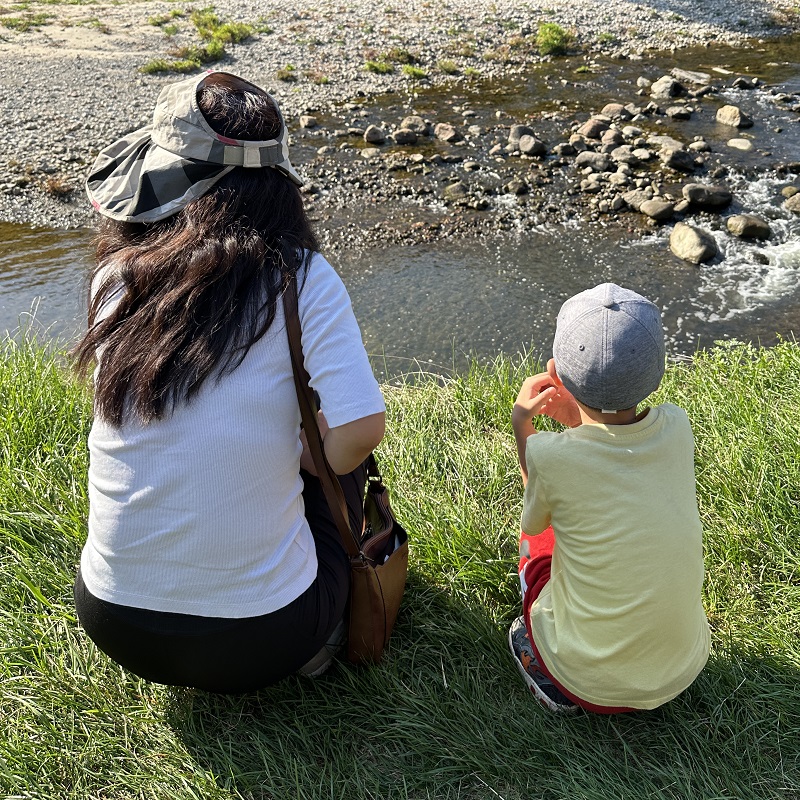
TRCA Adventures of Salmon: October 5, 2025.
Farmer Stewardship from Pilot to Program
Following a successful three-year pilot, the Alternative Land Use Services (ALUS) program achieved permanent adoption in Peel Region in 2025. To date, the program has supported 49 stewardship projects delivered by 16 farmers, with payments supporting the restoration of 83.7 acres of land.
“We are thrilled to be part of the ALUS program as it aligns perfectly with our family and business ethos. The partnership between ALUS, TRCA, Peel Region, and farm businesses to deliver programs that leverage and amplify public and private assets is testimony itself to what’s possible. Our recreated wetland in the front 10 acres is magical and while small, plays an important role in rewilding our countryside. Many thanks!”
– Debbe Crandall on behalf of Mount Wolfe Farm

GOAL: Customer service excellence for efficient service delivery to adapt to a changing environment
A New Home for Sustainable Action:
TRCA’s Low-Carbon Head Office
TRCA proudly marked the official opening of its new Administrative Office Building at 5 Shoreham Drive in April 2025, celebrating a major milestone in the organization’s commitment to sustainability, innovation, and workplace well-being.
The opening ceremony brought together TRCA’s Board of Directors, senior government leaders, Indigenous partners, and staff to celebrate this flagship low-carbon facility.
This four-storey, mass-timber building is a global leader in energy-efficient mid-rise office buildings. It was designed from the outset to meet LEED v4 Platinum, WELL v2 Silver, and Zero-Carbon standards, while incorporating innovative stormwater management, electric vehicle infrastructure, and material reuse strategies.
Input from TRCA staff helped advance innovative solutions, including an open-loop geothermal system that is 15-20% more efficient than traditional closed-loop systems. The building now brings together more than 350 staff in a modern workplace featuring a naturally lit atrium and a wood-first design that strengthens connections to nature.
The building also features Canadian sustainable technology innovations, including a Building Operating System that optimizes energy use.
This facility serves as a living demonstration of how organizations can reduce embodied and operational emissions while supporting collaboration and innovation.


TRCA’s Administrative Office Building incorporates a wide range of innovative sustainable building solutions, from mass timber construction to an open-loop geothermal system.
Throughout 2025, TRCA hosted guided tours promoted through initiatives such as Doors Open Toronto and Toronto Climate Week. More than 2.1K participants took part in 113 tours, experiencing features including the cascading water wall, rain gardens, mass-timber staircases, and permeable pavement.
Looking ahead, the Administrative Office Building will strengthen TRCA’s capacity to deliver watershed-scale conservation, resilient infrastructure planning, and community engagement across the region.
As a globally recognized, award-winning demonstration project, it reinforces TRCA’s role as both practitioner and convener by providing a replicable model of low-carbon public infrastructure that supports climate resilience, reduces emissions, and inspires partners, municipalities, and developers to pursue similar approaches.
The building stands as a lasting legacy and a resilient, low-impact base from which TRCA will continue to protect and restore the Toronto region for generations to come.
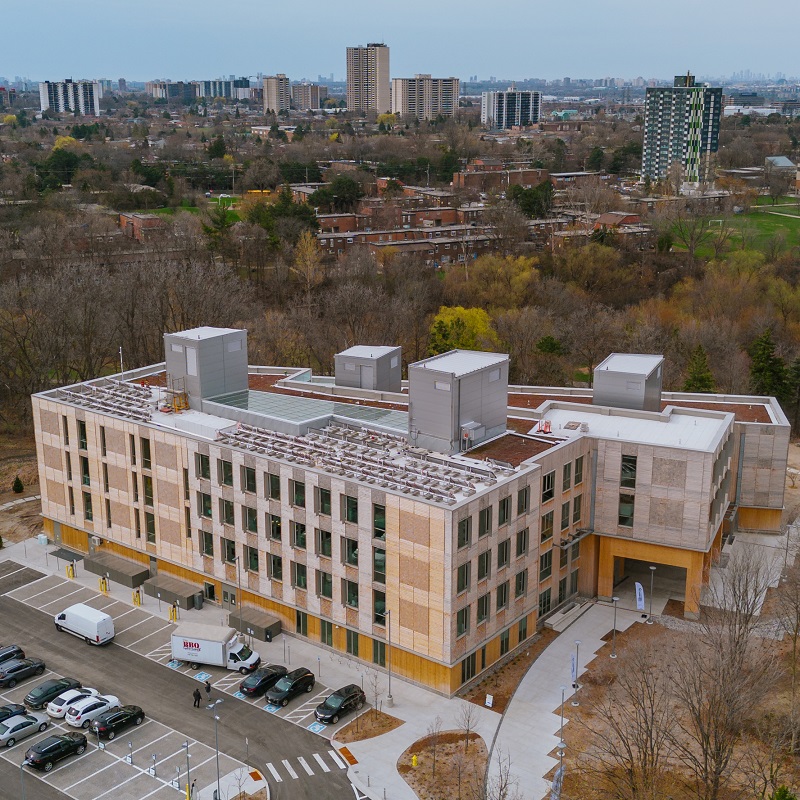
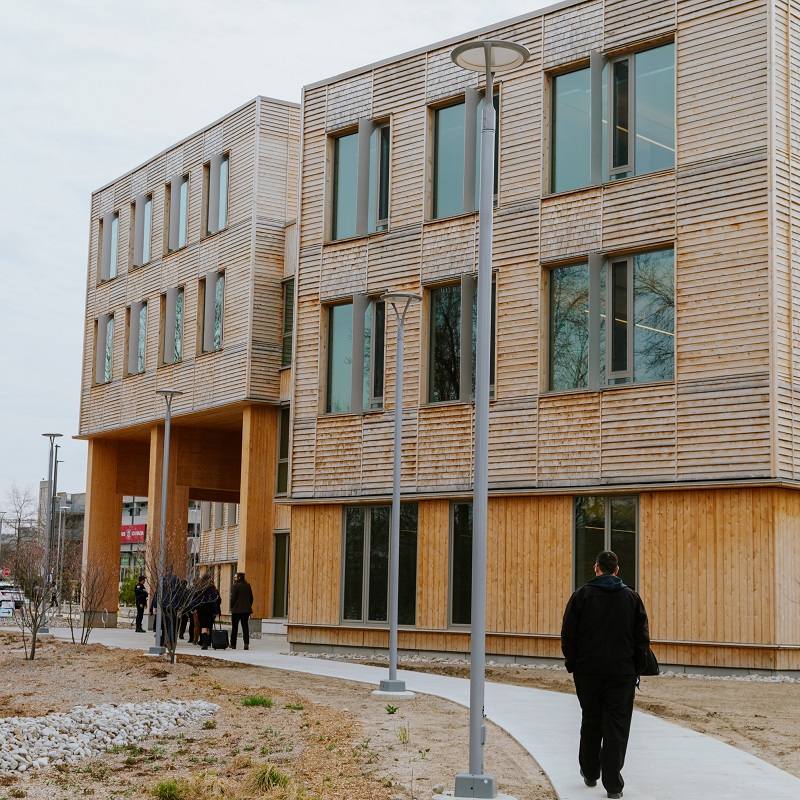
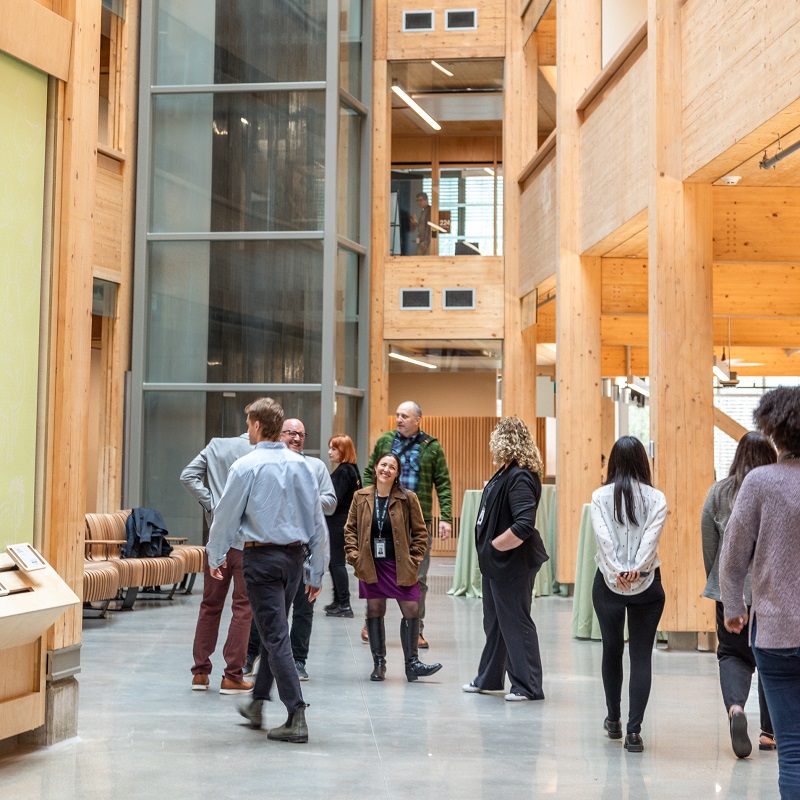

More than 2.1K visitors toured the award-winning facility in 2025, experiencing the many features that make it a model of low-carbon public infrastructure.
4.1 |
A strong and skilled workforce |
TRCA’s workforce is its most important resource, and the organization will remain competitive in the employment market through its commitment to talent retention and investment.
Marking Staff Milestones
At a September ceremony held at our new Administrative Office Building, TRCA recognized 80 employees for service milestones ranging from five to 30 years of dedication to serving watershed communities.
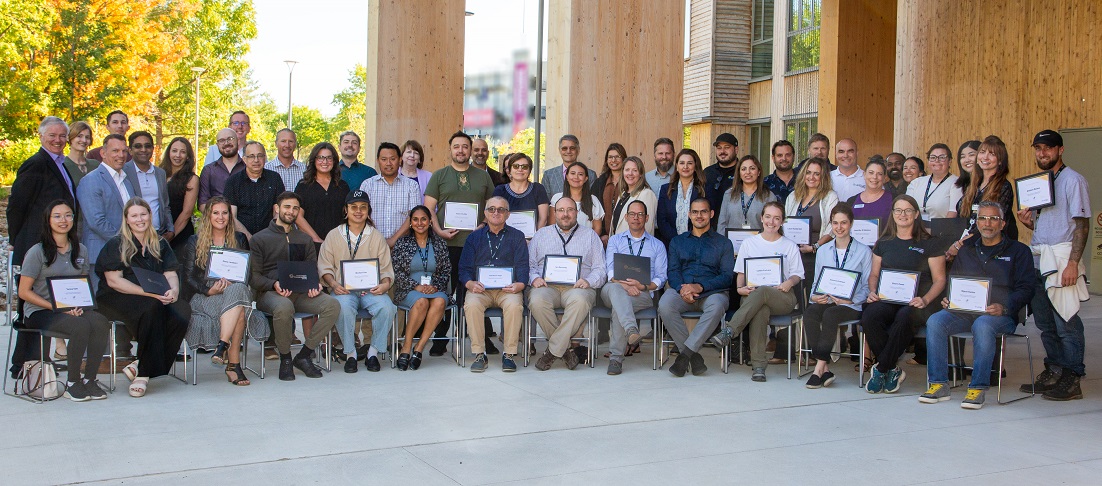
Through staff appreciation events like the annual Summer BBQ and holiday season Pancake Breakfast, colleagues from across the organization came together to reflect on accomplishments and the opportunities on the conservation path ahead.
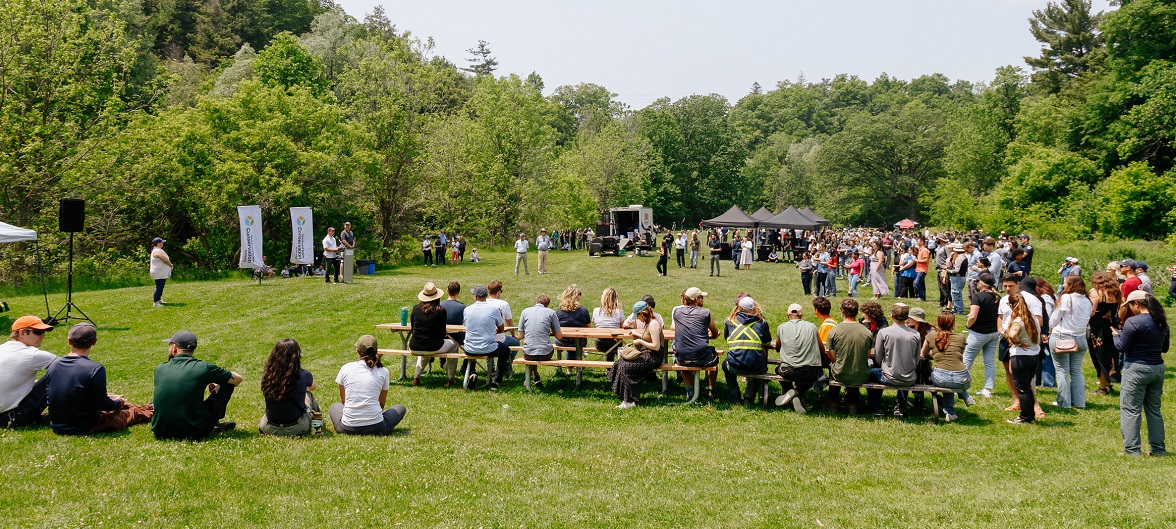
Shaping the Future through Summer Jobs
In 2025, 126 youth gained valuable learning and employment experiences at TRCA through the Canada Summer Jobs wage subsidy program, offered by the Government of Canada. Through this opportunity, participants gained hands-on learning across diverse fields in the Greater Toronto Area, reinforcing TRCA’s commitment to developing future talent and supporting meaningful career growth.
TRCA was pleased to host four Members of Parliament at on-site visits, enabling MPs to meet TRCA staff supported by this program and to see firsthand the positive impacts of this essential funding in supporting organizational capacity during the busiest months of the year.
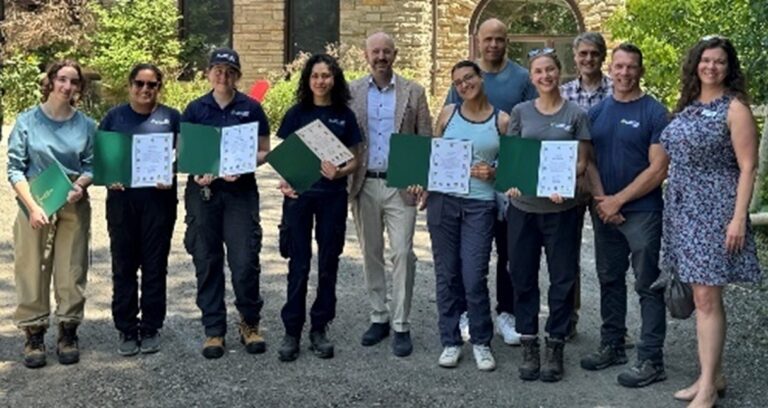
Recruitment, Performance, Flexibility
-
- Hired 520 seasonal staff in 2025, with 95% stating they would return for a future opportunity and 76% likely to refer a friend for a seasonal role.
-
- 97% of employees in required positions have Performance Development Program goals.
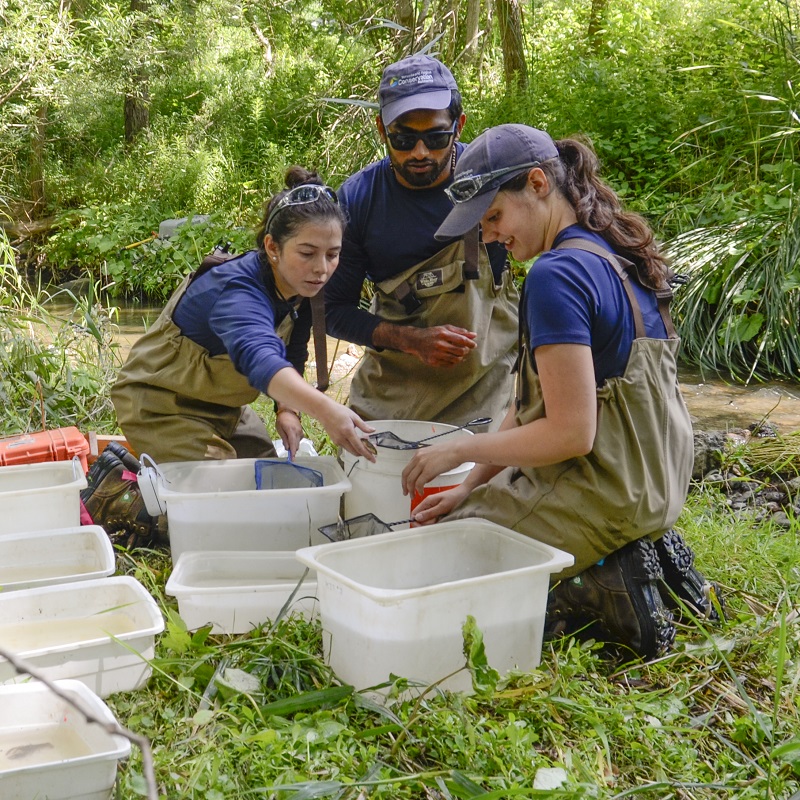
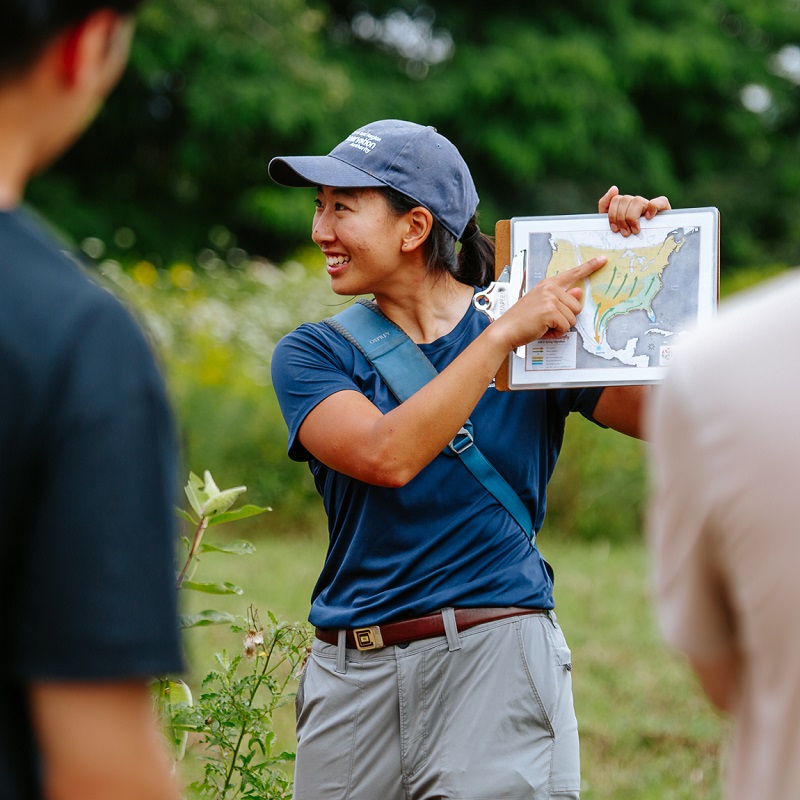
Seasonal staff play a critical role in supporting TRCA’s programs and operations.
Diversity, Equity and Inclusion (DEI)
In 2025, TRCA’s Diversity, Equity and Inclusion Implementation Committee continued to support staff by advancing key initiatives, including:
-
- Launching new resources and information to support participation in DEI initiatives through the Staff Hub, TRCA’s internal digital platform.
-
- Developing a framework to guide the formation of Employee Resource Groups.
-
- Exploring approaches to cultural observances and recognition, and conducting observances for important days, including the National Day for Truth and Reconciliation.
-
- Sourcing training opportunities for people leaders and reviewing options for enhanced DEI-related data collection.
Through this work, the committee remains focused on ensuring TRCA continues to build inclusive programs and services that reflect the diverse communities it serves.
4.2 |
Provide and manage an efficient and adaptable organization |
TRCA enhances the sustainability of its business model for generations to come by strengthening relationships with our partner municipalities and securing long-term partner support.
Grants: Key Highlights


Greenspace Filming Revenue
Following a strong rebound in 2024 after industry-wide strikes, TRCA’s film program continued its upward trajectory in 2025, driving revenue growth and reinforcing TRCA’s reputation as a preferred location partner for major productions.
The program expanded its portfolio of repeat clients, increased the number of multi-day shoots, and responded with the speed and professionalism required within increasingly compressed production schedules. This year’s notable productions include Reacher, filmed at Claireville Conservation Area, and Hide and Seek, filmed at Boyd Conservation Park.
This momentum reflects TRCA’s strong brand recognition, exceptional locations, deepening industry trust, and a film-friendly approach supported by a team that consistently transforms complex logistical demands into efficient operational outcomes.
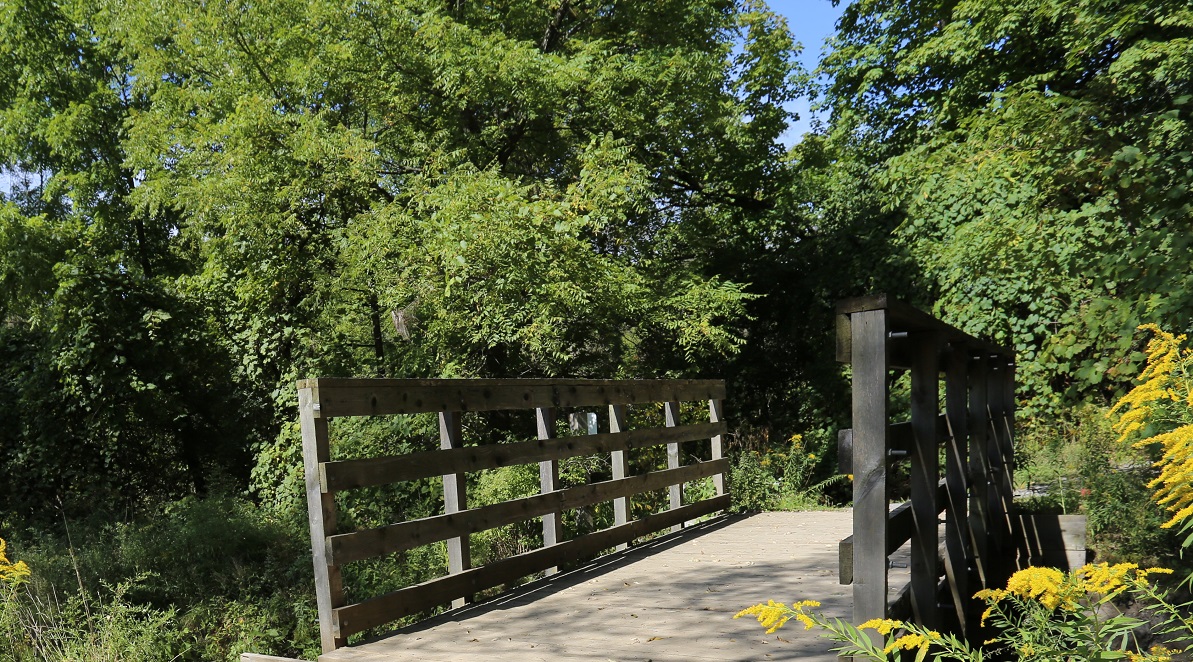
Circular Solutions, Real Savings
In 2025, TRCA’s Material Exchange (MEX) program advanced waste reduction, affordability, and community benefit by reusing surplus materials across TRCA and with local partners.
Through 11 total exchanges, more than 1.66 tonnes of material was diverted from landfill, avoiding 0.52 tCO₂e.
The program generated $28K in cost savings, including $21K for TRCA and $7K for community organizations, by reducing the need to purchase new items.
Reused materials ranged from office furnishings and equipment to operational assets, reinforcing TRCA’s commitment to responsible asset management and circular economy practices.
Advancing TRCA’s Asset Management Plan
TRCA advanced the green infrastructure component of its Asset Management Plan with the completion of the Inventory and Valuation of green infrastructure assets in 2025.
The Eastville Building Condition Assessment (BCA) was also completed, resulting in all TRCA administrative buildings, except for the new Administrative Office Building, now having up-to-date BCAs. This supports informed decision-making and investment planning.
Corporate Engagement that Counts
TRCA’s Look After Where You Live program continued to engage corporate teams across sectors including banking, manufacturing, food and beverage, and entertainment, inspiring meaningful environmental action.
Across 15 project locations, 25 participating organizations, and 32 events, 1.8K participants contributed to hands-on restoration of local greenspaces. Collectively, they removed 580 kg of litter and invasive species, planted 1.9K trees, shrubs, and flowers, and restored 271 m2 of habitat.
Beyond the immediate environmental benefits, these stewardship activities strengthened participants’ connections to nature, deepened environmental awareness, and empowered corporate partners to play an active role in caring for the places where they live and work.
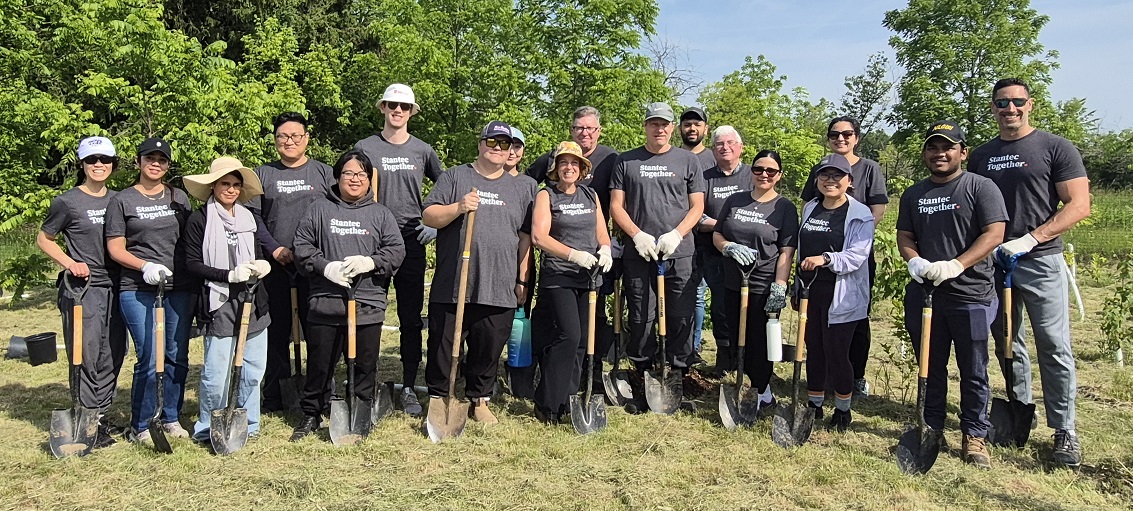
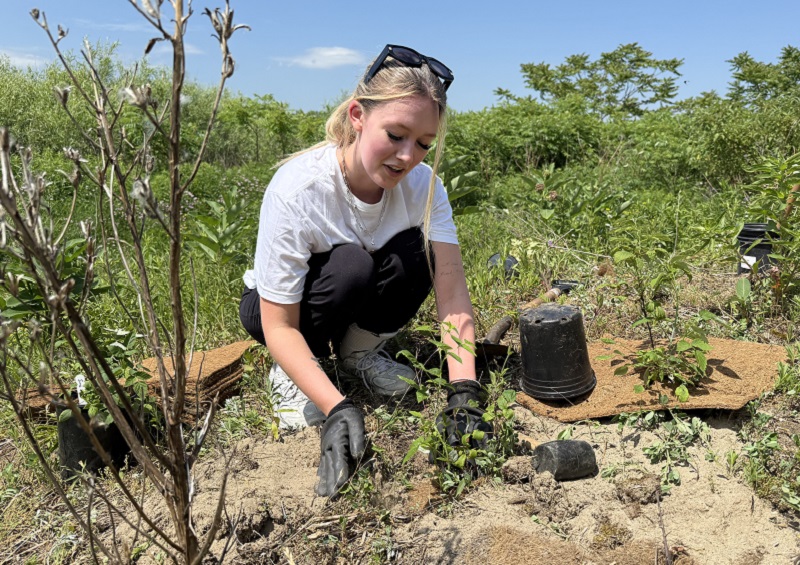
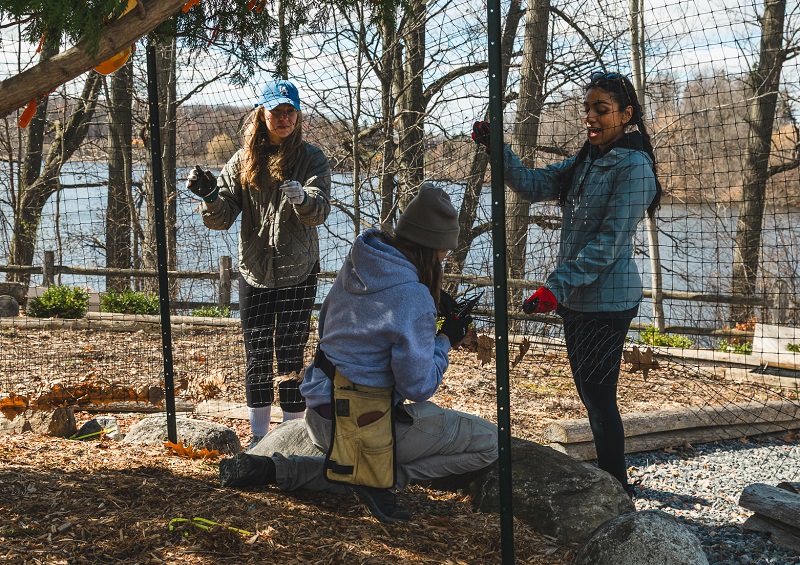
Look After Where You Live engaged 1.8K participants in 2025.
4.3 |
Responsive relationships and a trusted brand with a reputation for excellence |
TRCA builds on past successes to deepen existing relationships and reach new audiences.
Reputational Recognition
TRCA Administrative Office Building
TRCA’s Administrative Office Building continued to receive significant national and international recognition in 2025 for excellence in sustainable design, innovation, and workplace well-being.
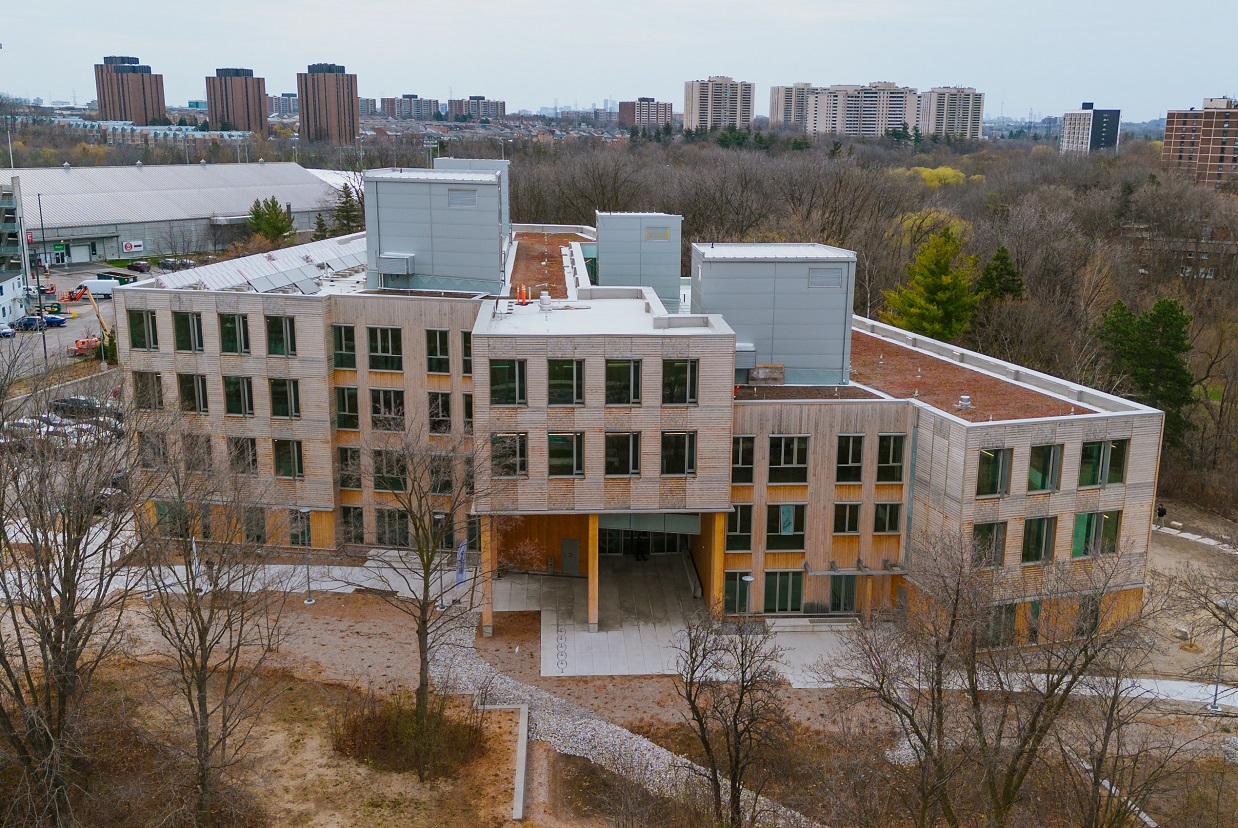
The building was named the overall winner at THE PLAN Award 2025 in Milan, selected from more than 1K global submissions. Presented by one of the world’s leading architecture and design publications, the award recognizes outstanding achievement in sustainability, thoughtful urban integration, and design excellence.
In Canada, the building received the Commercial Industrial (Large) Award at the 2025 Canadian Green Building Awards, presented by SABMag, in recognition of its innovative design and strong commitment to environmental stewardship.
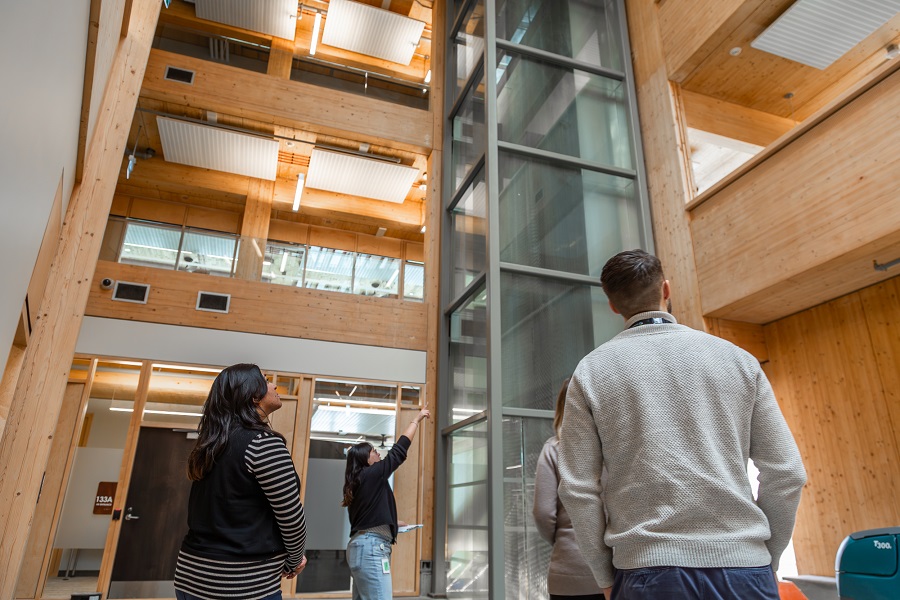
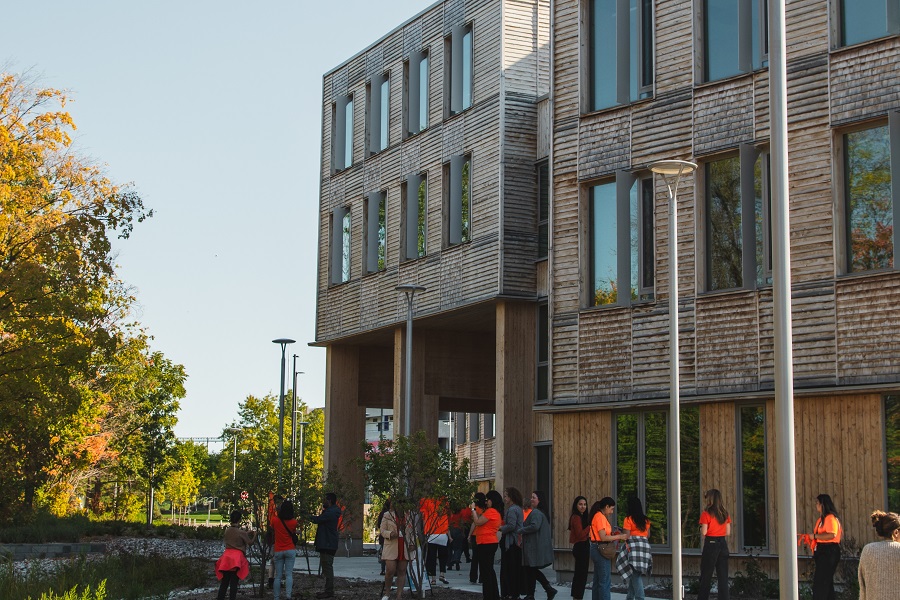
TRCA’s new Administrative Office Building has won global recognition for its innovative design.
In addition, TRCA’s Administrative Office Building was honoured with the 2025 Award of Excellence in Architecture from the AIA Canada Society. This prestigious award is presented to only one project annually.
As a result of this recognition, the building will represent Canada in the International Societies category at the 2026 American Institute of Architects Convention in San Diego, California, further elevating TRCA’s leadership in low-carbon, high-performance public infrastructure on the international stage.
Global Accolade for Tommy Thompson Park
Once a construction-waste disposal site, Tommy Thompson Park (TTP) is now a globally recognized model for urban ecological restoration, balancing biodiversity, recreation, and sustainability.
TRCA is a proud recipient of the 2025 New Sustainable Cities and Human Settlements Award for Global Model of Ecological Restoration and Protection, recognizing restoration and management work at TTP.
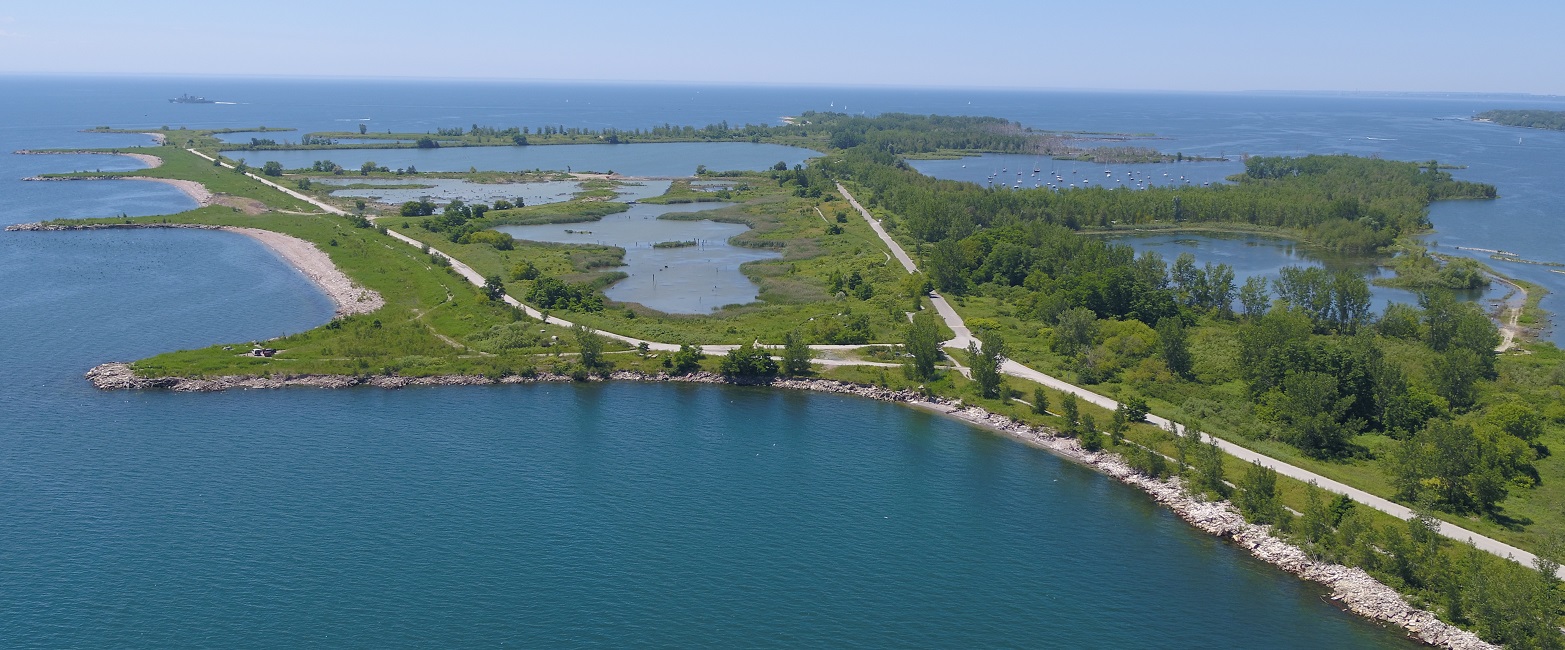
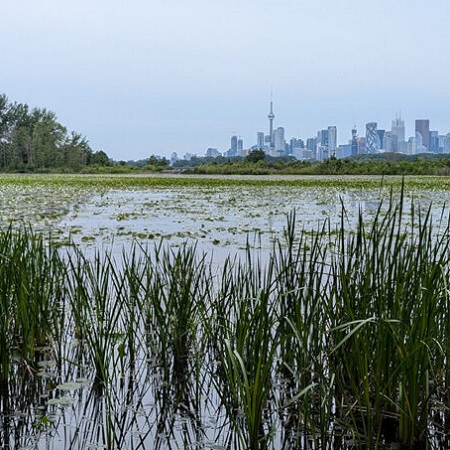
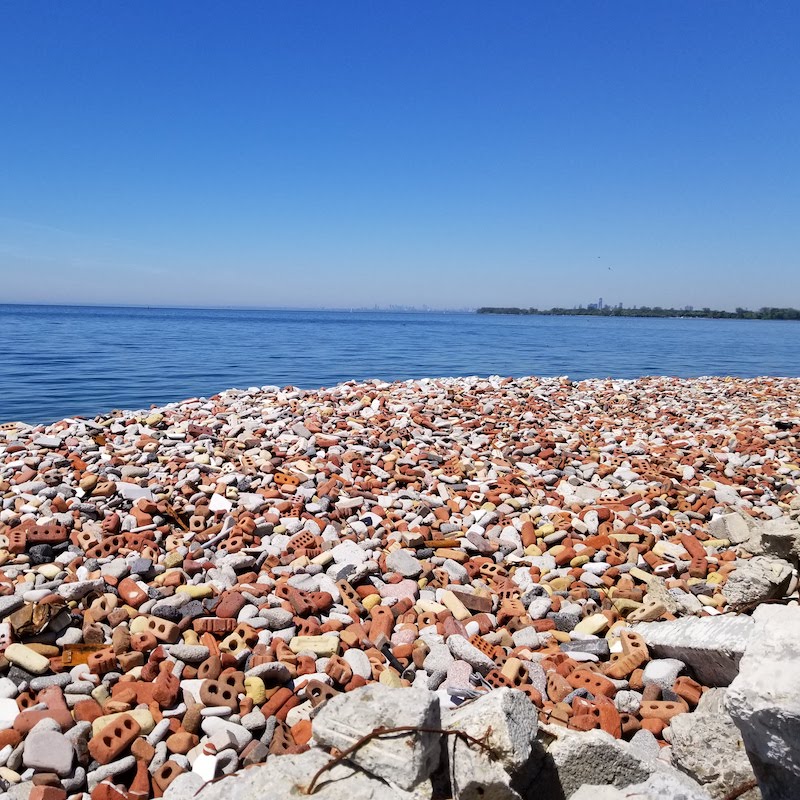
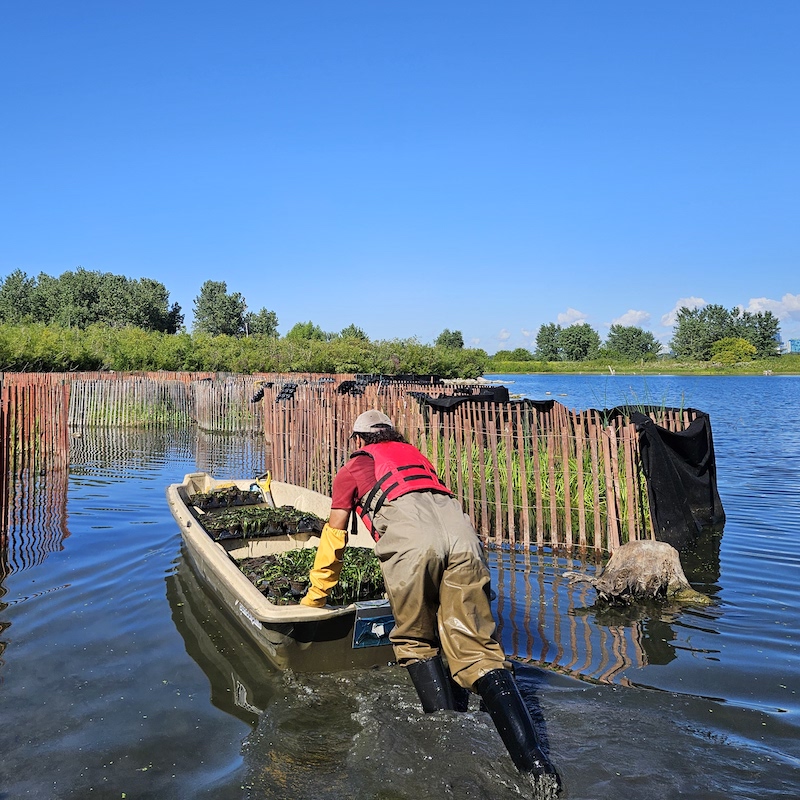
TTP’s habitats support a diverse community of flora and fauna species.
Presented in Geneva by the Global Forum on Human Settlements, supported by the UN Environment Programme (UNEP), this award celebrates leaders advancing the UN Sustainable Development Goals.
TRCA extends its gratitude to Indigenous knowledge holders, academic researchers, partners, funders, staff, volunteers, and community groups whose collective efforts made this achievement possible.
TRCA Named One of Canada’s Greenest Employers
In 2025, TRCA was recognized as one of Canada’s Greenest Employers, a national honour that reflects the organization’s long-standing leadership in environmental stewardship and sustainable workplace practices.
The designation highlights TRCA’s commitment to embedding sustainability into every facet of its operations, from conservation programs and community engagement to staff culture and corporate values.


TRCA has long been recognized as a leader in green initiatives and sustainable practices.
One of Greater Toronto’s Top Employers
In 2025, TRCA was named one of Greater Toronto’s Top Employers, an award that recognizes organizations for excellence in workplace culture, employee benefits, professional development, and community involvement.
This recognition reflects TRCA’s continued investment in building a supportive, inclusive, and high-performing workplace that enables staff to protect natural spaces, respond to environmental challenges, and help build more resilient communities across the region.
At the end of 2025, TRCA was recognized for a second consecutive year as one of Greater Toronto’s Top Employers for 2026, reinforcing the strength and consistency of this commitment.
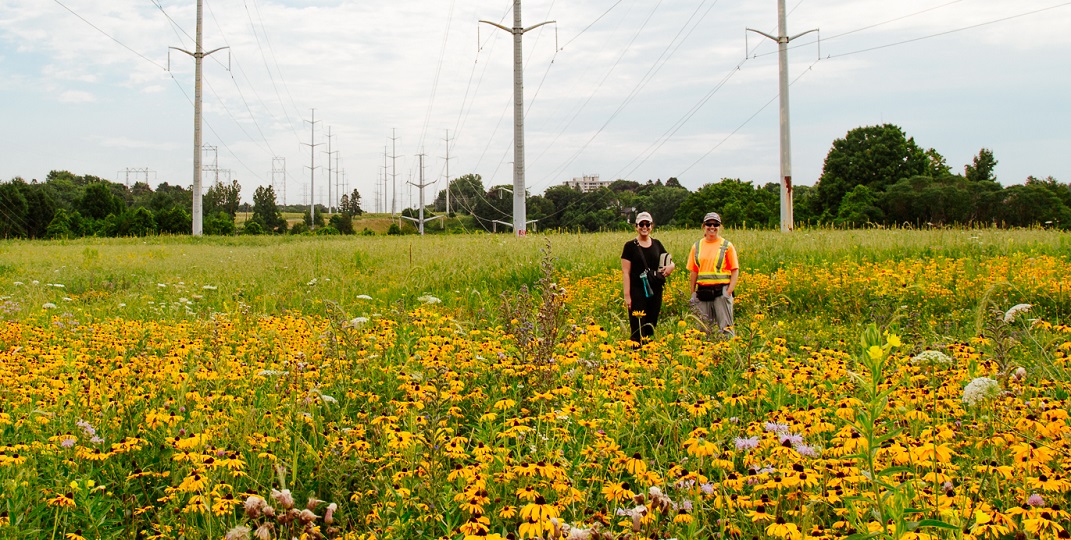
TRCA Youth Council: Inspiring Stewardship and Awareness through Conservation, Creativity, and Collaboration
TRCA’s Youth Council, representing the next generation of environmental leaders, grew to more than 800 members in 2025.
Council members, aged 16 to 30 and drawn from across TRCA’s jurisdiction, played an active role in advancing conservation, stewardship, and awareness initiatives throughout the year.
Youth-led activities included:
-
- TurtleFest at Heart Lake Conservation Park in partnership with the Ontario Turtle Conservation Centre, SCALES Nature Park, Heart Lake Turtle Troopers, Four Colours Drum Circle, and others.
-
- Stewardship events were also held within the Oak Ridges Moraine Conservation Reserve, including planting activities, pollinator walks, and litter cleanups in collaboration with the Jaffari Community Centre, Global Youth Leaders, and a local MPP’s youth volunteer group.
-
- A fall retreat featuring sustainability elements of TRCA’s Administrative Office Building and an eco-art activity session.
Youth Council members also represented their peers at TRCA events commemorating the National Day for Truth and Reconciliation, participated in project tours, and hosted virtual town halls on topics such as fast fashion, queer ecology, and moving beyond land acknowledgements.
In the News & Public Engagement
TRCA continued to strengthen its public profile in 2025 through earned media, thought leadership, and digital storytelling that reached new and diverse audiences.
Growing Digital Engagement through Feather Fridays
TRCA’s social media audience grew significantly in 2025 through Feather Fridays, a weekly Instagram and Facebook series filmed at the Tommy Thompson Park Bird Research Station (TTPBRS). Hosted by TRCA’s bander-in-charge, each episode highlights a different bird species, blending expert insight with engaging, short-form storytelling that brings urban biodiversity to life.
 TRCA’s Feather Fridays series proved a hit on social media.
The series became one of TRCA’s most viral digital initiatives, with strong engagement helping nearly triple TRCA’s social media audience while deepening public appreciation for birds, habitat, and seasonal wildlife patterns across the region.
Media, Panels, and Public Dialogue Highlights
-
- TRCA experts contributed to national and regional conversations on climate resilience through media appearances and public panels, including the Municipal World podcast and a Toronto Star climate resilience panel.
-
- TRCA staff shared international thought leadership at the High Line Network 2025 Policy Lab in New York City, presenting lessons from The Meadoway on integrating habitat into urban infrastructure.
-
- The Globe and Mail featured TRCA’s Administrative Office Building as a leading example of low-carbon, energy-efficient public infrastructure.
-
- Additional media coverage highlighted TRCA’s work on flood protection, urban wildlife management at Tommy Thompson Park, large-scale habitat restoration through The Meadoway, and community-led action to address food insecurity in Rexdale (click the thumbnail below to watch the video).
4.4 |
Transparent decision-making and accountable results |
TRCA measures and evaluates performance to inform outcome-based decision-making.
Annual Audit
The 2024 Audited Financial Statements were issued with an unqualified auditor’s report, demonstrating transparency and compliance with financial reporting standards.
Optimizing Processes and Procedures
Maintaining up-to-date policies and procedures is essential to aligning with current legislation and best practices, mitigating organizational risk, and supporting continuous improvement.
In 2025, 88% of corporate policies were reviewed, and 18 new or updated policies and guidelines were approved and implemented.
To support efficiency and transparency in governance and reporting, a total of 53 eSCRIBE and report-writing training sessions were delivered to staff, strengthening knowledge and effective use of TRCA’s internal meeting management platform.
Accountability Through Information Sharing
Freedom of Information requests provide an important mechanism for public access to information, supporting openness and transparency in organizational decision-making.
In 2025, TRCA processed 44 Freedom of Information requests, with 34 new requests received in-year, and closed a total of 57 requests, including those carried over from 2024.
This work reflects TRCA’s ongoing commitment to accountability, transparency, and building public trust.
Advancing Safe and Secure Properties
In 2025, 93% of planned and budgeted priority repairs and replacements were completed on TRCA properties, in addition to responding to unplanned repairs and maintenance needs as they arose. These efforts support the advancement of TRCA’s property portfolio through consistent execution of the State of Good Repair capital plan.
Coasts You Can Count On
Powered by a significant federal partnership with the newly established Canada Water Agency (CWA), TRCA is accelerating resilience across the region.
Through highly successful funding applications, TRCA secured support through the Great Lakes Freshwater Ecosystem Initiative (FEI), helping unlock $7.8M in combined TRCA and partner investment for 8 transformative projects.
These projects reflect TRCA’s ability to leverage federal dollars to deliver high-impact local results:
- Protecting communities from flooding and erosion
- Restoring critical habitats
- Safeguarding important public infrastructure
They also offer a window into the breadth of work underway: from enhancing scientific governance and lake health monitoring, to strengthening biodiversity through nearshore habitat improvements, to building resilient shorelines and communities that can withstand, and thrive, in a changing climate.
 TRCA supports the Canada Water Agency in its efforts to share and mobilize knowledge across the Great Lakes region.
TRCA SENIOR LEADERSHIP TEAM
As of December 31, 2025

John MacKenzie

Linda Charlebois, Director

Richard Ubbens, Director

Sameer Dhalla, Director

Darryl Gray, Director

Wendy Law, Director

Laurie Nelson, Director

Anil Wijesooriya, Director

Cynthia Ogbarmey-Tetteh, Chief Human Resources Officer
TRCA JURISDICTION & BOARD OF DIRECTORS
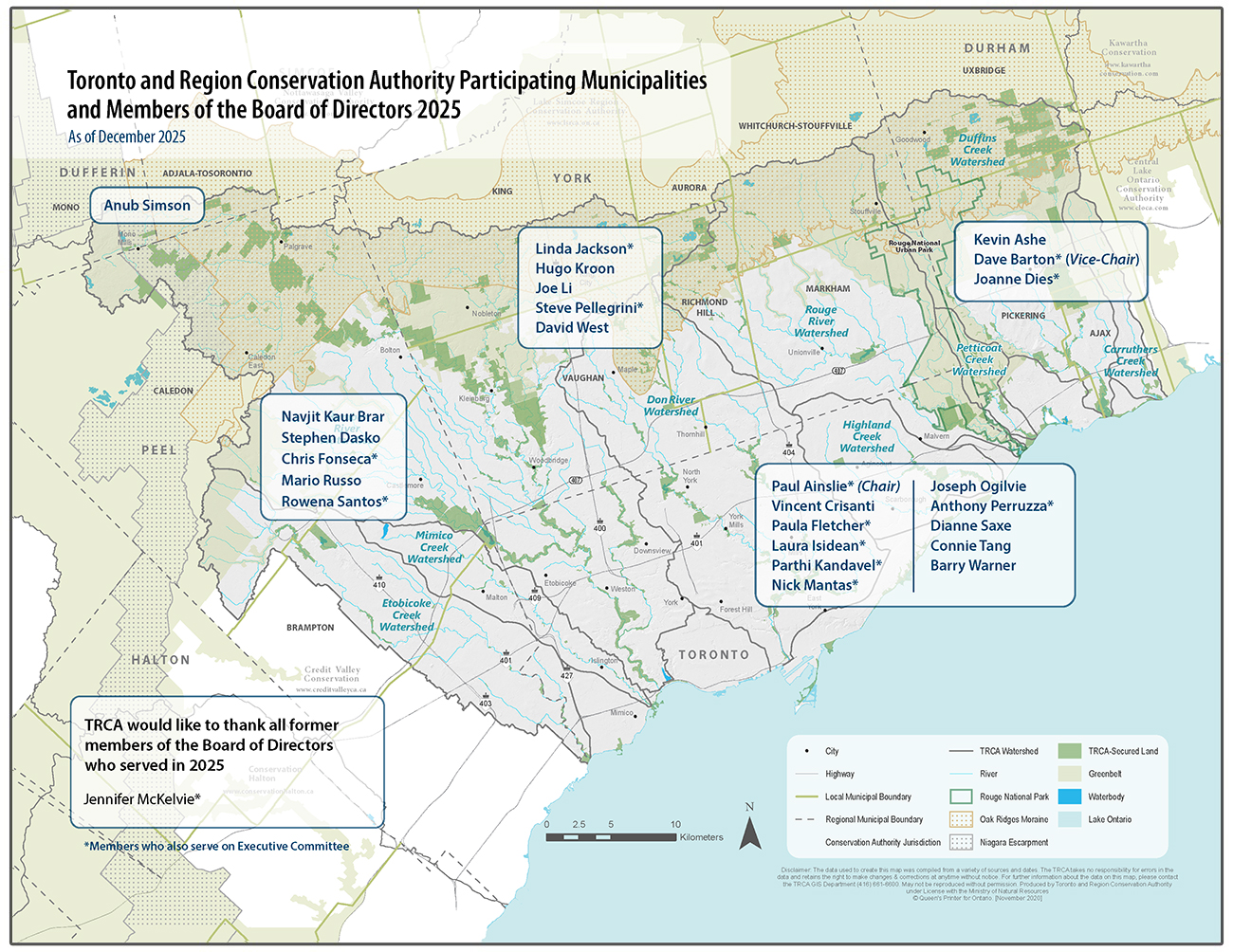
TRCA ADVISORY BOARDS AND COMMITTEES
REGIONAL WATERSHED ALLIANCE – Click to View
The Regional Watershed Alliance is an advisory committee to TRCA’s Board of Directors and part of TRCA’s Community Engagement Strategy 2017-2027. It comprises diverse community members from across the Greater Toronto Area, including representation from TRCA’s Youth Council.
2025 Members
| TRCA Board of Directors Members |
| Councillor Chris Fonseca (City of Mississauga) |
| Councillor Mario Russo (Town of Caledon, Peel Region) |
| Watershed Residents |
| Christine Beaudoin (City of Toronto, Don River) |
| Katie (Kyra) Doreen (York Region, Humber River) |
| Alison Howson (York Region, Don River) |
| Markelle Morphet (Toronto, Humber River) |
| Swapna Mylabathula (City of Toronto, Etobicoke Creek) |
| Deborah Schulte (King-Vaughan, Rouge River, Don River, Duffins Creek, Humber River) |
| Maria Shamim (Durham Region, Carruthers Creek) |
| Don Sinclair (Mono, Humber River) |
| Michele Thomas (City of Toronto, Lake Ontario Waterfront) |
| Emmanuel Ugwu (Peel Region, Etobicoke Creek) |
| Natalija Vojno (York Region, Humber River) |
| Sector Experts and Organizations |
| Brampton Environmental Alliance: Chaya Chengappa (City of Toronto, Etobicoke Creek, Mimico Creek, Humber River) |
| The Centre for Community Energy Transformation: Tony Iacobelli (City of Brampton, Etobicoke Creek, Humber River) |
| Clean Air Partnership: Gaby Kalapos (City of Toronto, All) |
| Humber River Citizens Alliance: Anna-Louise (City of Toronto, Humber River) |
| Waterfront Regeneration Trust: Marlaine Koehler (City of Toronto, Humber River) |
| Municipal Representatives |
| Tom Bradley (York Region) |
| Councillor David Pickles (City of Pickering, Durham Region) |
| Councillor Gord Shreeve (Uxbridge Township, Durham Region) |
| Provincial Representative |
| Hon. Graham McGregor (Brampton North) |
| Federal Representative |
| MP Robert Oliphant (Don Valley West) |
| Youth Council Representatives |
| Adam Mawani |
| Bethany Williams |
PARTNERS IN PROJECT GREEN EXECUTIVE MANAGEMENT COMMITTEE – Click to View
The Partners in Project Green Executive Management Committee supports a growing community of businesses working together to advance environmental action and economic prosperity across the Greater Toronto Area and reports to TRCA’s Board of Directors.
2025 Members
| NAME | POSITION | ORGANIZATION |
|---|---|---|
| One (1) GTAA Member | ||
| Todd Ernst (Co-Chair) | Director, Aviation Infrastructure, Energy & Environment | Greater Toronto Airports Authority (GTAA) |
| TRCA’s Chief Executive Officer | ||
| John MacKenzie | Chief Executive Officer | Toronto and Region Conservation Authority (TRCA) |
| Up to Four (4) Municipal Representatives | ||
| Chris Fonseca | Councillor | City of Mississauga |
| Anthony Perruzza | Councillor | City of Toronto |
| David West | Mayor | City of Richmond Hill |
| Up to Eight (8) Business Representatives | ||
| Erica Brabon | Director, Energy & Sustainability | Black and McDonald |
| Michelle Brown (Co-Chair) | Vice President, Property Management | BentallGreenOak |
| Claudia Dessanti | Manager of Stakeholder Engagement | IESO |
| Maxx Kochar | Chief Business Officer | Silver Dart Group |
| Catherine Leighton | Senior Strategy Manager, Circular Economy, Sustainability and Environment | TELUS |
| Katelyn Poyntz | Director, Project Engineering & Energy | Unity Health Toronto |
| Carolyn Scotchmer | Executive Director | TD Friends of the Environment Foundation |
| Up to One (1) Community Representative | ||
| Up to Three (3) Members at Large | ||
| Gina Antonacci | Senior Vice President, Academic | Humber College |
| Leah Nacua | Manufacturing Consortium Manager, Toronto & GTA | Excellence in Manufacturing Corsortium |
| Christine Tu | Director, Office of Climate Change and Energy Management | Peel Region |
| Ontario Chamber of Commerce | ||
| Andrea Cormona | Senior Manager of Public Affairs | Ontario Chamber of Commerce |
NATURAL SCIENCE AND EDUCATION COMMITTEE (NSEC) – Click to View
The Natural Science and Education Committee (NSEC) is an advisory board of TRCA’s Board of Directors and was formed as a result of recommendations from the Outdoor Education Task Force (OETF).
2025 Members
| Stan Cameron | Peel District School Board |
| Monique Forster | Durham Catholic District School Board |
| Angela Grella | York Catholic District School Board |
| Pamela McCarthy | York District School Board |
| Deborah Oldfield | Durham District School Board |
| Anu Sriskandarajah | Toronto District School Board |
| Connie Tang | TRCA Board Member |
| Garry Tanuan | Toronto Catholic District School Board |
| Thomas Thomas | Dufferin Peel Catholic School Board |
| David West | TRCA Board Member |