Benthic macroinvertebrates are small organisms that live on the bottom of streams, rivers, and lakes. They are useful as water quality indicators because they have relatively long lifespans and are sensitive to changes in the aquatic environment.
What Are We Monitoring?
Benthic macroinvertebrates include insects, worms, mollusks, and crustaceans.
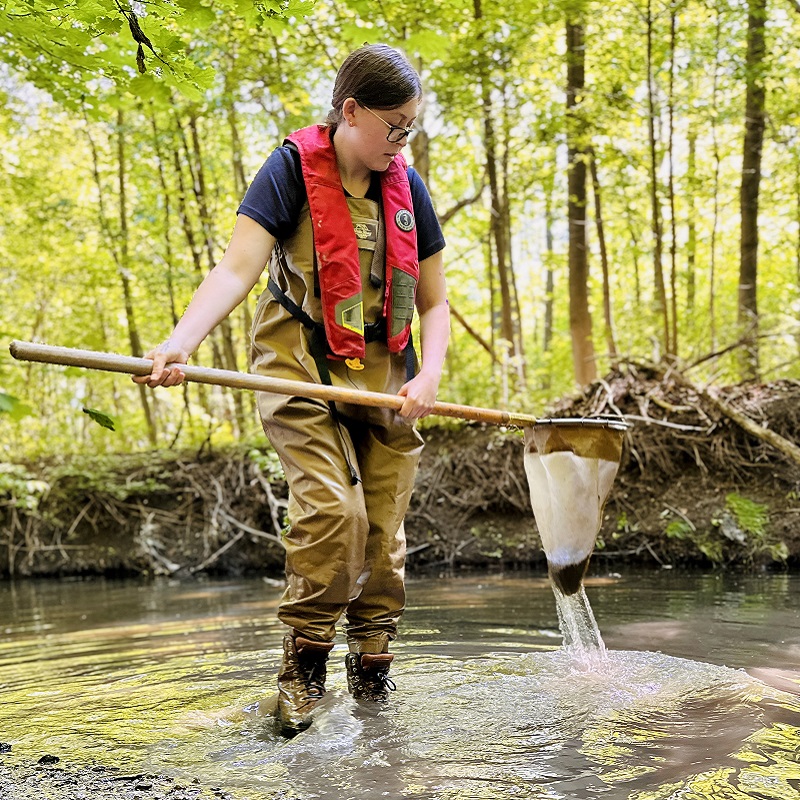
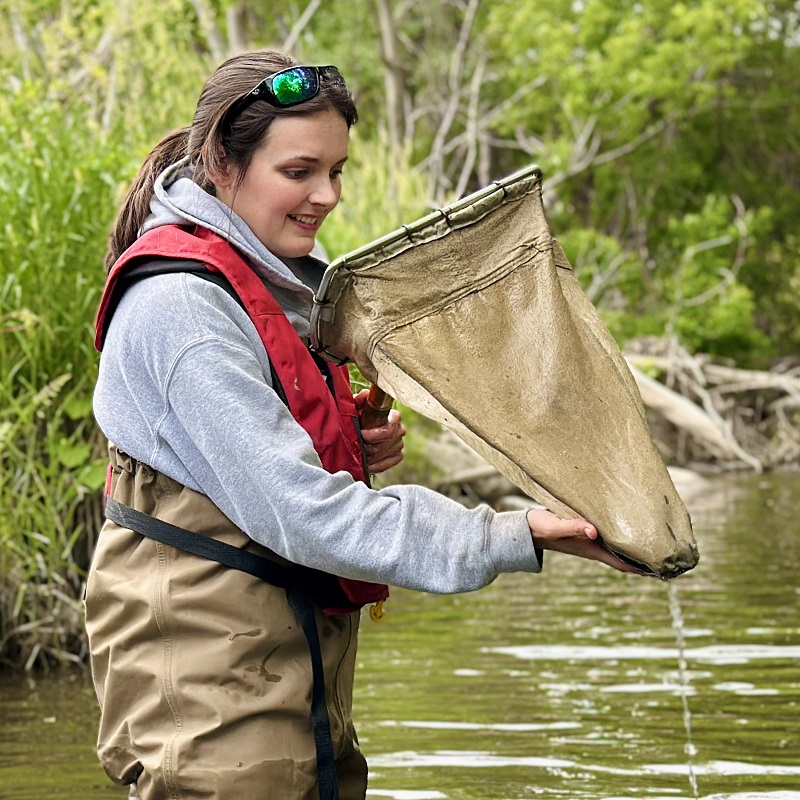
Each year, Toronto and Region Conservation Authority (TRCA) biologists collect samples from more than 150 monitoring stations across the region and identify the organisms to the lowest practical taxonomic level, typically genus or species.
In a typical monitoring year, TRCA collects and identifies more than 50,000 benthic macroinvertebrates. The composition of these communities provides valuable information about the health of streams, rivers, and other aquatic ecosystems.
The data support TRCA’s long-term Regional Watershed Monitoring Program and are also used to inform research, assess the effects of development, evaluate habitat restoration projects, and support environmental assessments.

What Are The Data Telling Us?
Benthic macroinvertebrate communities remain stable in most watersheds in the Toronto region.
The healthiest benthos communities are generally found in the headwater regions of larger watersheds, while declines are more evident in smaller, more urbanized watersheds such as Highland Creek.
Good news! Some sensitive benthos populations continue to persist in parts of the heavily urbanized Don River watershed, highlighting the importance and potential of ongoing conservation and restoration efforts.
Select the image below to view TRCA’s Benthic Communities in Streams dashboard.

Visit our Watershed & Ecosystems Reporting Hub to learn more
Resource Library
Contact
TRCA Watershed Planning and Ecosystem Science: wpes@trca.ca