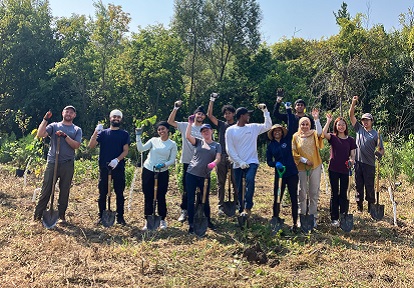

Toronto and Region Conservation Authority (TRCA) is a global leader in ecological restoration, with more than 60 years of experience protecting, enhancing, restoring, managing, and monitoring natural systems and habitats.
Why is Ecosystem Restoration, Enhancement, and Protection Important?
“There has never been a more urgent need to revive damaged ecosystems than now. Ecosystems support all life on Earth. The healthier our ecosystems are, the healthier the planet – and its people.”
— United Nations Decade on Ecosystem Restoration 2021-2030
Like the UN’s Decade on Ecosystem Restoration’s mandate, TRCA’s Restoration and Resource Management team continues to work to restore and enhance the health and function of ecosystems.
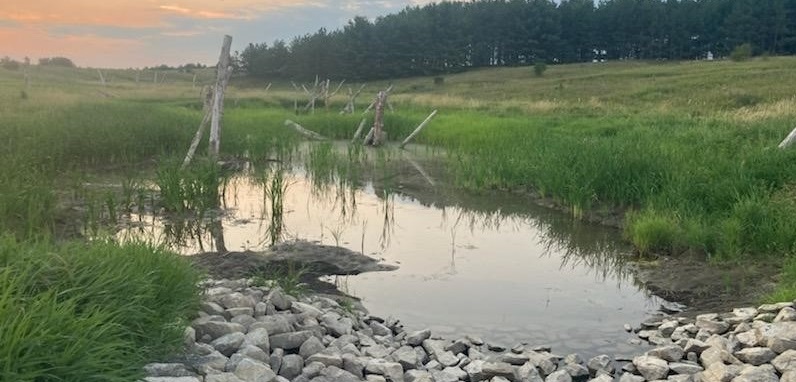
Restoring, enhancing, managing, and protecting our ecosystems provides a wealth of benefits to humans and nature.
VIEW EXAMPLES
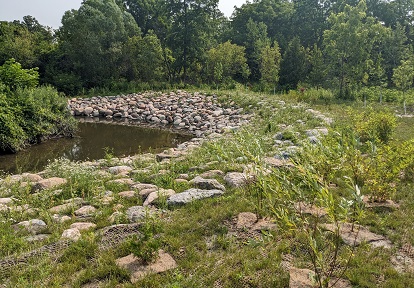
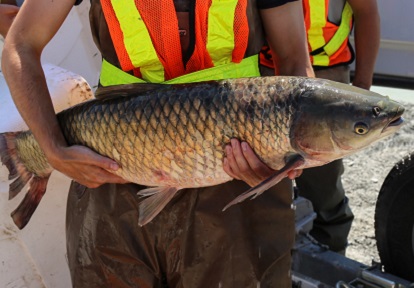
- Clean freshwater resources that protect and improve water quality and support wildlife, including native fishes
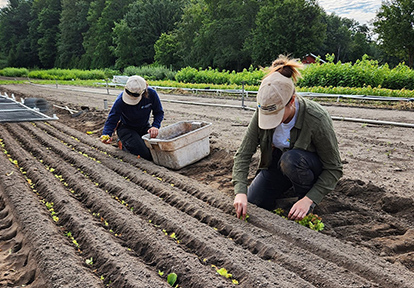
- Healthy soils that help filter water, promote native species, and store carbon
- Native plant communities that provide wildlife habitat, buffer weather extremes, prevent erosion and soil loss, improve aesthetics, and store carbon
- Robust wetlands that provide wildlife habitat, improve water quality, attenuate flooding, reduce erosion, and mitigate droughts
- Improved ecosystem resilience in the face of climate change and urbanization
- Support native plant and animal populations and habitat niches to protect and enhance biodiversity and ecosystem services

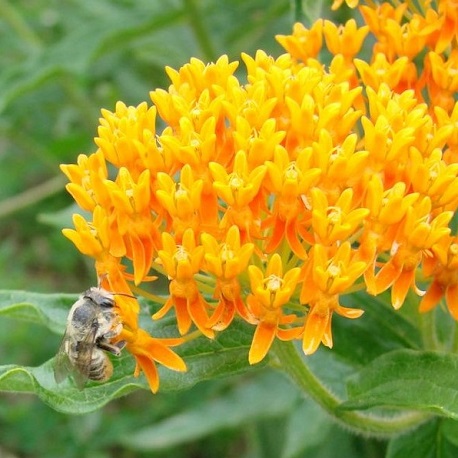

Investing in ecological restoration and management means investing in the water we drink, the air we breathe, and the soil that grows our food.
Restoring ecosystems now provides immediate benefits that continue to grow as ecosystems mature, benefiting generations to come.
Private Landowner? Get Involved
The best time to plant a tree was 20 years ago. The second-best time is now.
How TRCA Manages our Natural Infrastructure and Natural Systems
TRCA strategically identifies, plans, implements, manages, and monitors projects to protect, restore, and enhance natural cover, aquatic resources, ecosystem function, and wildlife habitat.
LEARN MORE
These ecological restoration and management projects are essential to maintaining a robust and resilient natural system that benefits human health and well-being, especially as the Greater Toronto Area continues to experience environmental pressures of urbanization and climate change.
TRCA restores and manages a variety of impaired land cover types including:
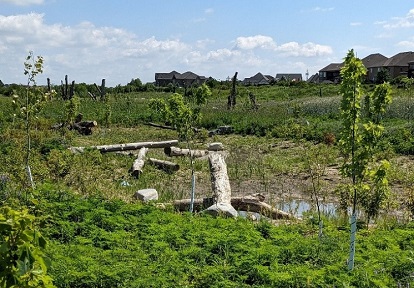
TRCA also restores essential wildlife habitat and implements low impact development projects in urban environments.
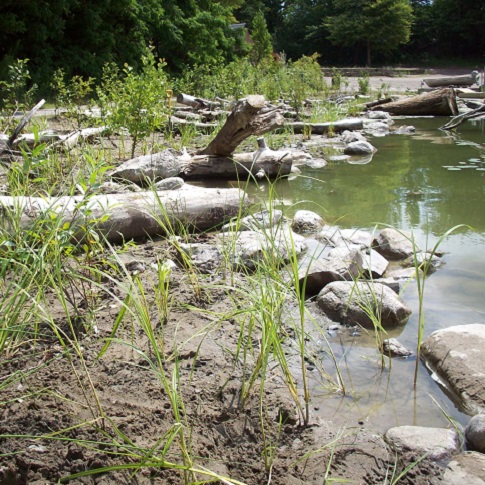

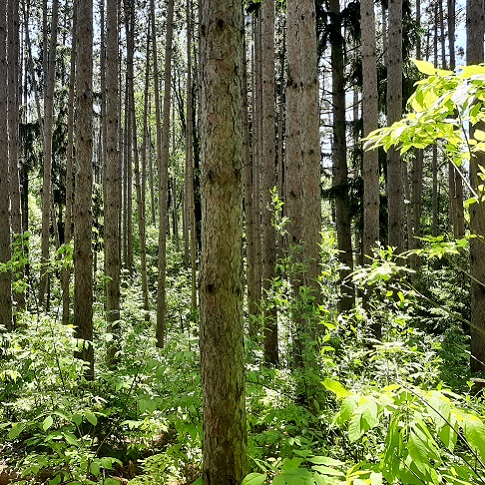
TRCA works with federal, provincial, regional, municipal, non-governmental organizations, and private land owners to complete these projects.
Funding for these projects comes from multiple sources, including municipal levy, grants, donations, and corporate investments.
Strategic ecological restoration is guided by the Integrated Restoration Prioritization (IRP) process, which directs site selection to provide the maximum benefit to natural system function.
TRCA regularly applies science-informed research and monitoring techniques to restoration projects and quantify restoration benefits.
About Integrated Restoration Prioritization (IRP)
TRCA and partners have developed a multi-discipline and multi-benefit approach to restoration prioritization. The IRP enables restoration outcomes that help to realize the objectives of TRCA, partners, funders, and private landowners.
Effective ecosystem restoration requires an integrated approach, considering many components of the natural system when prioritizing where and what to restore.
This approach, called Integrated Restoration Prioritization (IRP), is a process of combining various strategies, plans, and initiatives aimed at improving both terrestrial and aquatic systems to prioritize action and restoration.
The IRP uses environmental data to identify ecosystem impairments that, if restored, would have the most benefit to the environment.
The IRP consolidates natural heritage data to compare discrete areas, as it relates to environmental impairments and natural heritage potential. The scores are combined to give the catchment an overall priority for restoration: low, medium or high, as well as an added “protection” category to highlight areas of existing high ecological value.
Types of Ecological Restoration and Management Projects