
Toronto and Region Conservation Authority (TRCA) has completed a Floodplain Wetland Project within the Nashville Conservation Reserve (NCR), east of the Town of Bolton.
Project Location
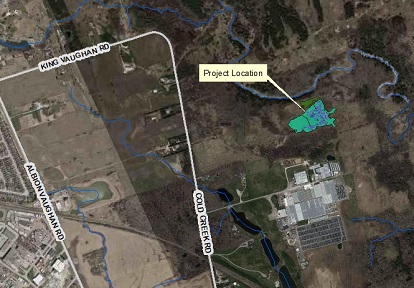
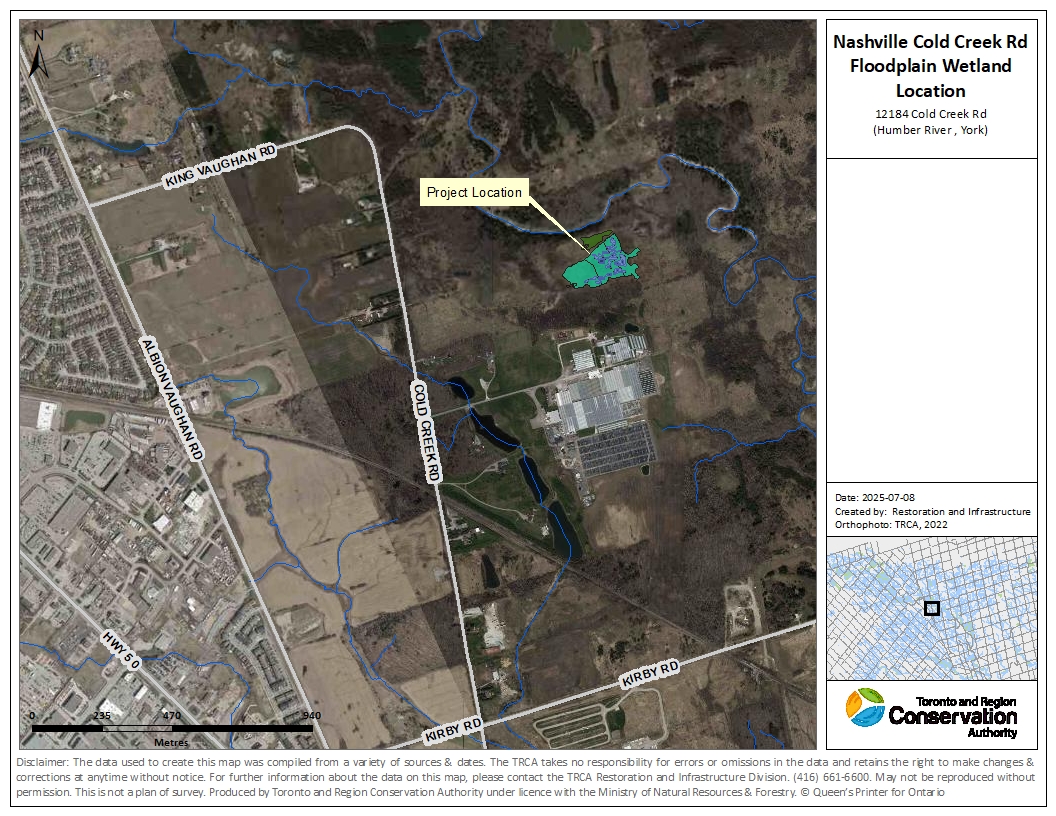
The project site lies one kilometer north of the intersection of Cold Creek Road and Kirby Road, in Vaughan. The project area is within the Main Humber River watershed, approximately one hundred (100) meters south of the Humber River (Figure 1).
Select the image below to view full-sized.
Project Background
Upstream of the project area, TRCA has previously restored two other wetlands, one in 2024 and another in 2007, both designed to support amphibians.
The primary objective of the new wetland is to enhance aquatic habitat by creating wetland pockets and improving floodplain hydrology. The proposed wetland will complement previously completed restoration by providing new habitat for native flora and fauna.
The project will also help improve wetland health, enhance water filtration, and increase habitat complexity across this ecologically significant site.
The Nashville Conservation Reserve is a critical greenspace in the upper Humber River watershed and contains a wide variety of wildlife habitats, including deer wintering areas and migratory corridors.
Project Overview
Select the image below to view full-sized.
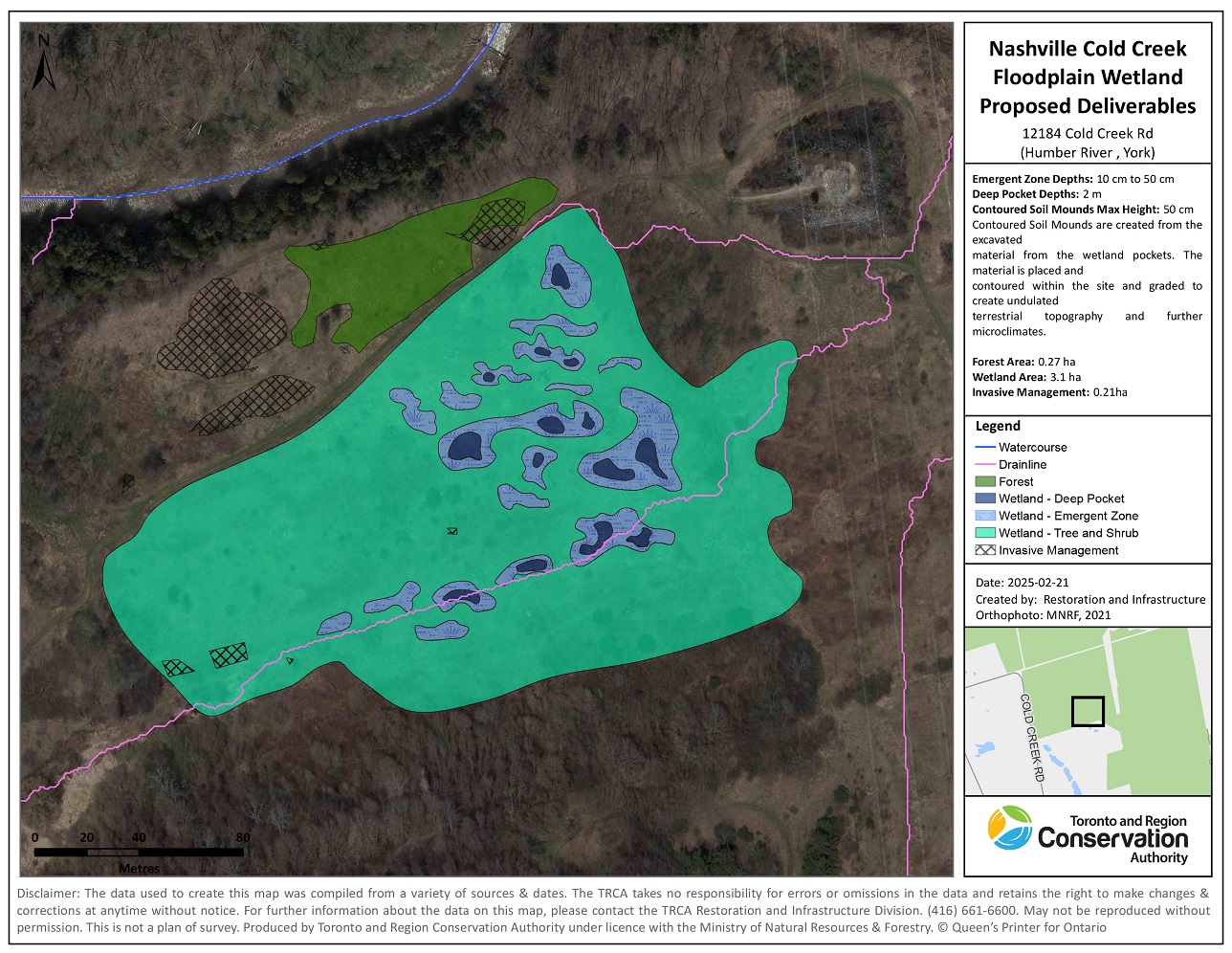
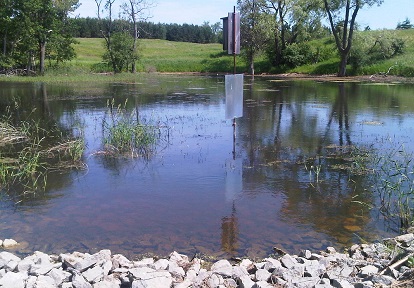
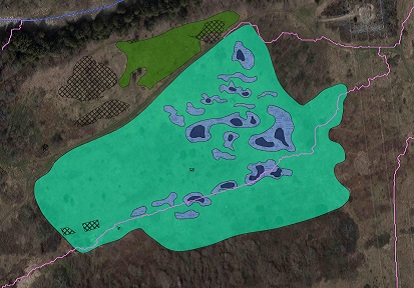
This project will improve frog habitat by constructing wetland pockets that hold surface drainage and improve groundwater recharge.
Additional benefits include increased wetland cover, improved water quality, reduced sediment transport, and restored natural cover through native plantings.
Key Goals:
- Construct and enhance wetland pockets within the floodplain
- Break up legacy tile drains where they exist to retain water on site
- Plant native trees, shrubs, and wetland species
- Install habitat structures and woody debris