
PART ONE: Wildlife Discoveries and Success Stories
A dedicated group of Toronto and Region Conservation Authority (TRCA) biologists collect important data on the incredible diversity of species living in our forests, wetlands, meadows, rivers, and lakes.
Each year, this data helps us determine the conservation actions needed to keep our natural environment healthy and thriving, for the benefit of both people and wildlife.
This information guides critical decisions, from restoring habitats to managing land use and protecting water resources.
Every season brings new discoveries and inspiring success stories. In this two-part blog series, we share some of the most captivating field highlights from Toronto and the surrounding region in 2025.
Dive into our wildlife stories below:
Elktoe (Alasmidonta marginata)
An exciting discovery this season! We found a shell of the sensitive freshwater Elktoe mussel in the cool, shaded waters of the Nashville Conservation Reserve.
Elktoes live quietly beneath the streambed, filtering water and helping to keep rivers clean. They depend on clear, flowing water, stable gravel beds, and healthy fish populations to complete their life cycle. The upper Humber River provides the kind of habitat they need to survive.
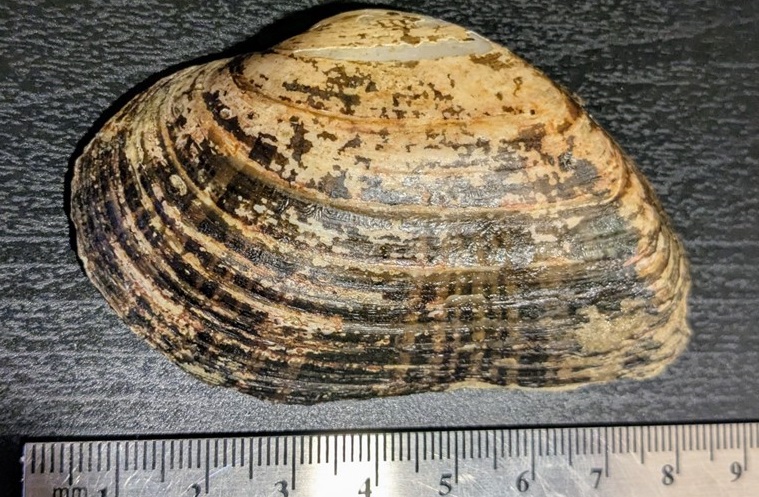
Once common across southern Ontario, Elktoes have declined in many rivers due to pollution and habitat loss. Their presence here is a reminder of the importance of protecting cold, healthy streams and the wildlife they support.
Continued monitoring will help us learn whether this finding represents a lasting population or a rare remnant of the Humber River’s natural past.
Predatory dance fly larva (Oreogeton sp.)
Small but mighty, the predatory dance fly larva we found this season is an active hunter that lives among mossy stones in cold, fast-flowing streams. We discovered it at Greenwood Conservation Area during TRCA’s long-term Regional Watershed Monitoring Program. This is an exciting find, as it is our first record of the cold-water genus Oreogeton within TRCA’s jurisdiction.
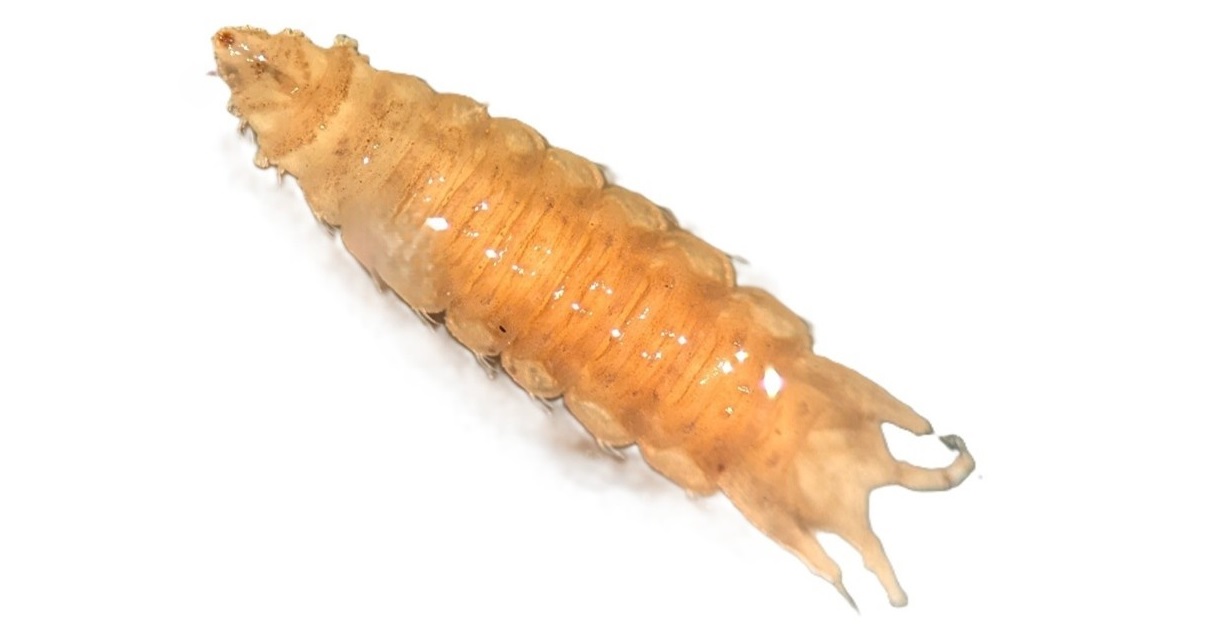
Dance flies as a group are fairly widespread, and some relatives, such as species of Hemerodromia, can be found in a wider range of stream types, including warmer or slower waters. Oreogeton, however, seem to be more of a specialist, favouring cold, clean, well-oxygenated creeks, and are rarely collected in our region.
Most of the time, these larvae stay hidden underwater, feeding on other tiny aquatic invertebrates. For a brief period in late spring or early summer, the adults emerge and gather in swarms above the stream, hovering and darting together in mid-air in a courtship “dance” that gives the group its common name.
Finding Oreogeton highlights the remarkable biodiversity tucked away in our streams.
Brook Trout (Salvelinus fontinalis)
Brook Trout is a cold-water fish native to Ontario. It is increasingly threatened by climate change, invasive or stocked species, habitat fragmentation, and land-use changes.
This species depends on a year-round supply of cold, clear water, conditions that only exist in the upper portions of three TRCA watersheds: Humber River, Rouge River, and Duffins Creek.
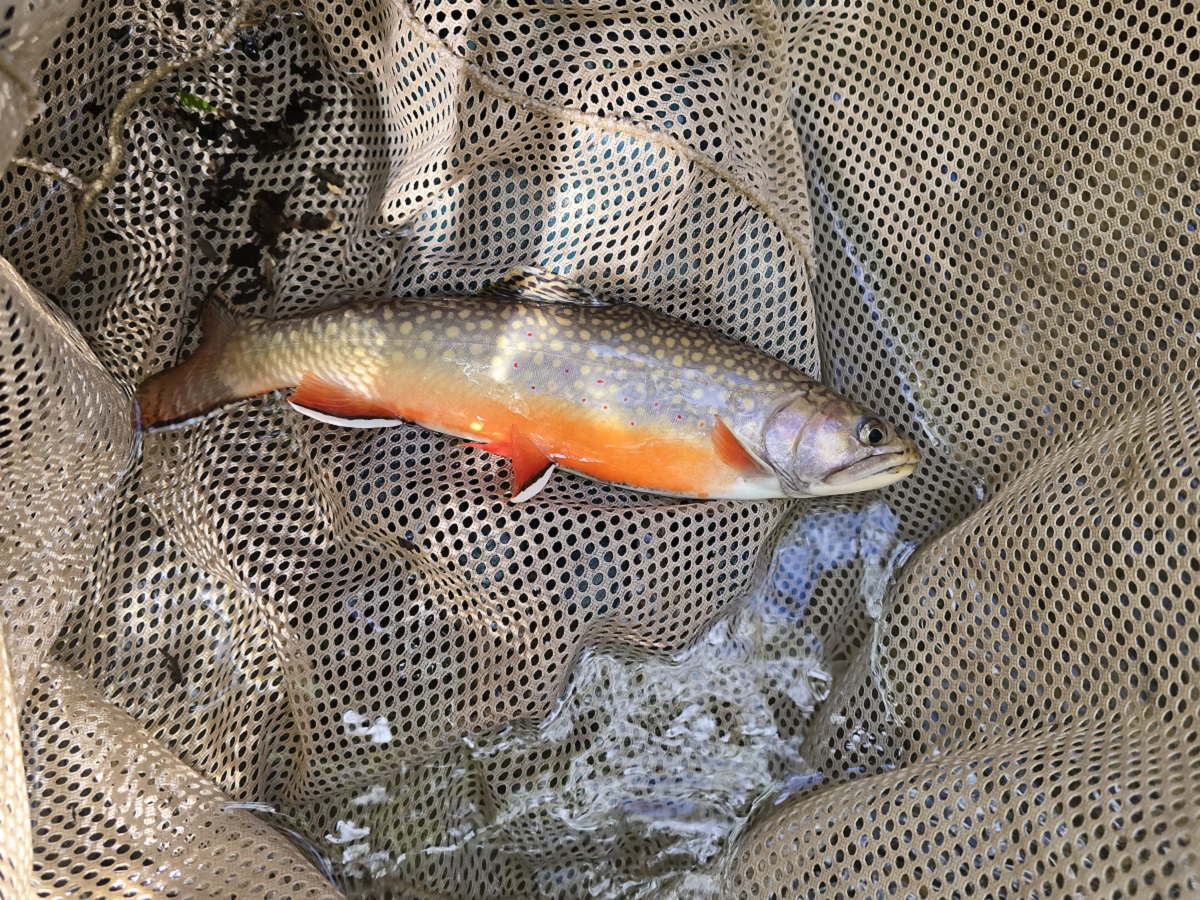
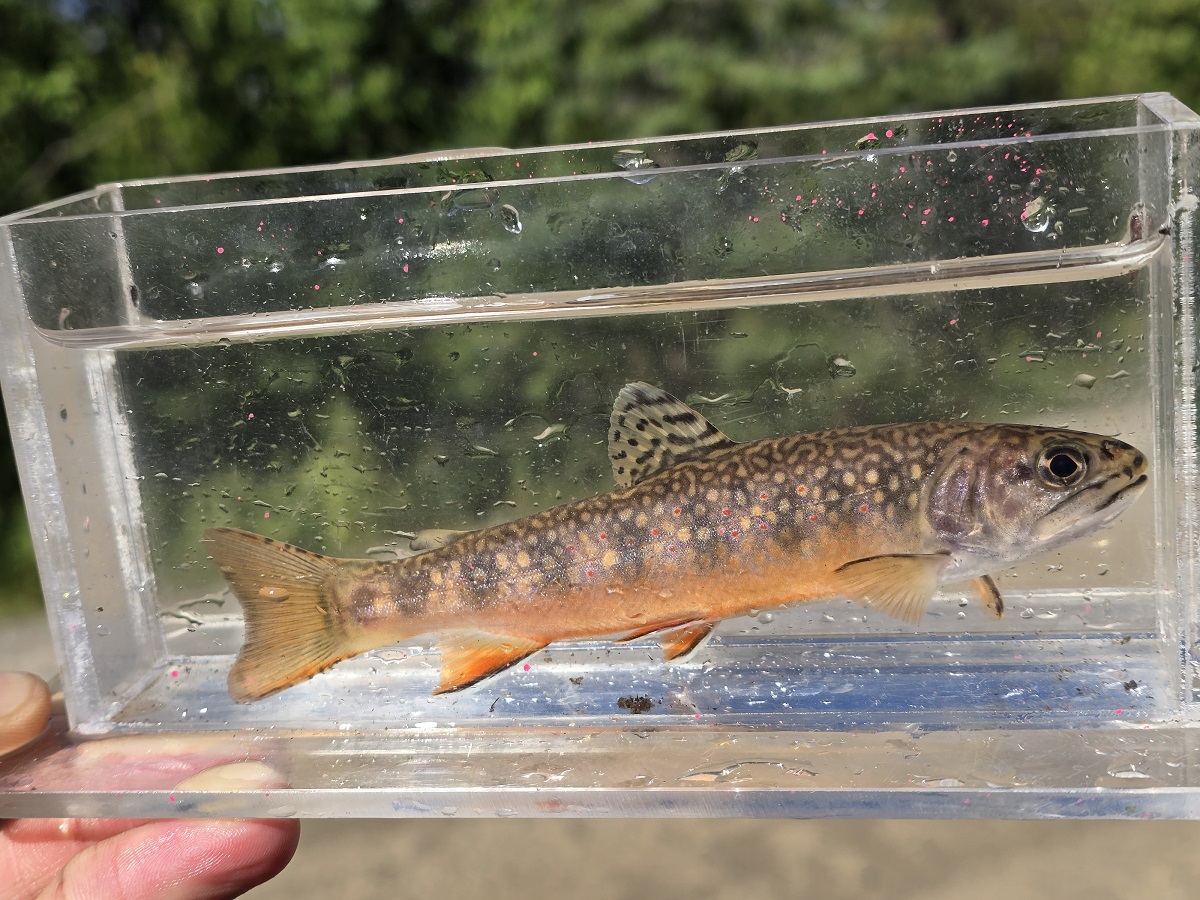
This year, TRCA sampled several sites outside our long-term Regional Watershed Monitoring Program (RWMP) and was pleased to find Brook Trout in several locations.
The fish shown below in the first photo was the second largest recorded by TRCA within our jurisdiction in the more than 25 years since the RWMP began.
Wood Frog (Lithobates sylvaticus)
Wood Frogs are among the earliest amphibians to emerge in spring. Recently, we observed them in some of our jurisdiction’s more remote forests and wetlands, areas that remain well-protected from development.
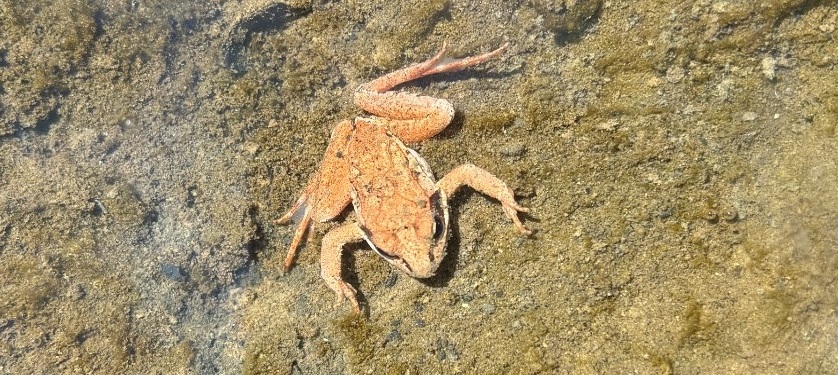
From early to mid-April, male Wood Frogs produce a unique mating call that sounds like a soft chuckle. (You can listen to it HERE, courtesy of the Toronto Zoo’s Adopt-A-Pond Wetland Conservation Program.) If you’re walking near wetlands during this time, listen closely: you might hear them!
Carolina Wren (Thryothorus ludovicianus)
We were lucky to snap a few bird photos this year, including one of a Carolina Wren. Although this small species is typically found farther south in the U.S., it has recently begun appearing in Toronto’s ravines, likely due to increasingly mild winters. Local populations could experience significant declines during harsh winters marked by heavy snowfall and extreme cold.
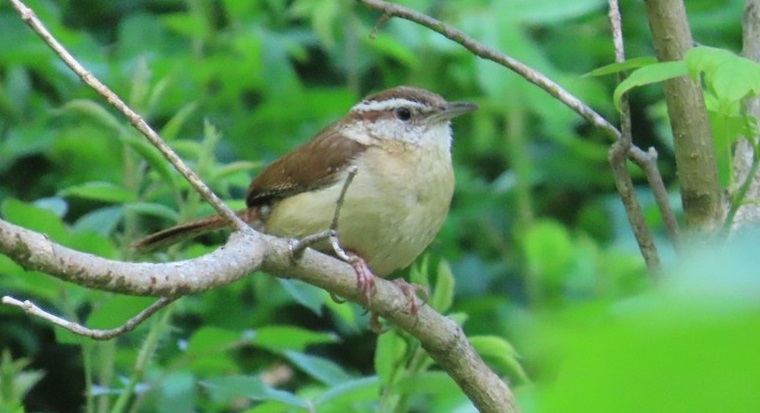
Carolina Wrens are great at finding creative places to build their nests. As cavity nesters, they prefer small, sheltered spaces. You might find their nests in tree cavities and stumps, upturned roots, nest boxes, or even in unexpected places like mailboxes, old shoes, and coat pockets!
Sedge Wren (Cistothorus stellaris)
The Sedge Wren is one of the more mysterious bird species found in our region! These tiny songbirds are known for their unpredictable breeding behaviour. For example, they may be present in a wetland for one year and absent the next. This makes them a rare species to find.
Interestingly, they often build several nests, likely as a clever strategy to confuse predators and protect their young.

Sedge Wrens have only been observed twice during breeding bird surveys over the past decade. Because they are ranked as a Species of Conservation Concern, every sighting is important for monitoring their status and understanding their habitat needs within our jurisdiction.
Painted Turtle (Chrysemys picta marginata) and Snapping Turtle (Chelydra serpentina serpentina)
Turtle sightings on the Toronto Islands were plentiful this year! All five species in the Toronto region are considered Regional Species of Conservation Concern. Their survival is mainly threatened by urban development (e.g., roads fragmenting their habitats) and human activities (e.g., road salt pollution).
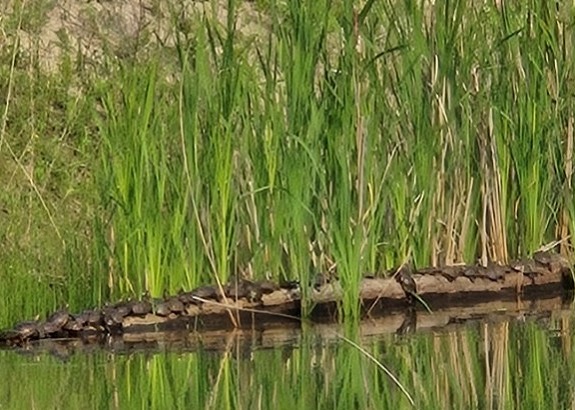

The first photo above shows a group of Painted Turtles of different ages basking in the sun. The small Snapping Turtle in the second photo is probably less than five years old. Seeing turtles at various stages suggests they are successfully nesting along the Toronto waterfront and avoiding common urban predators such as raccoons and skunks.
Fish Communities in the New Don River
The Aquatic Monitoring and Management team has been actively monitoring fish, aquatic habitat, and water quality in the newly created Don River mouth and surrounding wetlands.
Acoustic receivers, as part of the Toronto Harbour Acoustic Telemetry Project, were also deployed to track tagged fish movements, complementing electrofishing, minnow trapping, and underwater video surveys. These data will help assess how fish use the new habitats and support long-term performance evaluation.
To date, aquatic vegetation is establishing well, providing important habitat for fish and other aquatic life. Early fisheries results are encouraging! Nine fish species have been observed in the new wetlands, and 14 have been surveyed through boat electrofishing.
Notably, the first Atlantic Salmon recorded within the project area since 2012 was observed at the mouth of the Keating Channel, along with the first Emerald Bowfin documented upstream of Lake Shore Boulevard in the Don watershed.
These natural wonders and discoveries – from mysterious birds and amphibians to fascinating fish and mussels – reveal the rich biodiversity of TRCA’s jurisdiction and demonstrate the importance of monitoring efforts to safeguard these remarkable species.
Visit Part 2 of this blog series to learn about the unique plants and vegetation communities we found this year.
Spotted some interesting wildlife in your area? Share your observations with TRCA on Instagram, Facebook, LinkedIn, or X.
Scientific data collection and research inform decisions affecting the natural areas and watercourses within our region. Learn more!