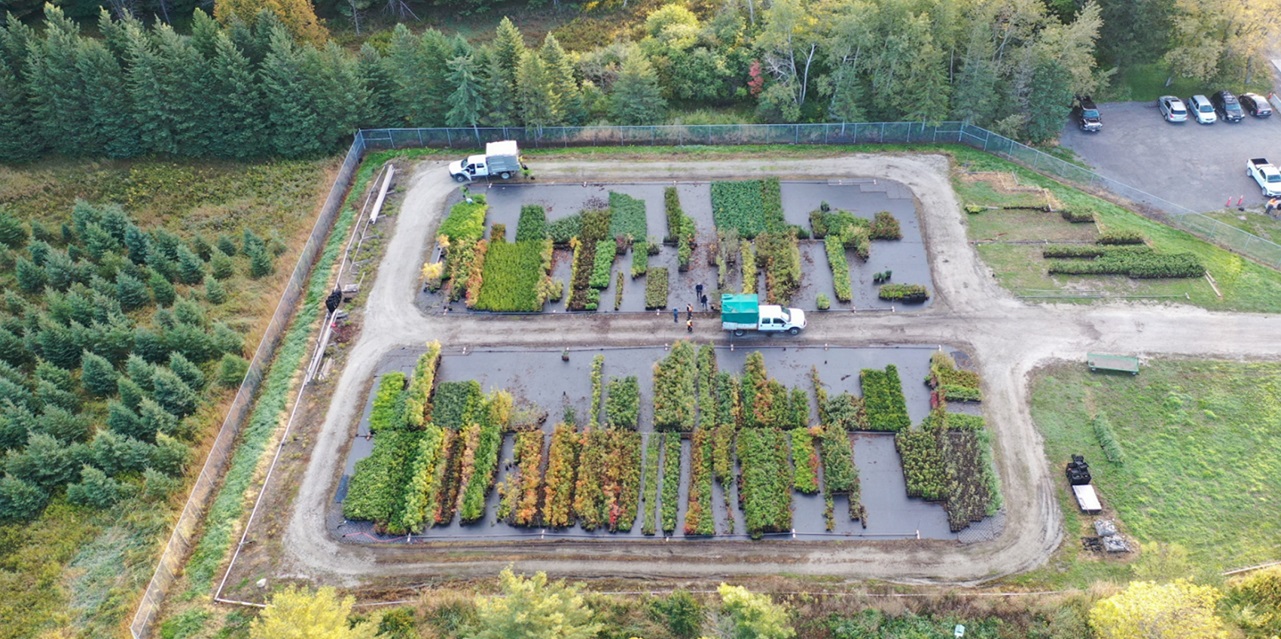
Toronto and Region Conservation Authority’s (TRCA) Nursery supports more than 250 restoration projects a year by propagating, sourcing, and supplying native plant material in various formats.
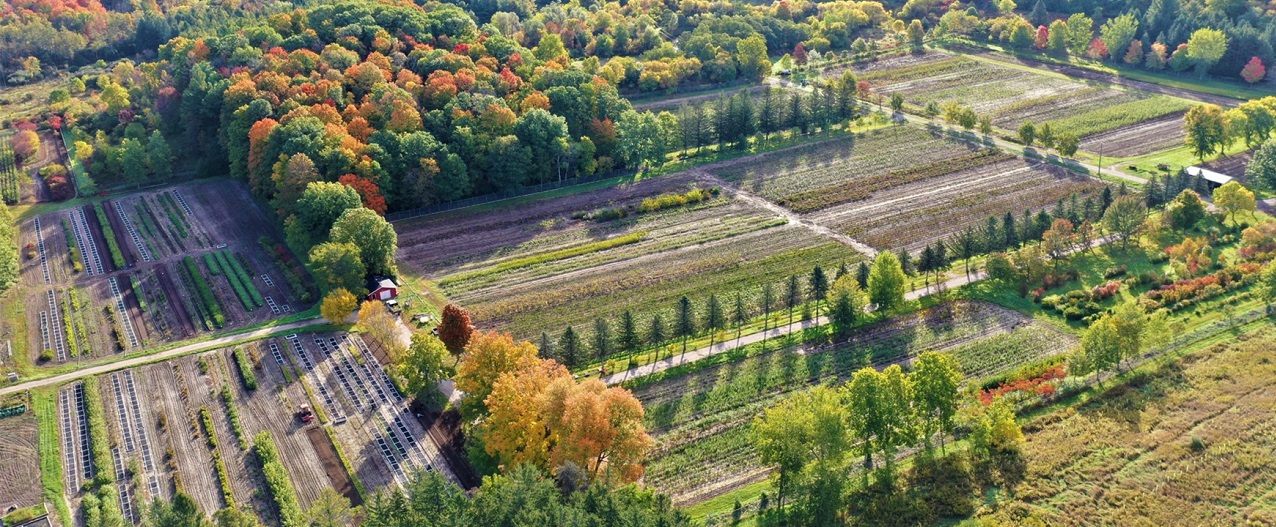
The Nursery is adjacent to Kortright Centre for Conservation, the Humber River, and TRCA’s Restoration Services Centre.
A 10-person team works the 25 acres, which consists of 12 fields, a seed orchard, two irrigation ponds, and a container-grown plant holding area.
Please note: TRCA’s Nursery is not open to the public.
LEARN MORE ABOUT THE TRCA NURSERY
Seed Collection and Processing
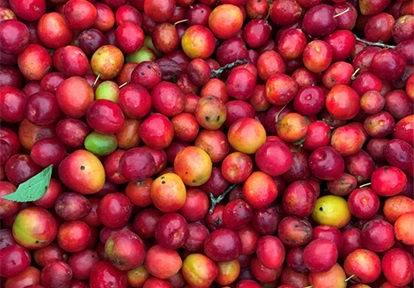
Throughout the year, Nursery staff monitor native trees and shrubs for viable seed production within the Nursery grounds, as well as seed orchard and native plants growing within and around TRCA’s jurisdiction.
Seed is sustainably collected adhering to Ontario’s woody plant seed collection guidelines.
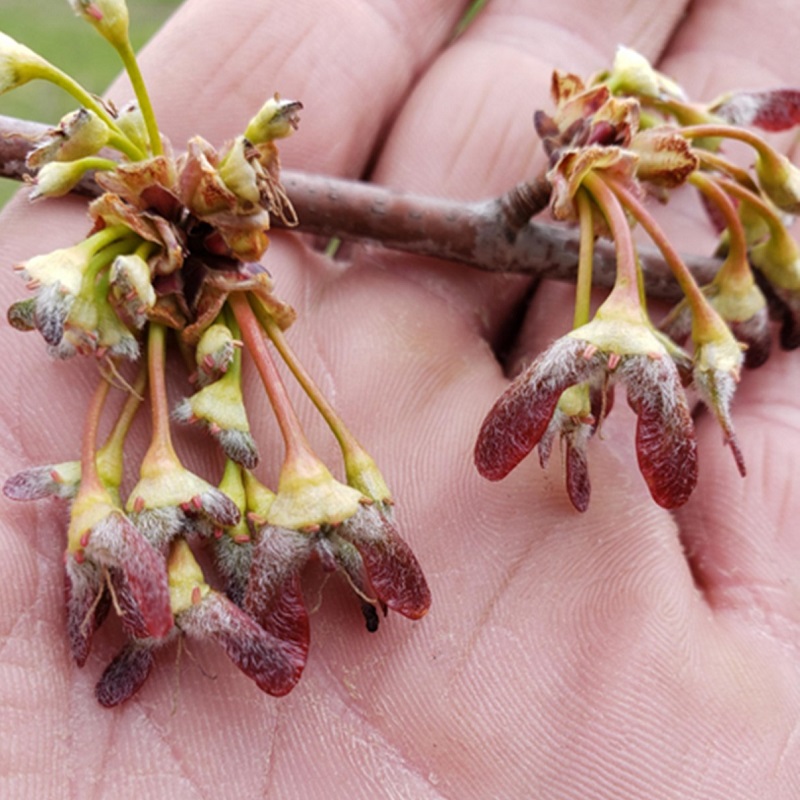
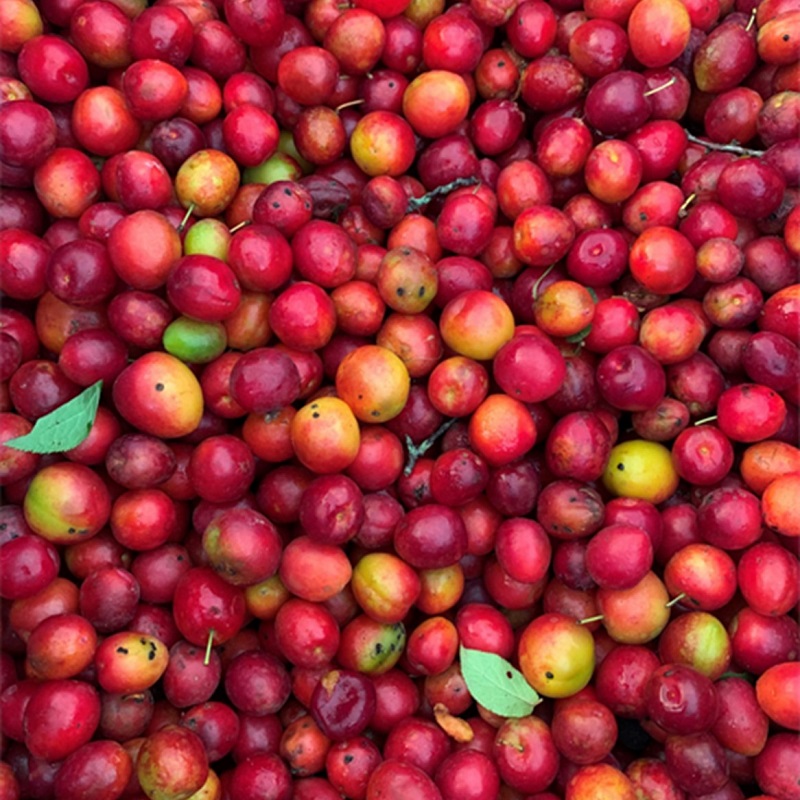
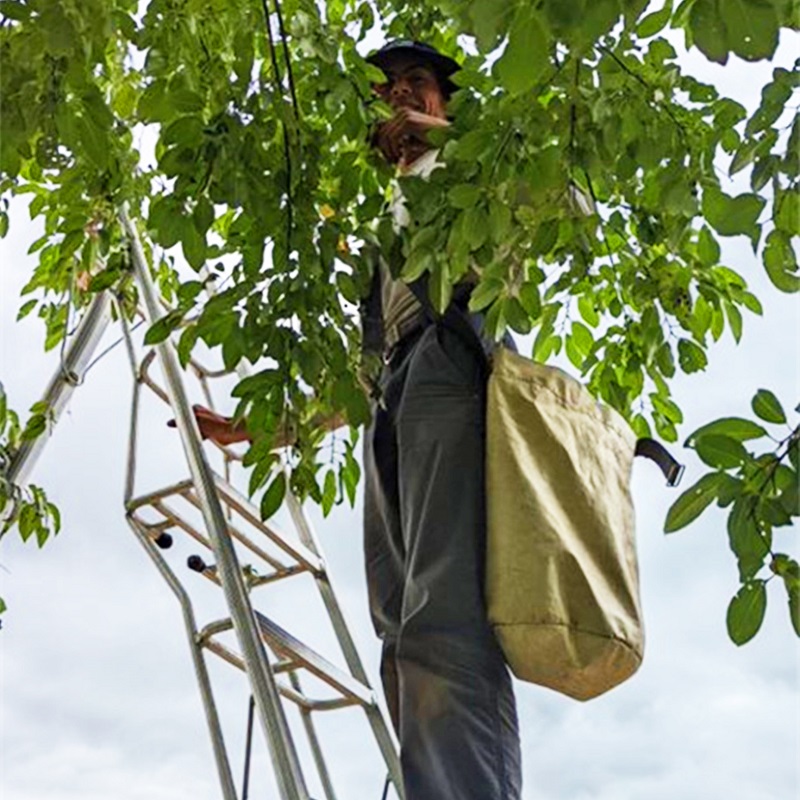
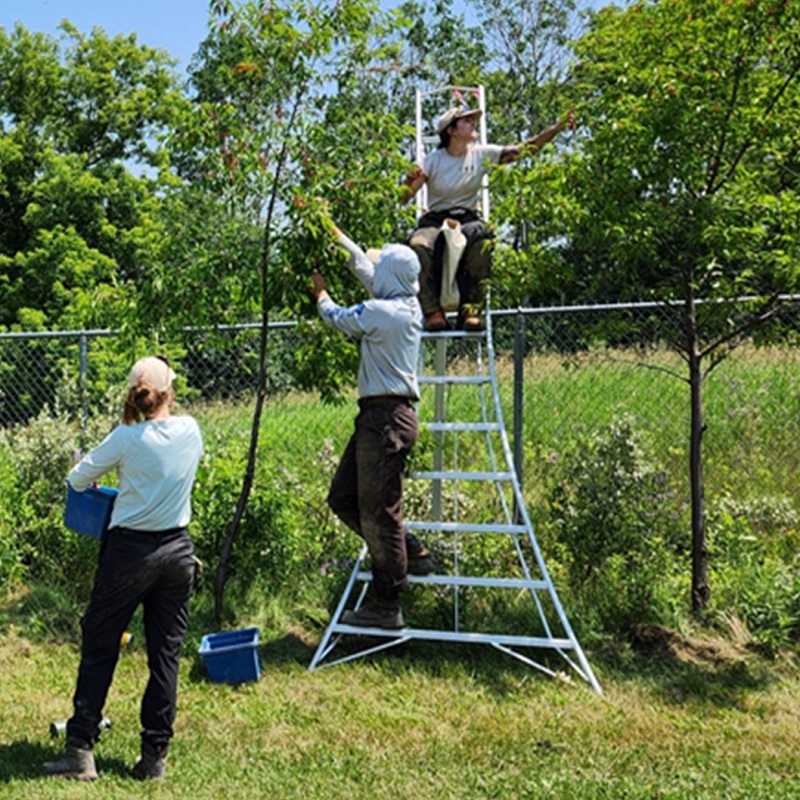
Various seed processing methods are used (as shown below), from winnowing with a fan, maceration with the Dyvbvig Seed Cleaner, and particle sorting with sieves and screens.
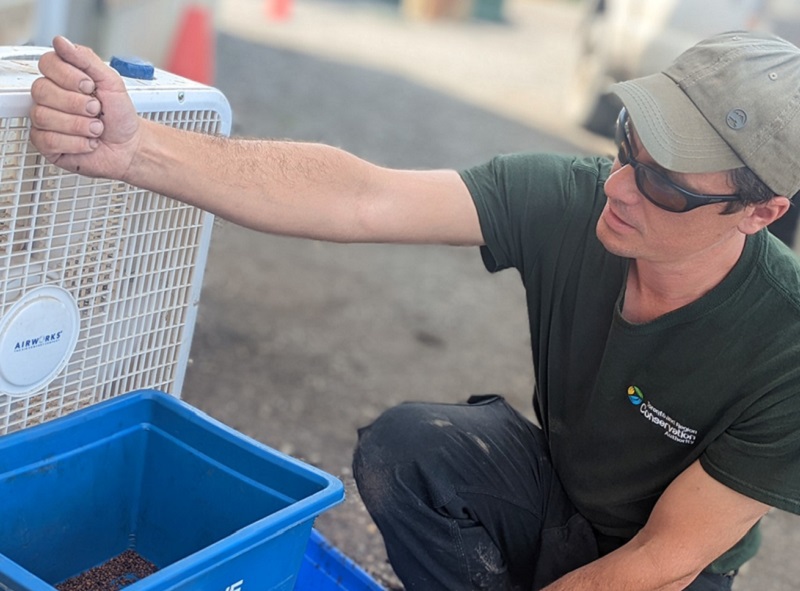
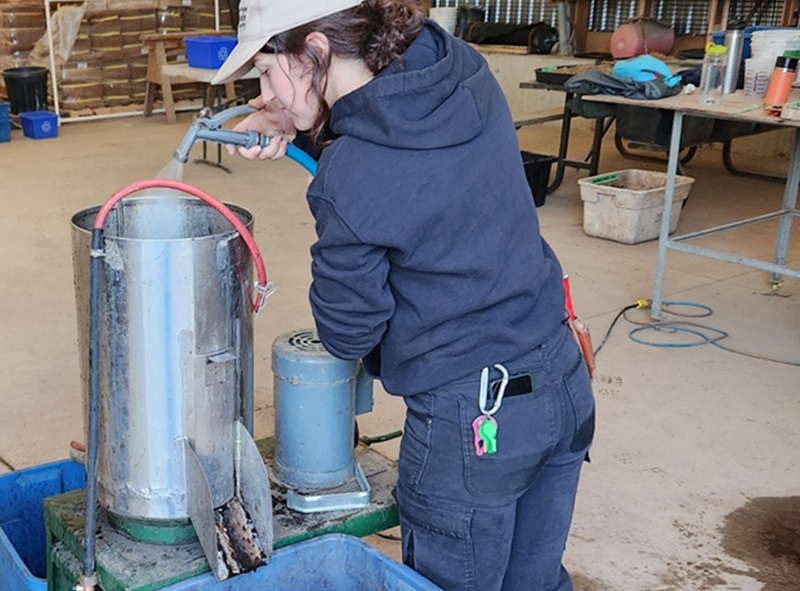
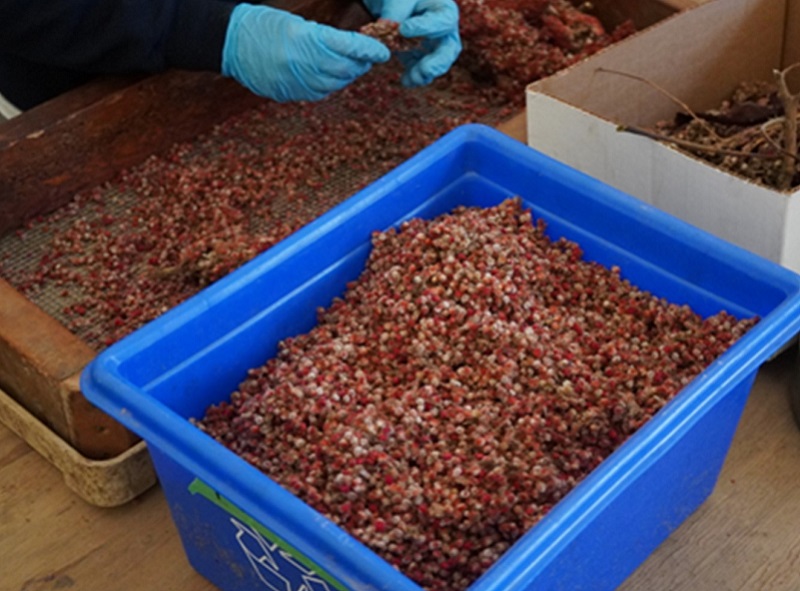
TRCA’s Nursery propagates approximately 30 species of shrubs and 15-plus species of trees when seed is available.
SHRUBS
Serviceberry
Chokeberry
Alternate Leaf Dogwood
Silky Dogwood
Gray Dogwood
Red Osier Dogwood
American Hazel
Beaked Hazel
Silverberry
Choke Cherry
Sand Cherry
Fragrant Sumac
Staghorn Sumac
Snowberry
Peachleaf Willow
Bebbs Willow
Pussy Willow
River Willow
Shinning Willow
Slender Willow
Black Willow
Common Elderberry
Red Elderberry
Meadowsweet
Arrowwood
Nannyberry
American Cranberry
TREES
Sugar Maple
Black Maple
Silver Maple
Yellow Birch
Hackberry
Black Walnut
Balsam Poplar
Eastern Cottonwood
Bur Oak
Red Oak
Black Cherry
Pin Cherry
Production Types
Seedbed Production
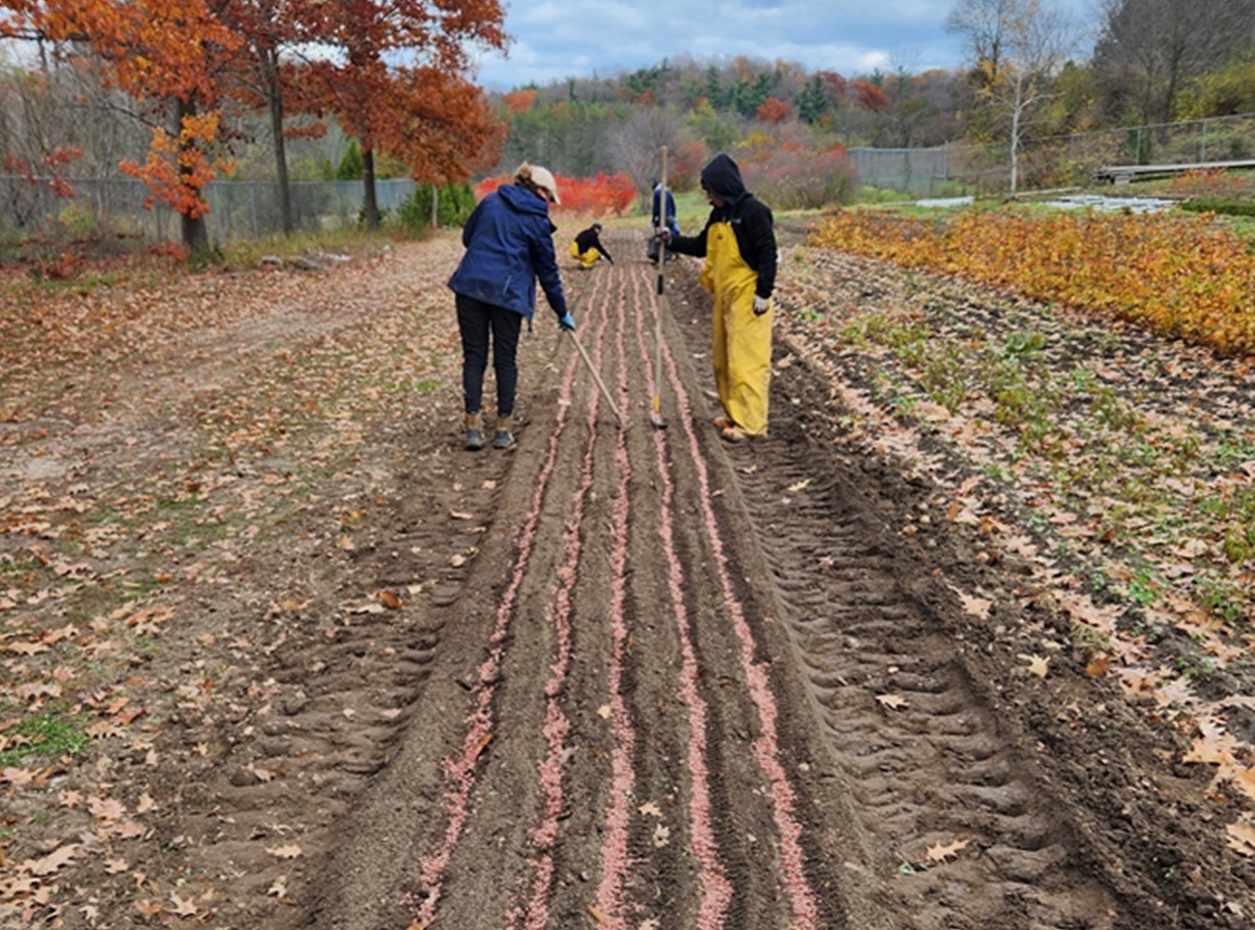
Nursery staff sow seed based on species requirements. Most seeds require a stratification period by means of a warm and/or cold period to break seed dormancy and germinate successfully.
Some species like Nannyberry, Arrowwood, and Cranberry take two years to germinate, requiring five to nine months of warm stratification followed by two to four months of cold stratification.
Bur Oak does not require stratification and will germinate readily once sown or in ideal conditions where the acorns fall.
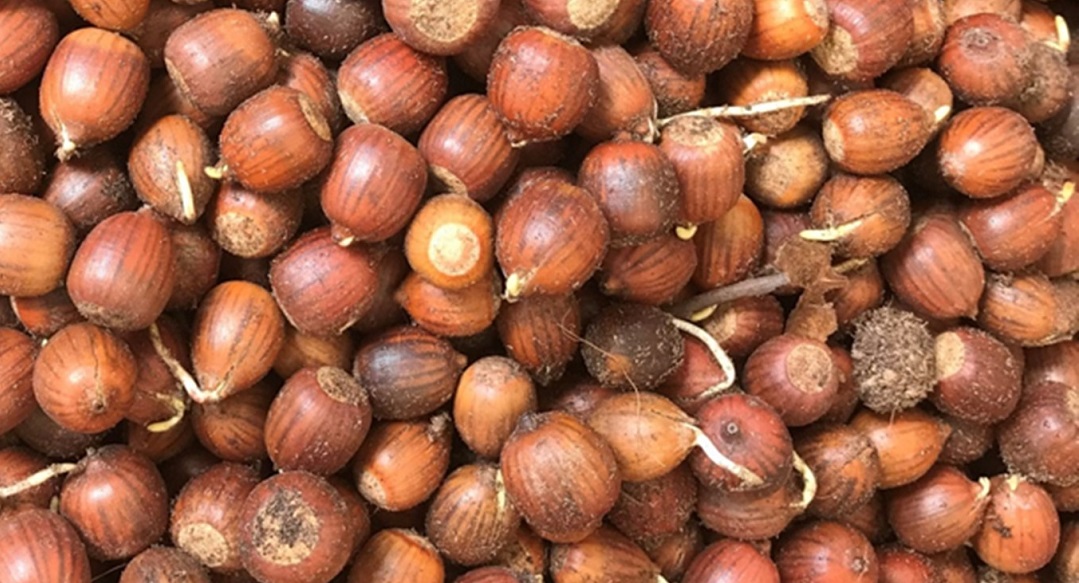
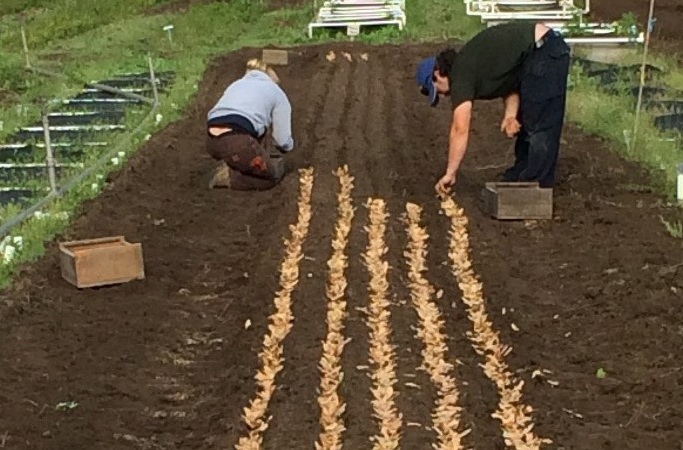
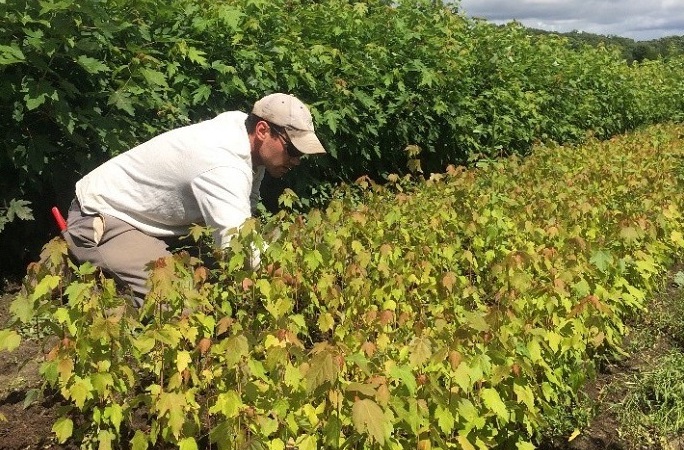
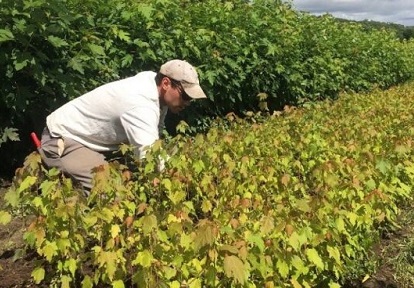
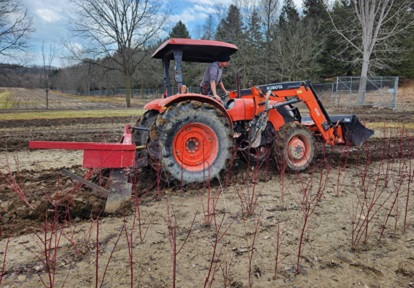
Seed sown in seedbeds is cared for by manual weeding and mechanical cultivation for one to three years, and depending on the species will be ready for lifting and transferred to our fields or potted in containers in one to three years.
Field Production
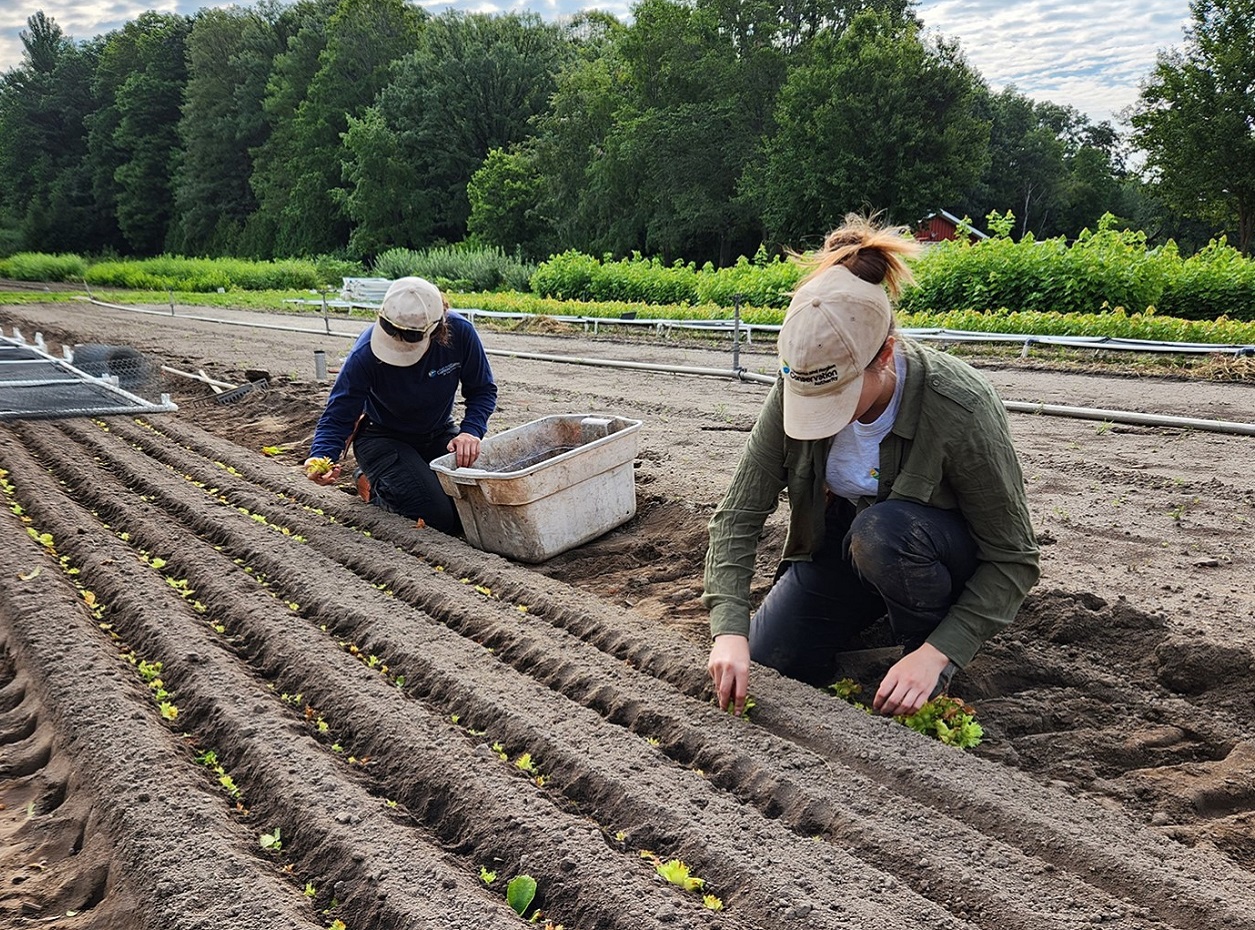
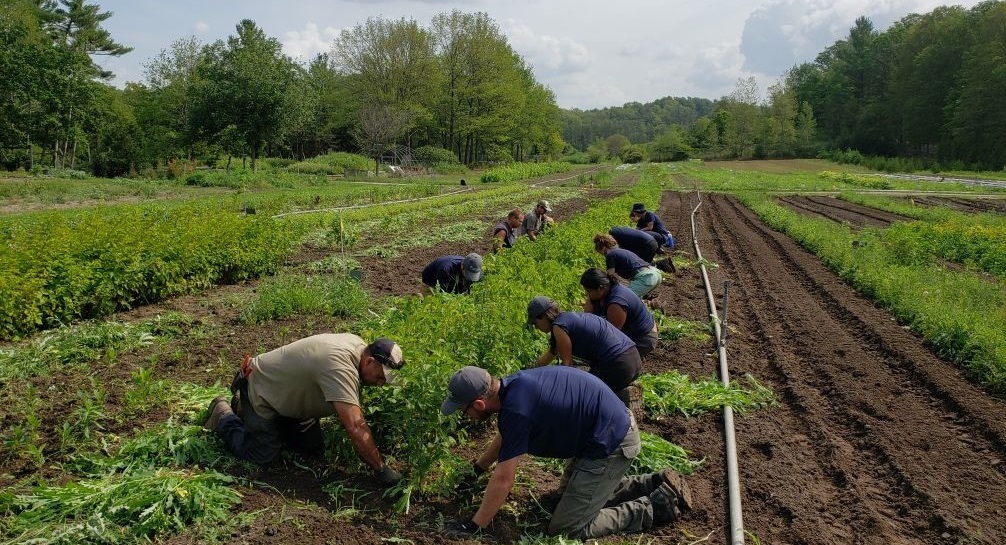
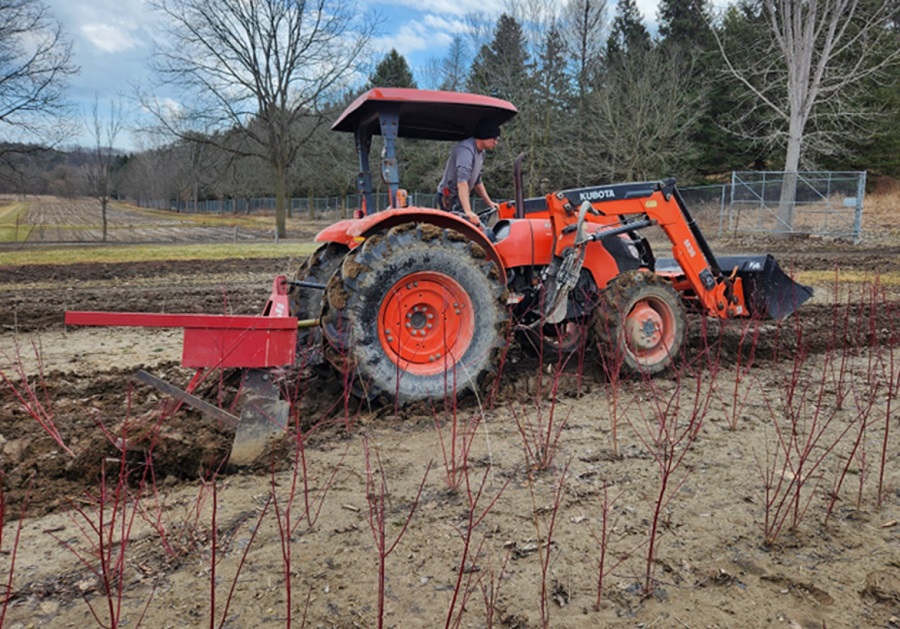
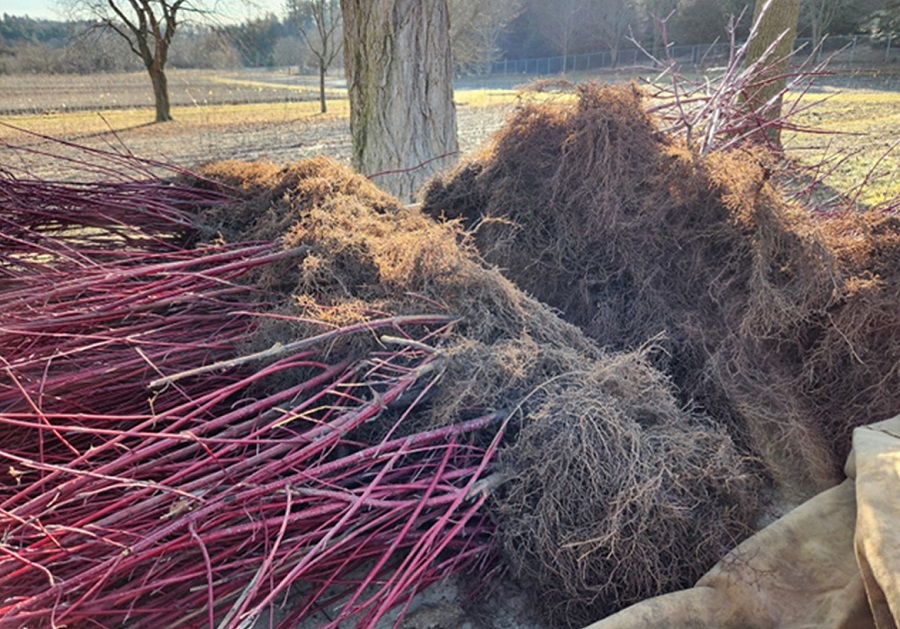
Trees and shrub seedlings are graded based on size and caliper. They are field planted for additional growth for one to three years.
Nursery staff care for these plants by means of manual and mechanical cultivation. Regular fertilization, irrigation, and pruning is required until plants are ready for lifting before going out on restoration planting projects.
Bioengineering Production
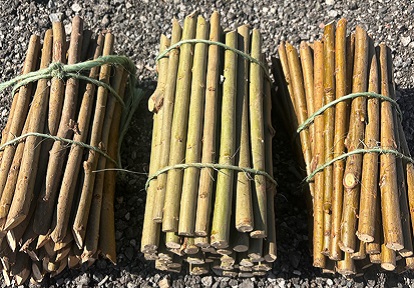
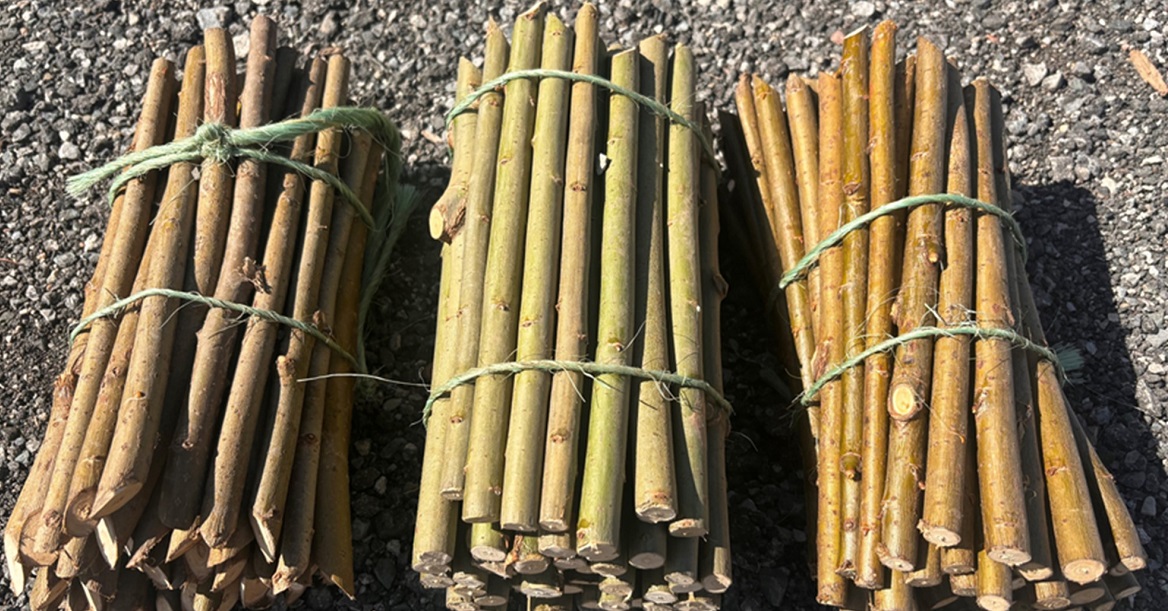
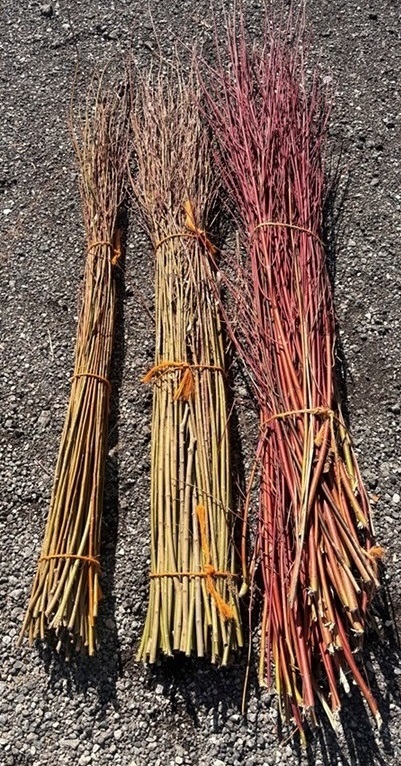
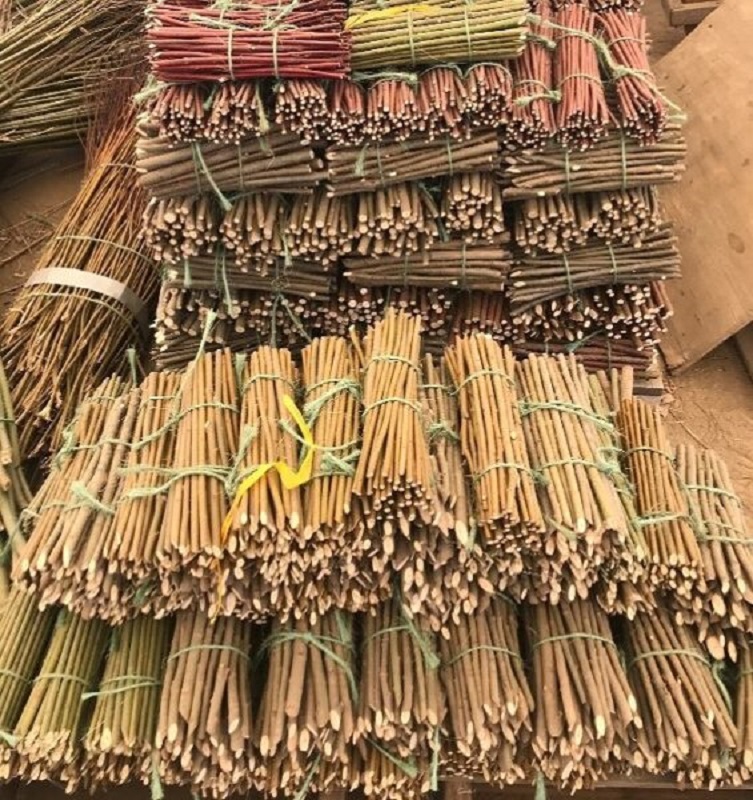
TRCA’s Nursery produces a variety of bioengineering materials made up of various species of willow.
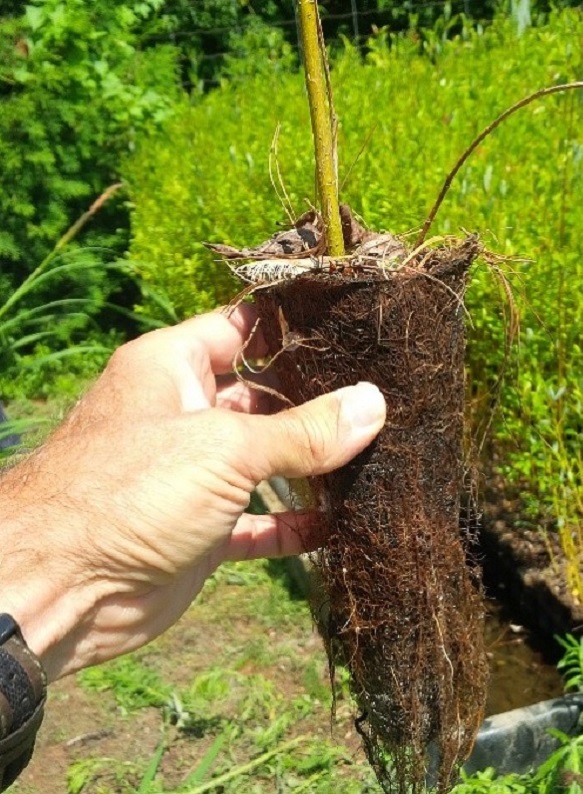
Staff maintain two fields of mixed willow species, harvested on a biennial rotation. The Nursery has a production target of 27,000 willows in plug format and about 40,000 live willow stakes from 30cm to 150cm in length.
These products are used to help stabilize shorelines and restoration projects.
Aquatic Plant Production
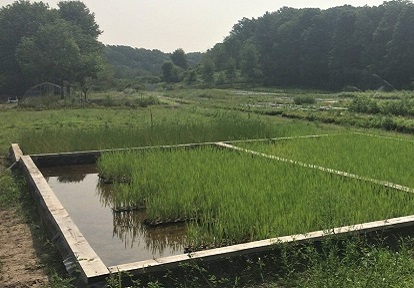
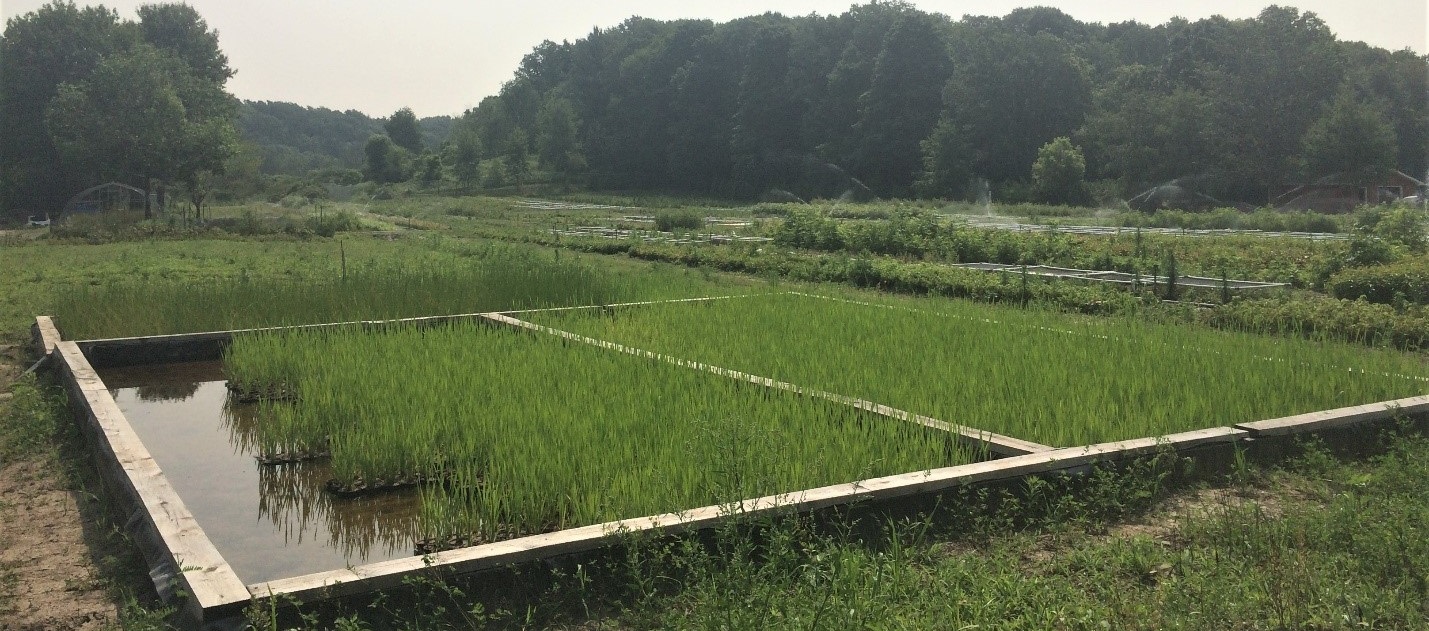
Nursery staff source a variety of aquatic plants in plug format every year from reputable suppliers. These are potted and grown in coco-fibre pots for use on restoration projects throughout TRCA’s watersheds.
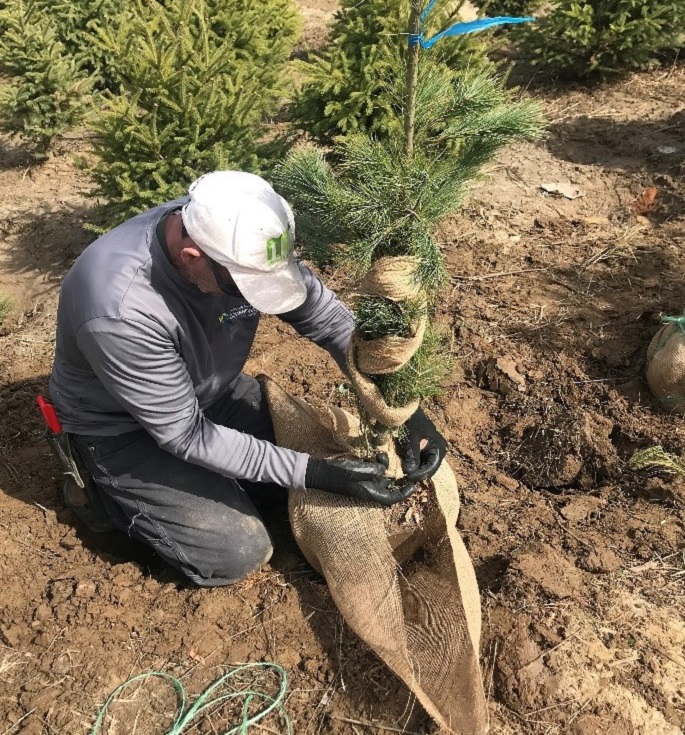
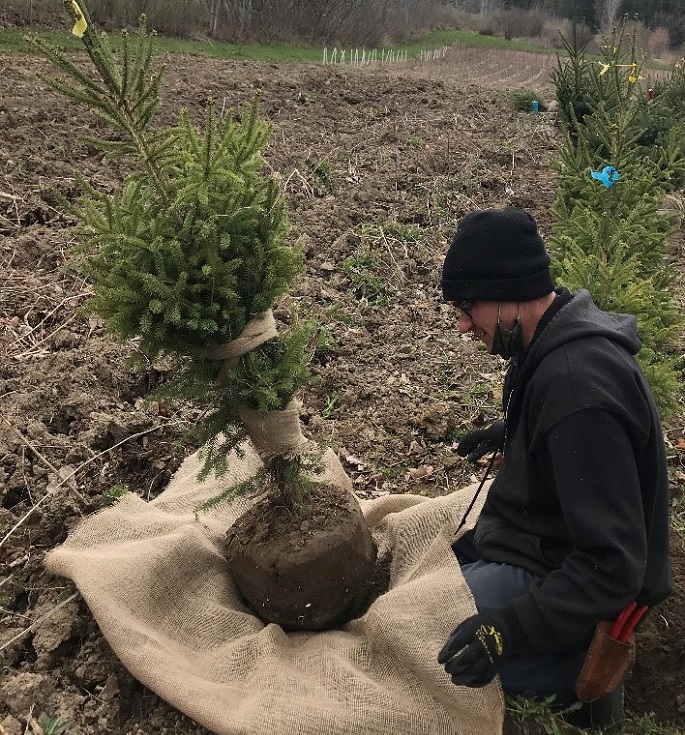
Balled and Burlap Conifer Production
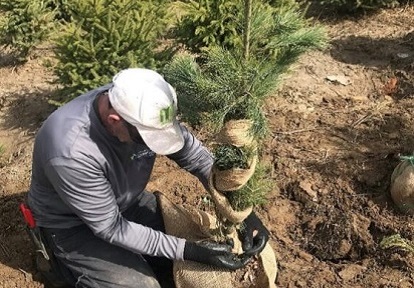
TRCA Nursery staff source seed zone specific seedlings of White Spruce, White Pine, and White Cedar to grow on for three to five years. This produces a large, full plant for planting in our restoration projects.
Trees are hand dug and handled with care, each weighing approximately 50-100 lbs.
The Nursery Production team strives to improve propagation practices and to sustainably source and supply TRCA’s plant material needs. The team looks forward to working with TRCA project managers, coordinators, and field staff to successfully plan and implement restoration projects across our watersheds.