December 22, 2025, Toronto, ON — As winter weather sets in, Toronto and Region Conservation Authority (TRCA) is sharing important safety information to help Toronto region residents enjoy the outdoors while staying alert to winter flood risks.
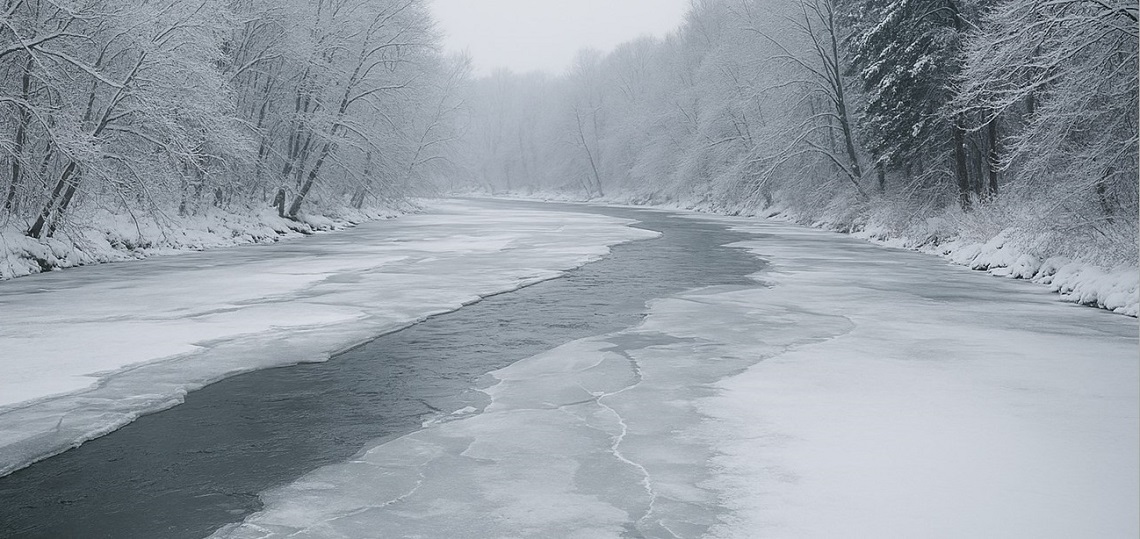
WINTER SAFETY TIPS
| Maintain a safe distance: | Keep a safe distance from rivers, lakes, and ponds in the winter months. Water levels can change very quickly, and riverbanks can become slippery, unstable, and eroded. |
| Stay off ice-covered water: | Ice thickness is difficult to judge, and there is a risk of slipping or falling through. Do not walk, skate, or drive on ice-covered rivers, lakes, or ponds unless officially designated as safe by local authorities. |
| Avoid stormwater ponds: | Stormwater ponds were not made for ice skating. These ponds often have thinner ice and more cracks due to road salt and snowmelt. Slopes near ponds can also be slippery and dangerous. |
| Choose safe locations for winter recreational activities: | Many factors can create unsafe conditions, even if the surface appears solid. For those interested in ice skating or other ice-related activities, please contact the local municipality to find official, safe locations for winter ice activities. |
| Be aware of changing winter conditions: | Warm weather and rainfall during the winter months can raise river water levels and cause ice jams, making conditions unstable and dangerous. Chunks of river ice can jam up and suddenly release into downstream areas, without warning, creating dangerous conditions in minutes. |
| Use caution near dams: | Stay away from dams, channels, and reservoirs. Ice near dams can be thin, and water levels can change quickly without warning, increasing the risk of falling through the ice. |
| Know what to do in an emergency: | If someone is in danger or has fallen through ice, call 911 immediately . Do not attempt a rescue as it can be extremely dangerous. |
Get more seasonal flood safety tips
Flooding Can Occur at Any Time of Year
KNOW YOUR RISKS, BE PREPARED & STAY INFORMED
1. KNOW YOUR RISKS
Did You Know Ice Jams Can Cause Flooding?
In March 15, 2019, an ice jam caused the Humber River to spill its banks into the surrounding flood plain area, sending water into the streets and flooding homes in downtown Bolton.
More than 250 residents were evacuated from approximately 80 homes after a large ice jam blocked the river, causing it to overflow.
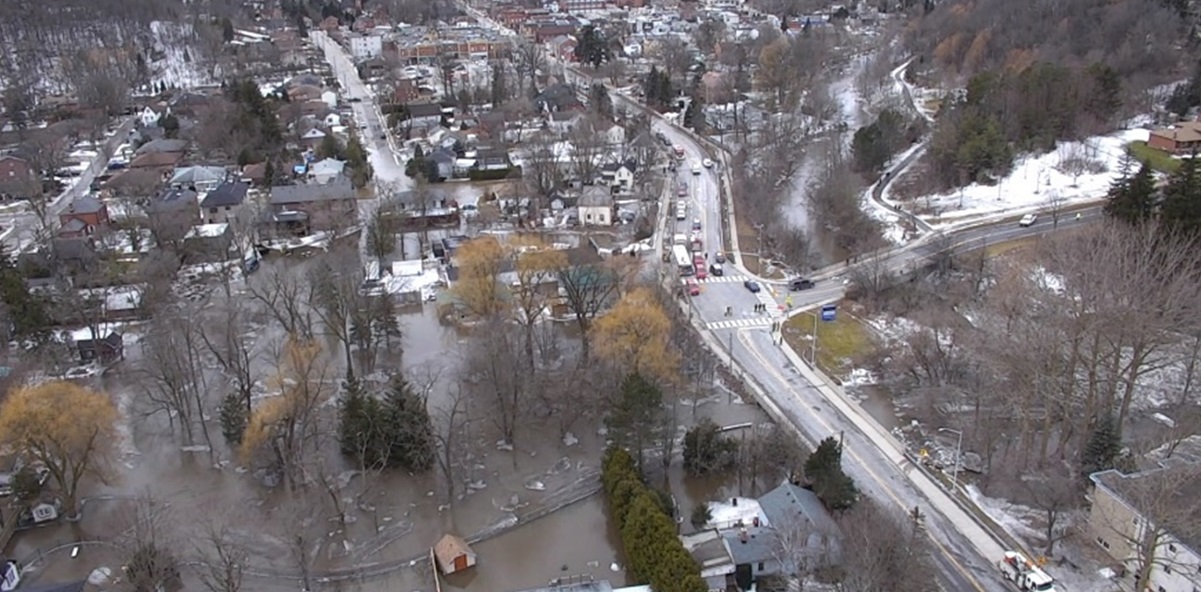
What is an Ice Jam?
Ice can form and cover river surfaces during cold winters. Changes in river water levels from warmer temperatures or rainfall can cause river ice to melt and break into large chunks.
As it moves downstream, the ice can jam and form large piles, blocking the river and causing flooding in nearby areas.

2. BE PREPARED
Did You Hear about Environment Canada’s New Colour-coded Weather Alerts?

The colours tell you how risky the weather is to you. Every type of weather alert including Warnings, Advisories, and Watches now has a colour when it is issued. The weather alert colours move from yellow to orange to red as the potential risk increases.
TRCA Flood Messages
TRCA’s Flood Forecasting and Warning Program monitors watershed conditions and weather forecasts, and issues flood messages to local authorities and agencies when flood risks increase.
Do you live near a river? Sign up to receive TRCA flood messages by email and/or text message.
TRCA Flood Message Types

ON THE GO?
Sign Up Now to Get TRCA Flood Messages by Text!

New text messages provide a brief statement on the flood message type, along with a link to the full message, which is always posted on TRCA’s Flood Forecasting and Warning Centre page. SIGN UP NOW!
3. STAY INFORMED
Helpful Resources
- Sign up for TRCA Flood Messages
- Get winter safety information
- Read the ice jams information guide
- Read TRCA’s seasonal fact sheet
- Learn about TRCA’s Flood Forecasting and Warning Program
- View TRCA’s dam safety information
Get Regional Updates
For regional updates on water levels and seasonal changes, please contact your local conservation authority:
- Toronto and Region Conservation Authority: (416) 661-6514
- Lake Simcoe Region Conservation Authority: (905) 895-1281
- Conservation Halton: (905) 336-1158
- Credit Valley Conservation: (905) 670-1615
- Central Lake Ontario Conservation Authority: (905) 579-0411
- Ganaraska Region Conservation Authority: (905) 885-8173
- Nottawasaga Valley Conservation Authority: (705) 424-1479
- Kawartha Conservation: (705) 328-2271