
Conveniently located close to downtown Toronto, Tommy Thompson Park (TTP) offers a welcome break from the city’s busy, fast-paced lifestyle.

This expansive 500-hectare wilderness features scenic trails, engaging educational programming, outdoor camps, and unique festivals. It is a place to explore and connect with nature without leaving the city.
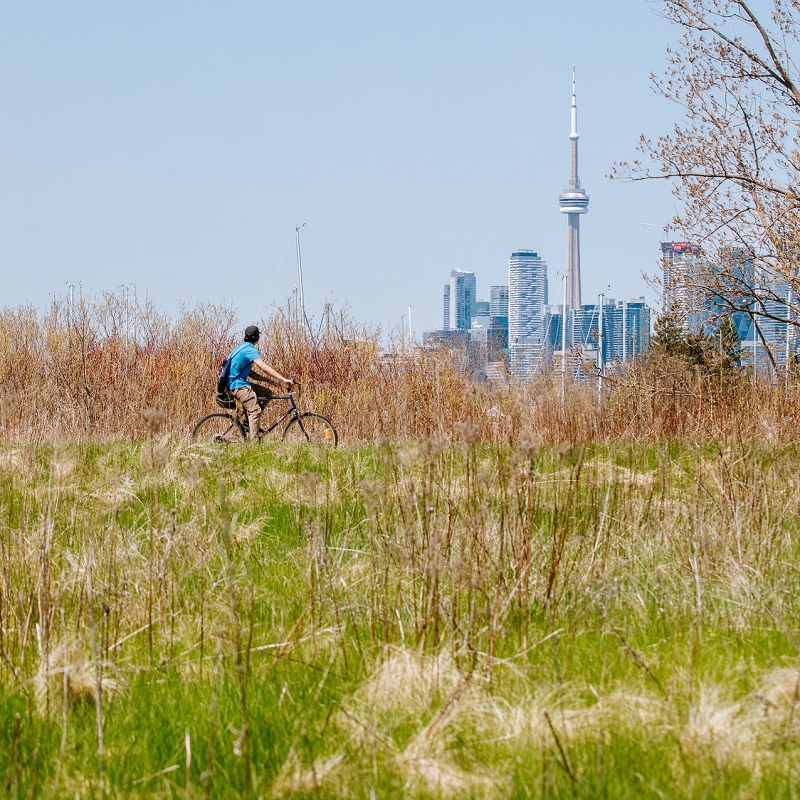
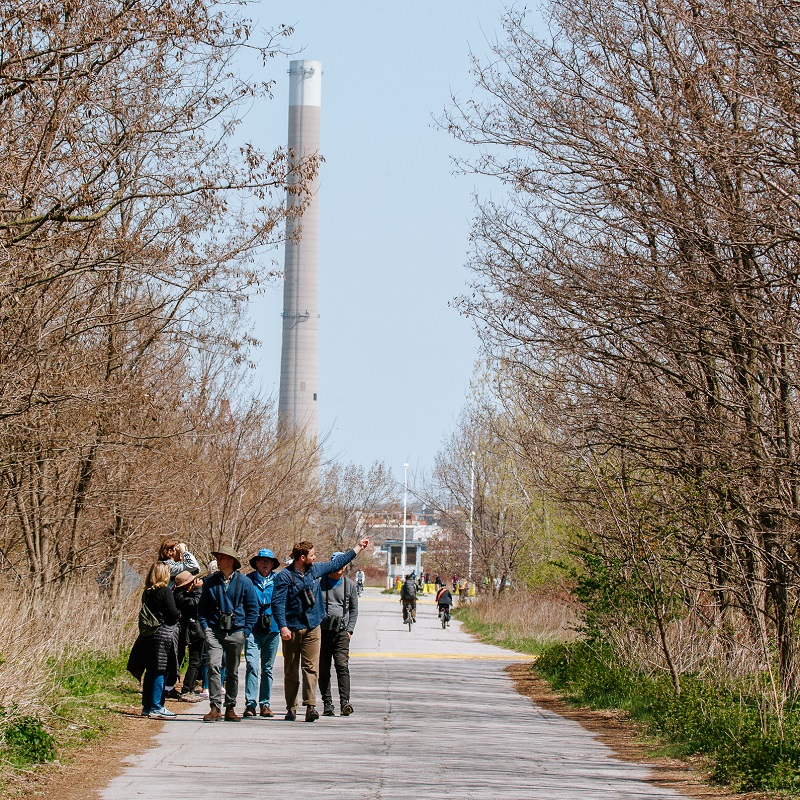
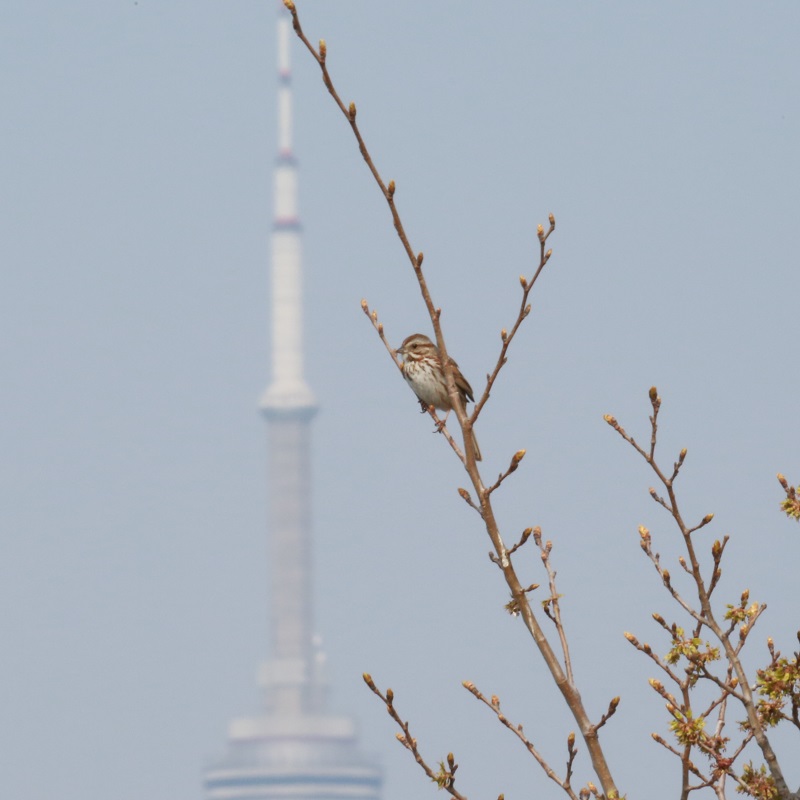
Tommy Thompson Park is also a refuge for wildlife and a thriving hub for ecological restoration, habitat management, and wildlife research led by Toronto and Region Conservation Authority (TRCA).
The ecosystems and communities that have evolved at the park provide essential habitat that supports globally and nationally significant bird populations, earning TTP the designation of a Key Biodiversity Area.
Among the many research initiatives is songbird migration monitoring, which is conducted in spring and fall at the Tommy Thompson Park Bird Research Station (TTPBRS).
What is Tommy Thompson Park Bird Research Station?
Operating since 2003, TTPBRS is a dedicated research hub that plays a key role in monitoring bird populations.
It is part of the Canadian Migration Monitoring Network, a collaborative initiative of bird observatories across Canada, led by Birds Canada and Environment and Climate Change Canada. Member observatories conduct migration monitoring and other research while also supporting training, outreach, and education efforts.
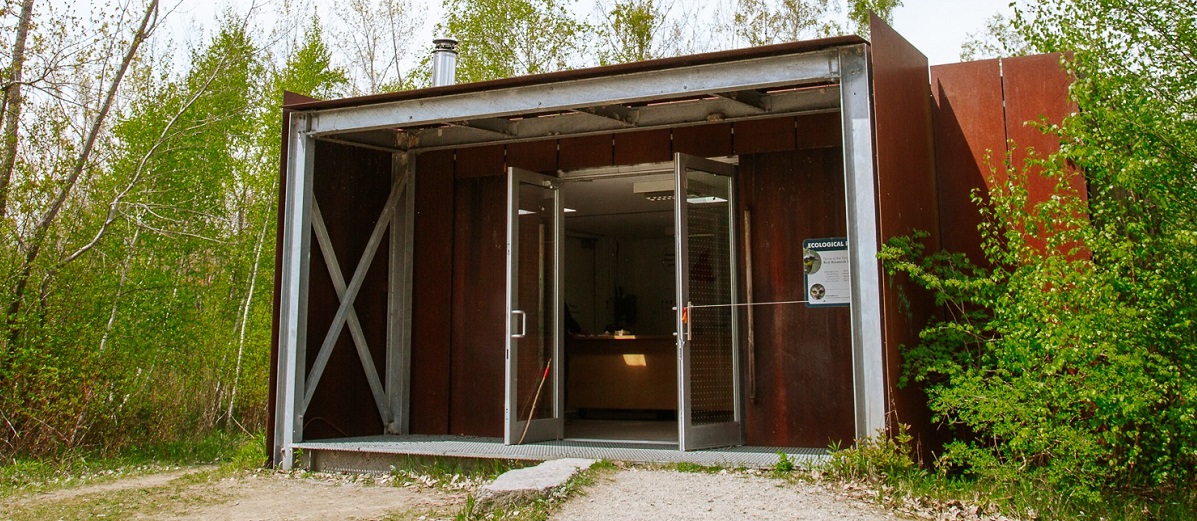
The research team, led by the Bander-in-Charge Shane Abernethy, carefully sets up specialized nets to capture and band migrating songbirds. These nets are strategically placed across diverse habitats within the study area, allowing staff to sample a wide range of species passing through the peninsula.
Data is collected and recorded following a standardized protocol specific to TTPBRS, with methods that align with other Canadian Migration Monitoring Network stations.
This ensures consistency and accuracy across the network and allows researchers to analyze bird population trends over time. The data provides a clearer picture of how bird populations are changing and what conservation efforts may be needed.
The TTPBRS monitoring protocol has two main components:
- Bird banding: The capture and examination of individual birds
- Census: A count of all birds seen and heard in the study area
Why Tommy Thompson Park?
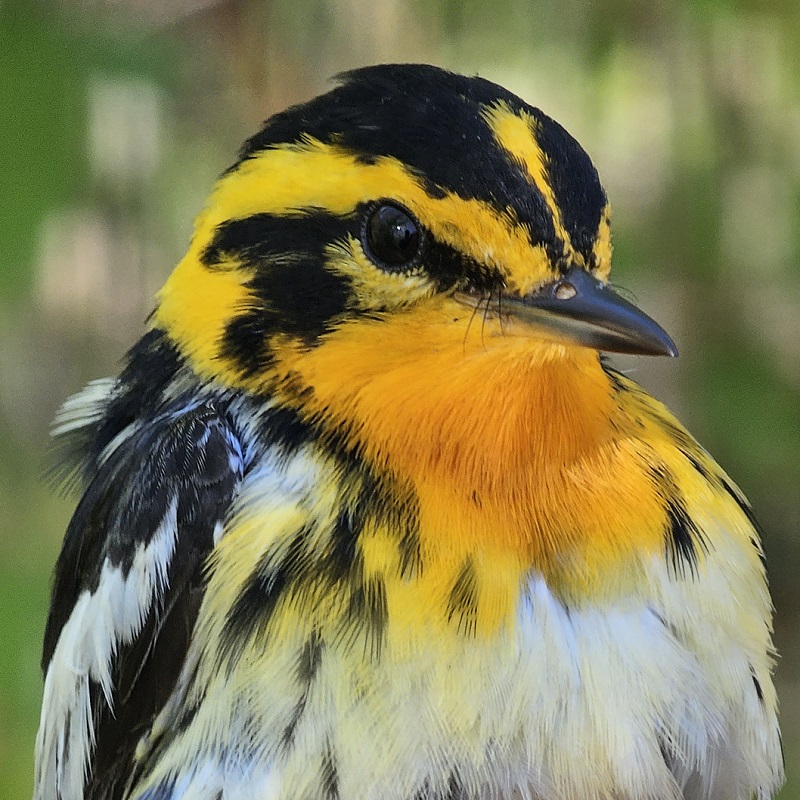
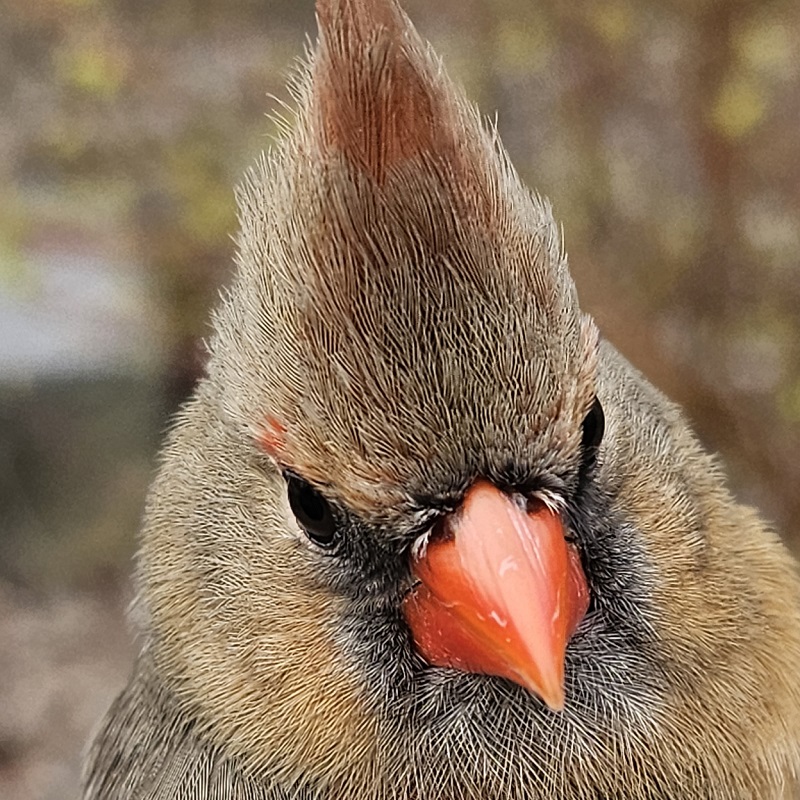
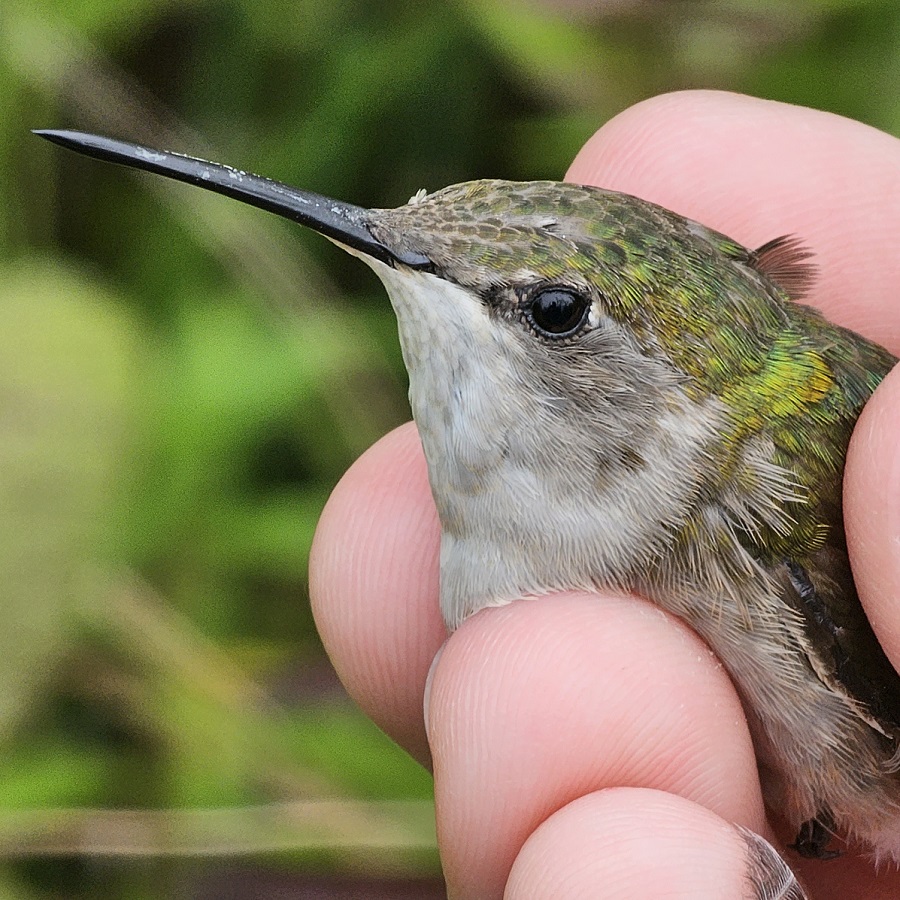
Migration is a hazardous journey. Some birds travel along land routes to South America, while others fly 800 to 900 kilometres nonstop over open water.
Along the way, they face dangers such as exhaustion and dramatic changes in weather conditions; the destination itself may be fraught with challenges, including habitat loss and competition for food.
Since monitoring birds in their remote breeding grounds is difficult, researchers focus on key migration hotspots.
A peninsula such as Tommy Thompson Park serves as a vital stopover point, offering migratory birds a crucial resting place after crossing Lake Ontario in the spring, or a final opportunity to rest before heading south in the fall, and making it a suitable site for migration research.
Bird Banding
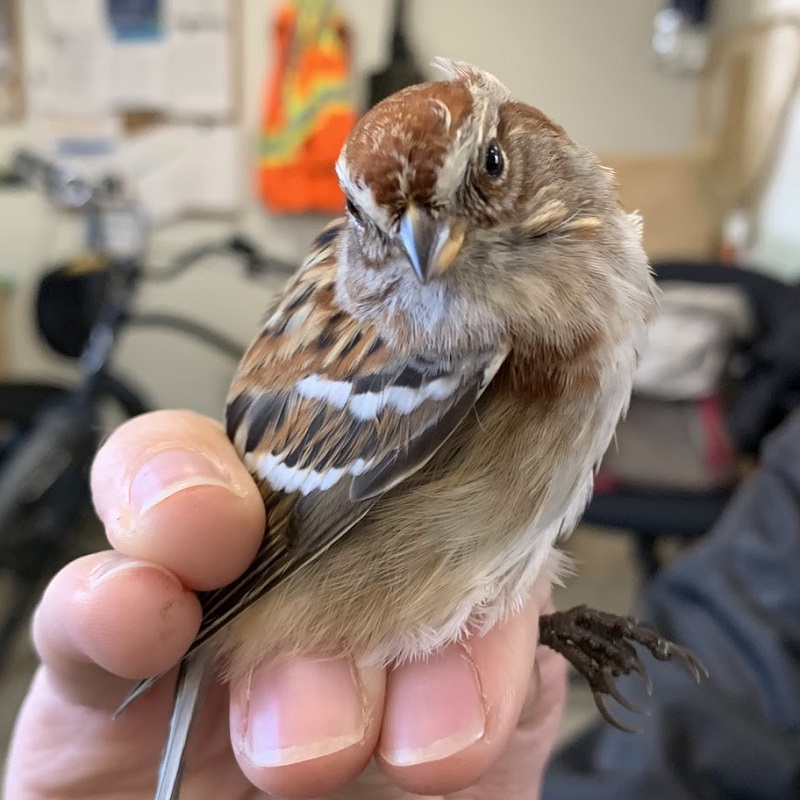
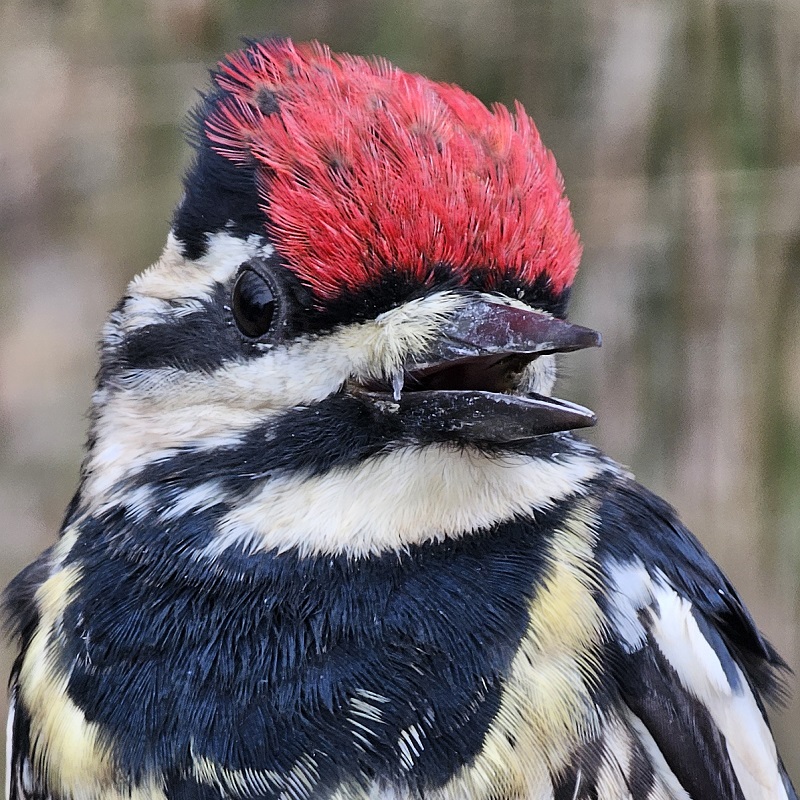
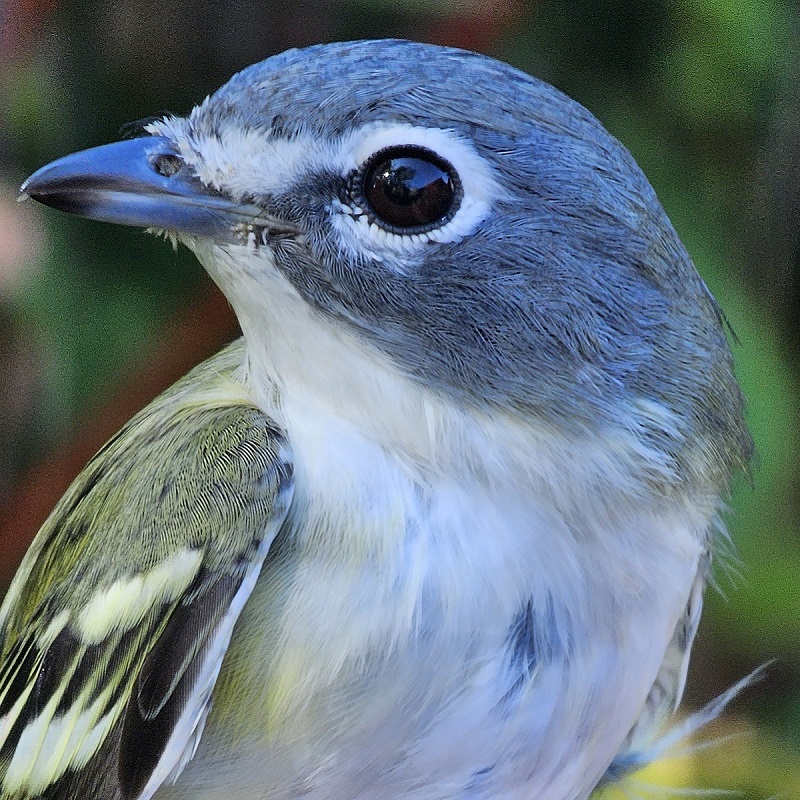
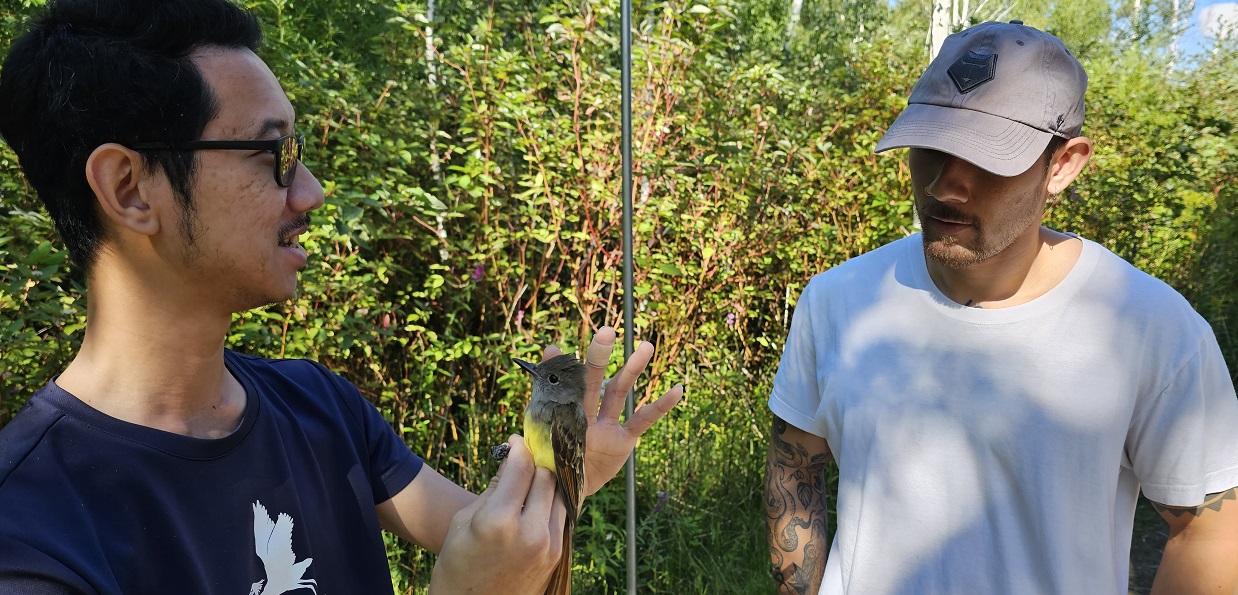
Once a bird is captured in one of the nets in the study area, it is carefully brought to TTPBRS for banding.
Each bird receives a small, lightweight band with a unique nine-digit number. If the bird is later recaptured for research, either at TTPBRS or at another station along its migratory route, the band makes it possible to track information about its migration route, stopover preferences, and general health.
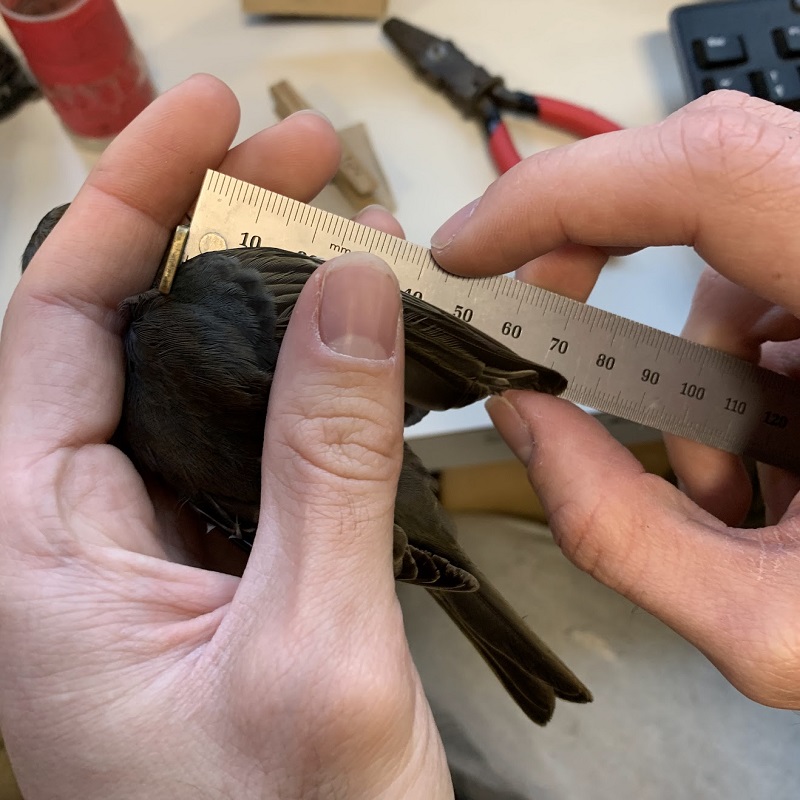
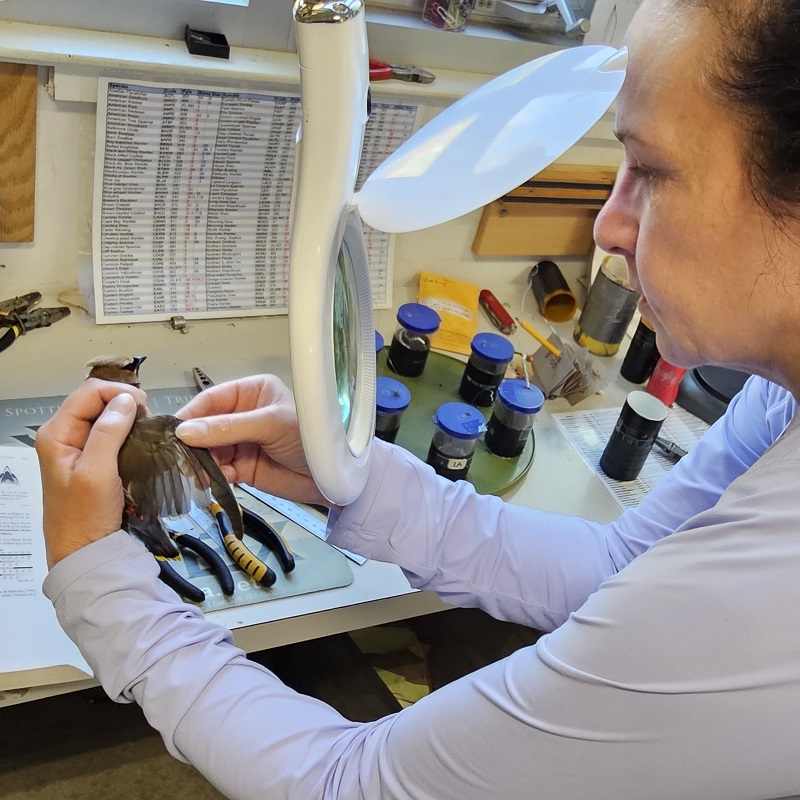
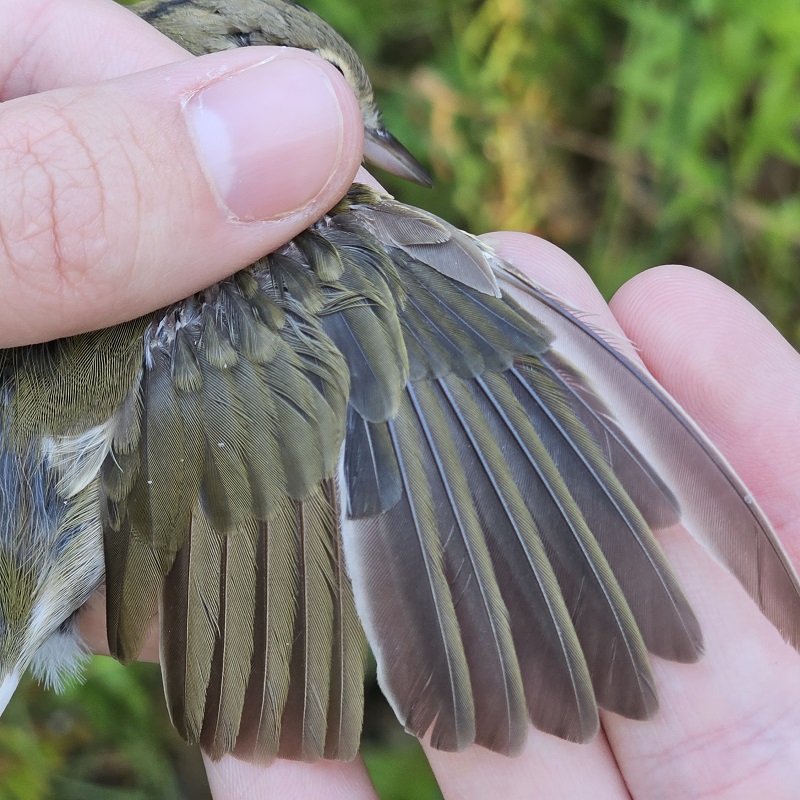
In addition to identification, banding provides valuable demographic data. The staff assesses the bird’s age, plumage, measurements, and weight, recording these details in an international database shared with the Canadian Bird Banding Office and U.S. partners.
This information helps researchers and scientists understand migration patterns, population numbers, and species health.
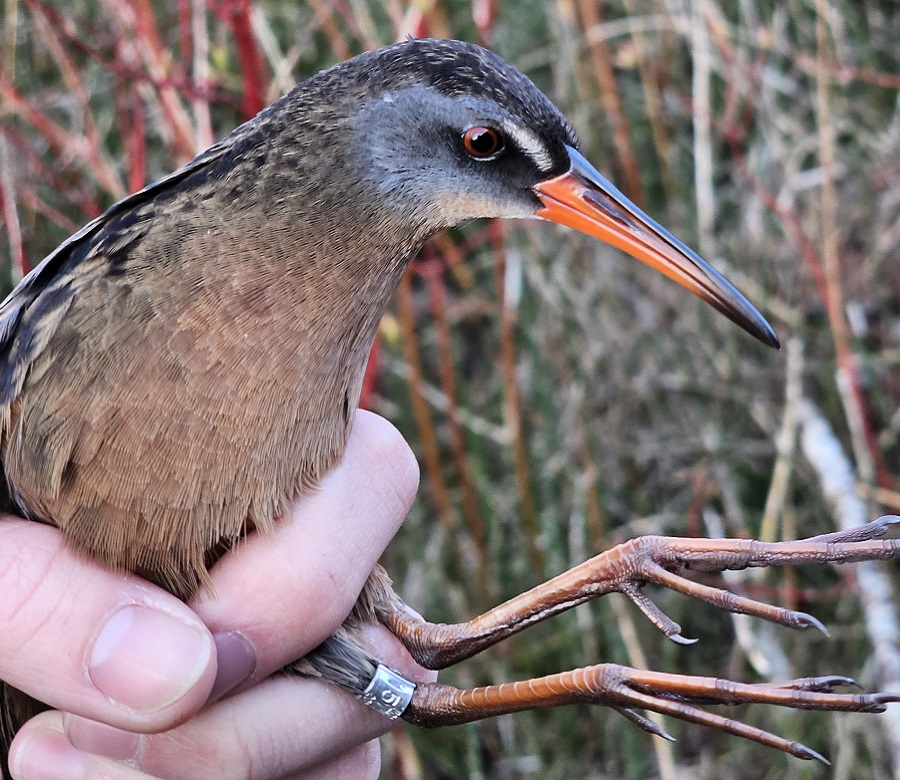
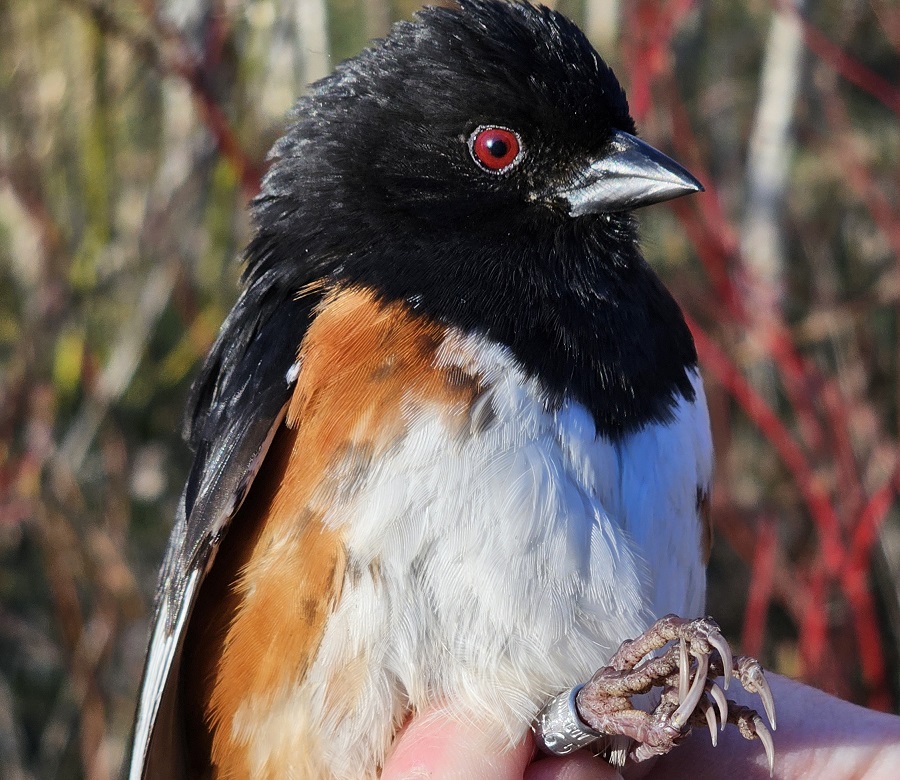
Fat is fuel, and fat reserves play a crucial role in a bird’s migration journey. Its presence or absence can reveal key insights.
A bird with low fat reserves may have just arrived at the park or is planning to stay longer, while one with higher reserves is likely preparing for the next leg of its journey.
Age and sex determination vary by species. Molt patterns, which differ among birds, provide the most reliable indicator of age.
Sexing birds, however, can be more complex. Some species exhibit clear physical differences between males and females, while others require precise wing and weight measurements.
For species like the Northern Saw-whet Owl, researchers use a matrix of data to make accurate determinations.
Daily Census Collection
Every day, staff conduct a census to monitor songbird populations and gain insights into the bird species present at the park.

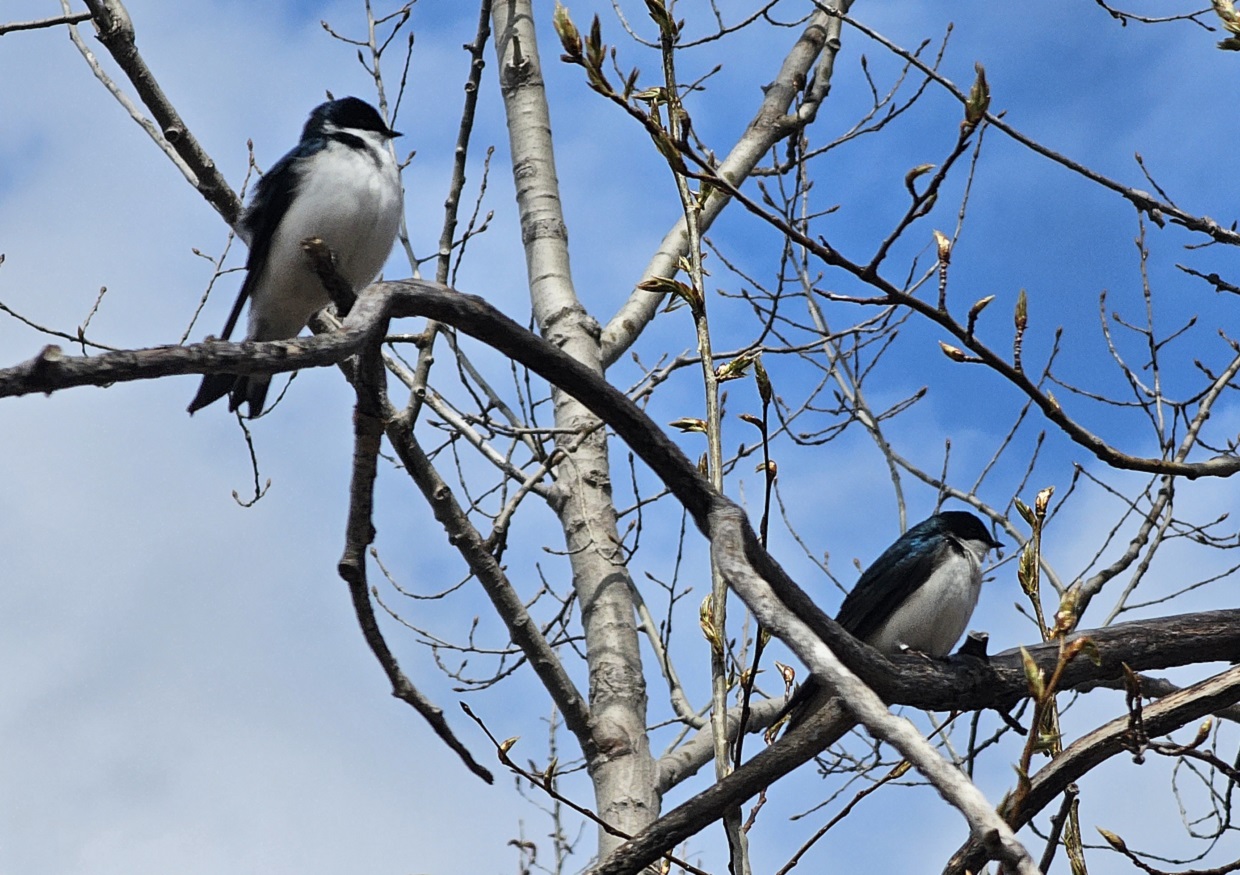
Following a set route through the study area, staff record the birds they observe, both by sight and sound, at specific stops along the way. This daily effort provides a snapshot of the total number of birds and species present at the park.
By combining this census data with the information gathered from bird banding, the team forms a comprehensive picture of the daily bird activity.
Significant Milestones
Since 2003, TTPBRS has banded more than 125,000 birds, and our historical breeding bird list now contains 80 species. We have recorded over 335 bird species to date and established a MAPS station to monitor local breeding birds in 2023.
We also release yearly Migration Monitoring reports. These results help guide habitat restoration and ecological management at the park.
Get Involved
The TTPBRS is not just a research station. Our doors are open to visitors, tours, and educational programs.
We are open on weekends and holidays from dawn until approximately noon, weather permitting, from April 1 to June 9 and from August 5 to November 12.
You can also volunteer your time at the station and help local bird conservation efforts by assisting with bird banding, surveys, habitat assessments, and more.
Training is provided for selected participants; however, due to high demand, priority is given to applicants with relevant skills. See volunteer opportunities.

If you cannot volunteer, you can also help by donating. Donations to TTPBRS can be made on-site at the research station or online through Toronto and Region Conservation Foundation.
Focused on protecting vulnerable bird populations and their habitats, the Tommy Thompson Park Bird Research Station is a vital tool for research, conservation, and guiding habitat restoration efforts.
Visit and see firsthand how our research is working to protect Toronto’s wildlife!