THE POWER OF GATHERING:
Connecting People, Land, and Community
Gathering has always been fundamental to human experience, shaping traditions, fostering resilience, and strengthening relationships.
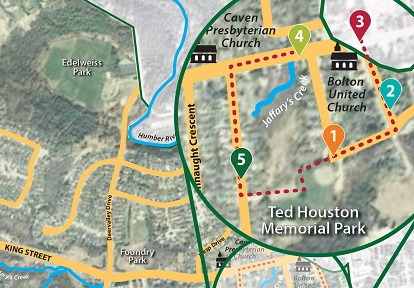
The Hidden Creek Walk traces a route through the Bolton area: a region that has long served as a gathering place for Indigenous nations. Here, communities came together for ceremony, trade, and governance, sustaining cultural connections to the land and local waterways.
These gatherings were essential to sustaining communities and sharing knowledge across generations.
Colonial expansion disrupted these long-standing traditions, leading to the displacement of Indigenous peoples. Treaty 19, also known as the Ajetance Purchase, played a prominent role in this displacement.
Despite these challenges, Indigenous communities continue to care for and protect the land, ensuring that their knowledge and traditions endure. Gathering remains central to their resilience, whether through ceremonies, environmental stewardship, or advocacy for land and water protection.
As Bolton grew, new settlers also built spaces for gathering, using shared experiences to establish traditions and strengthen social bonds.
Churches, sports fields, markets, and public spaces became the heart of the community, places where people could come together to celebrate, worship, support one another, and adapt to the challenges of their surroundings.
Over time, these gathering places evolved, reflecting the changing needs and identities of the town.
From faith communities that found ways to share places of worship to environmental initiatives that bring residents together in the care of nature, the spirit of gathering continues to shape Bolton today.
As you explore the Hidden Creek Walk, consider how these spaces, both past and present, foster connection, belonging, and a shared vision for the future.
Building Community & Tradition
Religious institutions have long been at the heart of Bolton’s community, providing spaces for gathering, resilience, and tradition.
The churches on the north end of Nancy Street, built in the 1870s, reflect the determination of European settlers who sought places of worship and connection.
Before permanent buildings were constructed, faith communities met in temporary spaces.
The Anglican congregation first gathered in a barn before moving to a mud-brick structure, finally establishing its Nancy Street church in 1872.
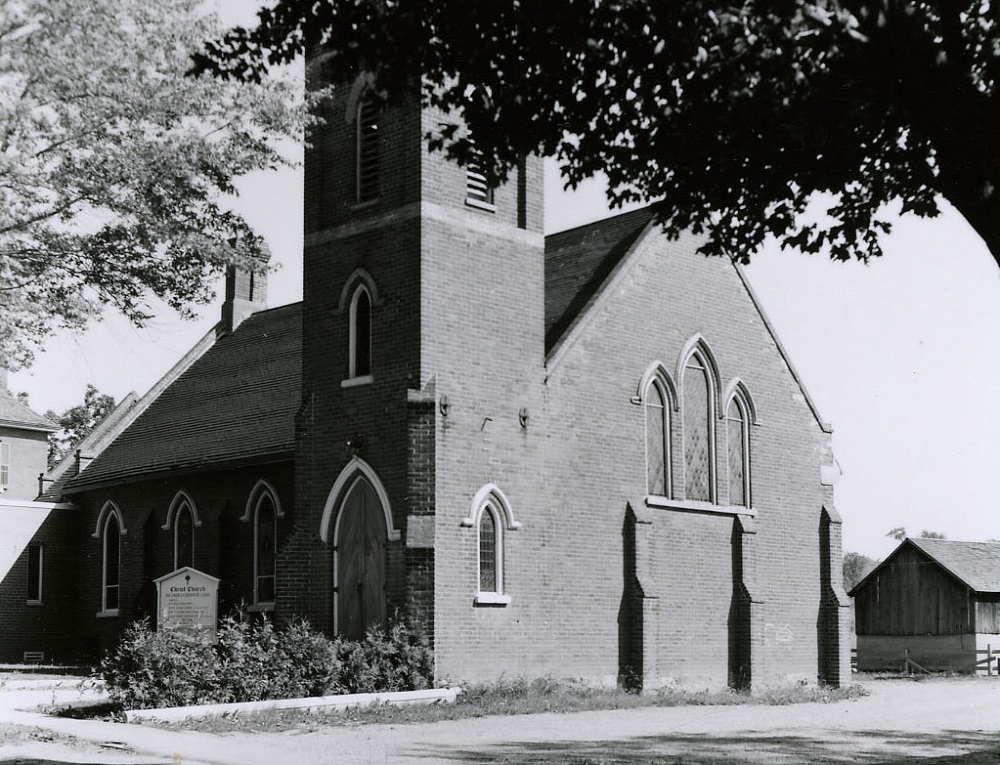
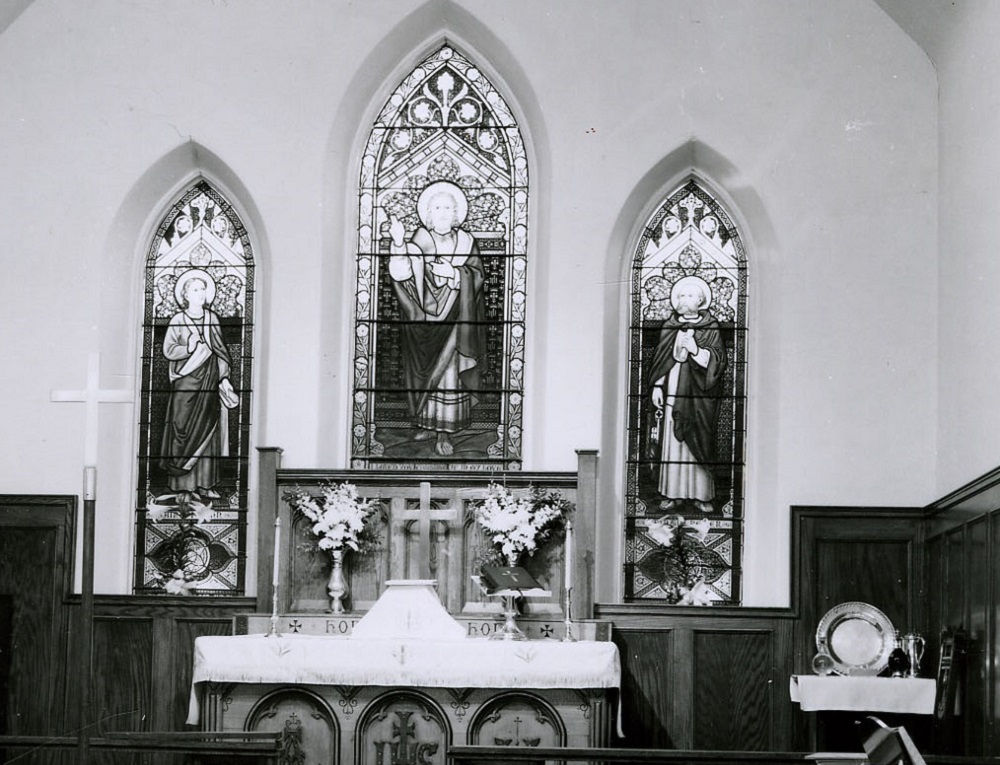
Christ Church Anglican church in Bolton (Tweedsmuir History of Bolton, n.d.)
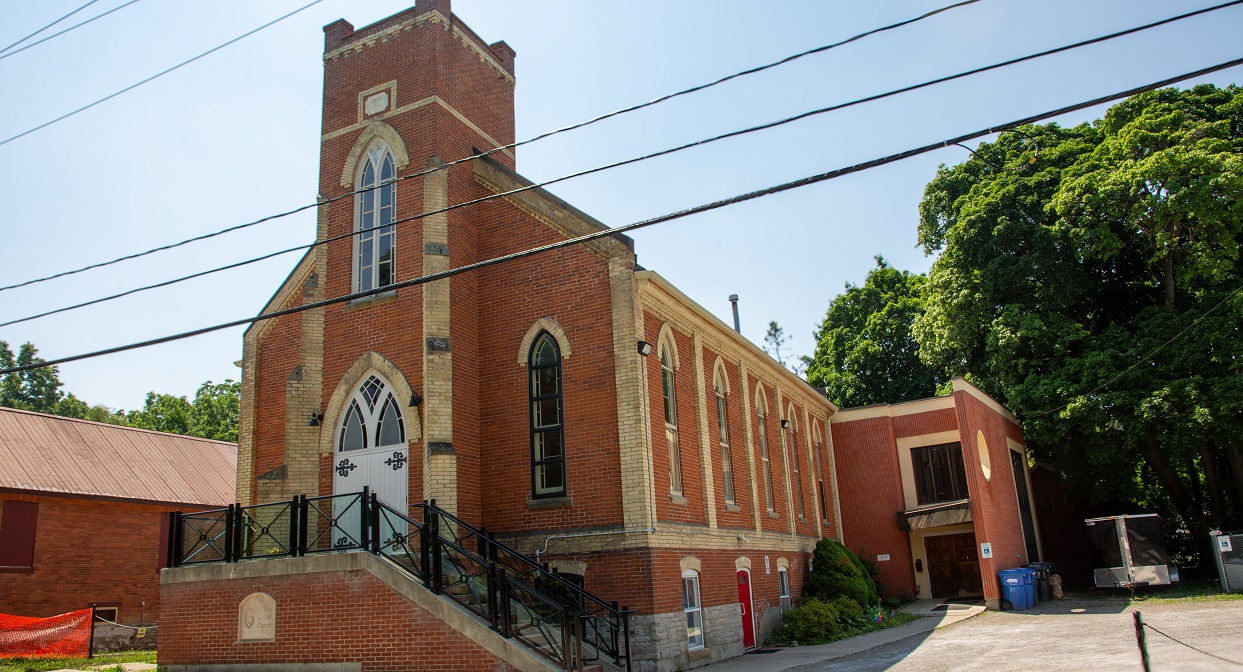
The Wesleyan congregation, later part of the United Church, began in a simple frame building at King and Nancy Streets before commissioning George Watson to build the present church in 1876.
These churches not only served as places of worship but also as spaces where the community came together to support one another, responding to both expected and unexpected challenges.
Adapting to the Land: Jaffary’s Creek & Community Resilience
The United Church was built at a low point along Jaffary’s Creek, a waterway that was largely buried during Bolton’s early development.
In 1978, when the church expanded, the buried creek’s presence was unexpectedly revealed, flooding the excavation site overnight. The community rallied to raise funds and redirect the creek to a storm drain, allowing the project to continue. Their perseverance was celebrated just a few years later with a mortgage-burning ceremony in 1983.
Growing Community: Cultivating Connections Through Food and Nature
Environmental initiatives play a vital role in strengthening community identity.
The Bolton United Church community garden is more than just a green space, it’s a place of connection, resilience, and shared purpose.
The community garden helps to address food insecurity and foster ongoing connection to food production by offering opportunities for residents to grow fresh produce locally. By working together to grow food, residents foster relationships, develop a deeper appreciation for nature, and contribute to local sustainability efforts.
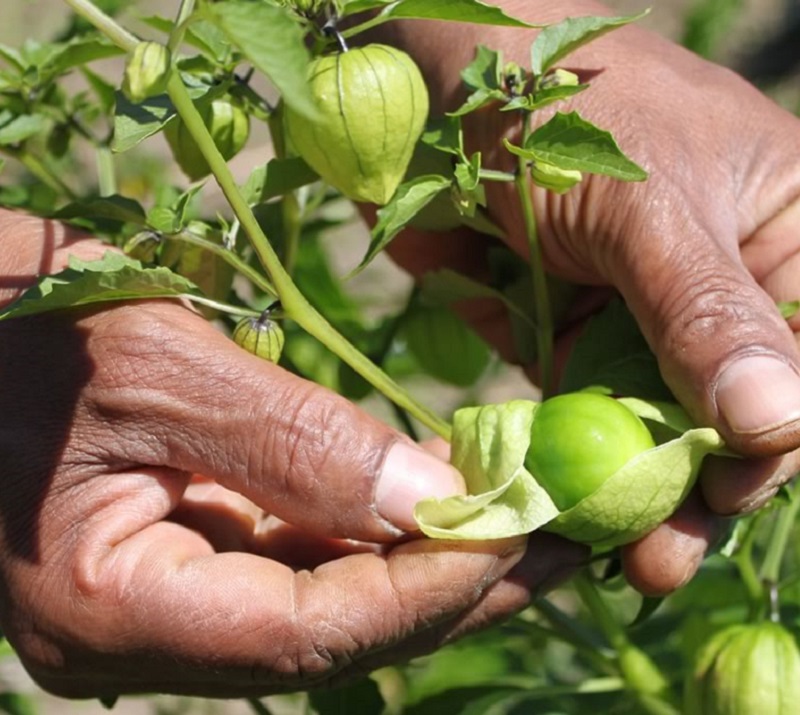
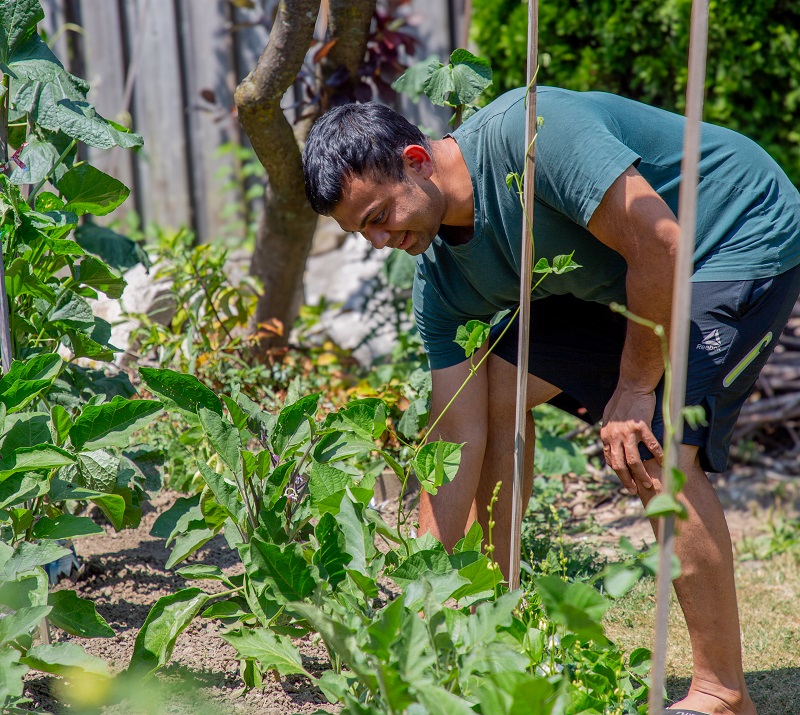
Gardening also provides therapeutic benefits, reducing stress and improving mental well-being while creating opportunities for intergenerational learning.
Citizen science volunteer groups, such as the one that supported the Adam Wallace Memorial Park rain garden, and community environmental challenges also help strengthen community connections and foster a sense of pride, while promoting a healthy local environment and supporting nature.
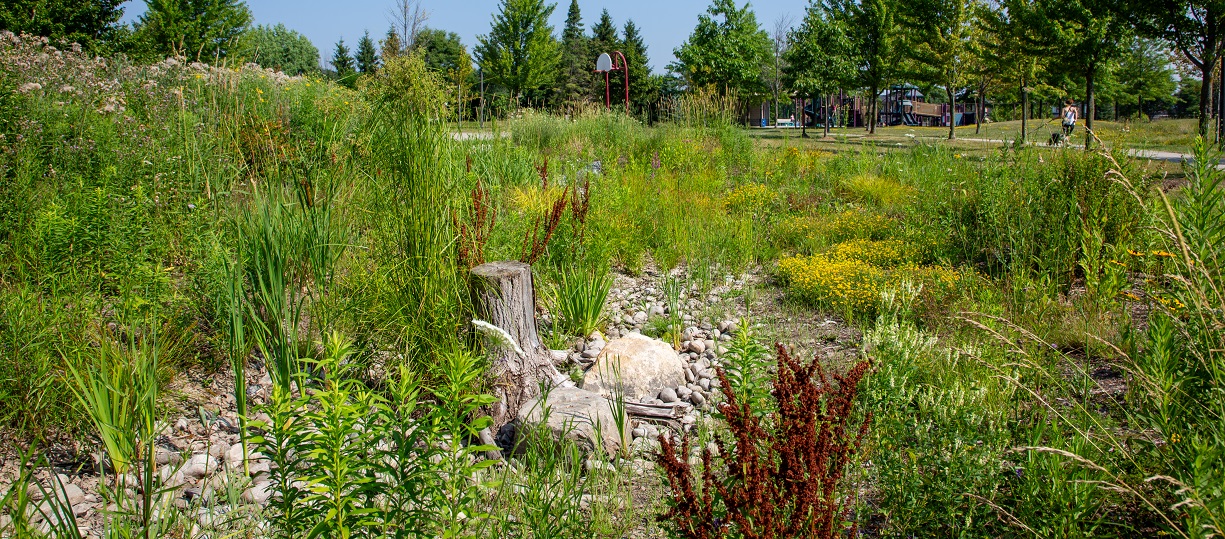
These shared spaces embody the spirit of community care, where resilience and sustainability intersect to support a healthier, more connected Bolton.
Sharing Spaces, Building Futures
Just as early churches sought permanent homes, other faith communities continue that tradition today. In 2023, the Bolton Masjid began meeting in the United Church, demonstrating how places of worship can be shared spaces of connection and belonging.
Perhaps by the time you take the Hidden Creek Walk, the Masjid will have found a permanent home of its own.
Strengthening Community Through Shared Spaces
Throughout Bolton’s history, gathering has been essential to building a strong, connected community.
From early settlers meeting in barns and temporary spaces to faith groups sharing places of worship, these moments of coming together have shaped the town’s identity. Whether through religious institutions, environmental initiatives, or shared community projects, these spaces provide opportunities for support, collaboration, and resilience.
As Bolton continues to grow, the spirit of gathering remains vital. Whether in a place of worship, a community garden, or along the Hidden Creek Walk, each connection strengthens the bonds of belonging, ensuring that the tradition of gathering endures for future generations.
Archival Spotlight
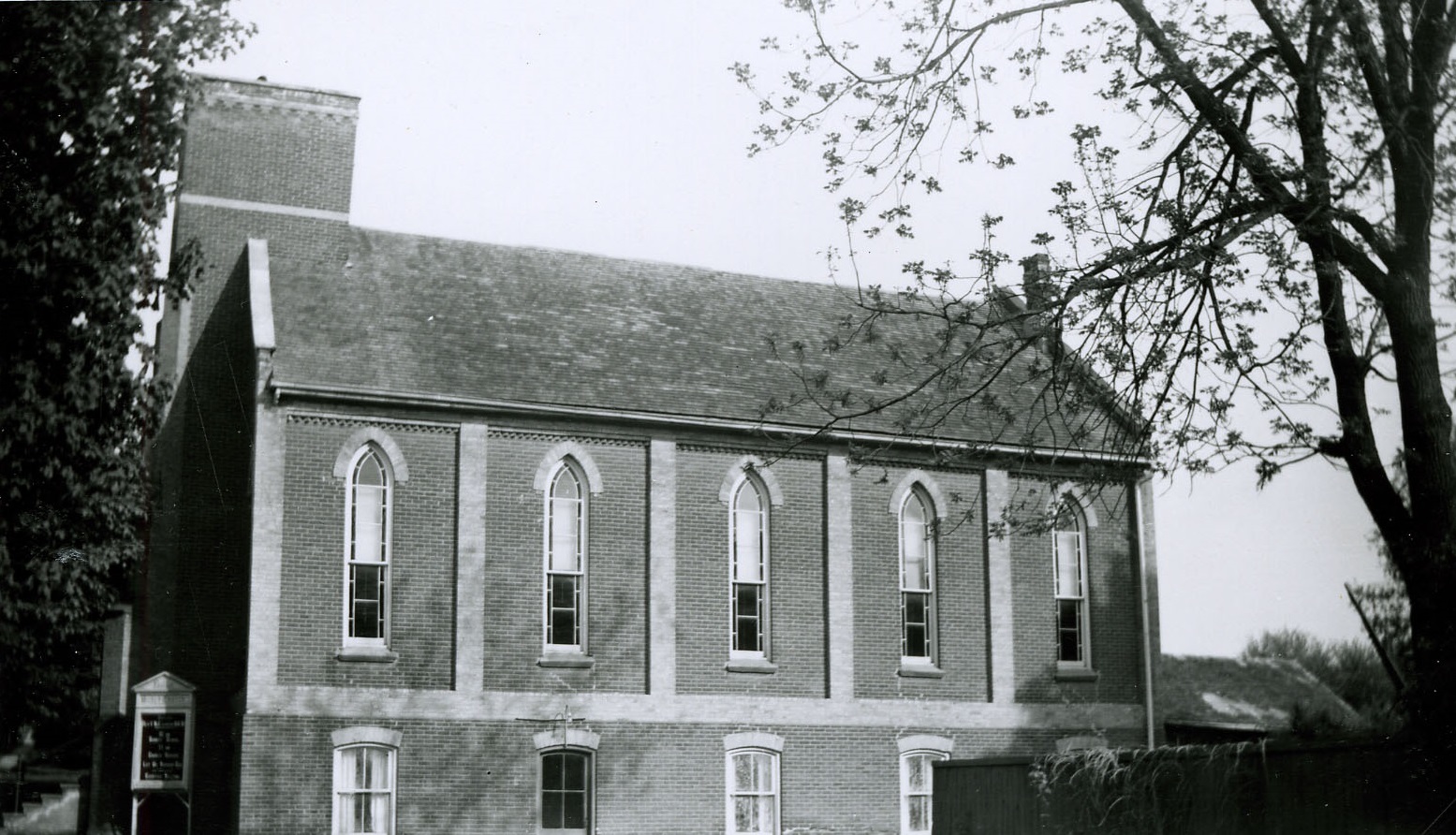
Similar to other United Church buildings in Ontario, Bolton’s United Church was built in the Gothic Revival style; the prominent pointed windows are hallmarks of this architectural style. Interestingly, the church was constructed from bricks made right here in Bolton!
For decades, the congregants entered the building under a large spire over the doorway. You can see today that this spire is no longer on the building. It was removed after being struck by lightning and damaged.