FROM RIVER TO ROAD:
The Evolving Communities of the Humber
For thousands of years, Indigenous peoples have lived along the Humber River and its tributaries, building strong, self-sustaining communities. The Wendat, Haudenosaunee and Mississauga peoples established villages along the riverbanks, farming, hunting, and fishing in harmony with the land and water.
Their knowledge of seasonal cycles, sustainable agriculture, and ecological balance ensured that these lands remained healthy and abundant for future generations.
When European settlers arrived, they reshaped the landscape to fit their vision of community life. Nancy Street, where you now stand, is one of the oldest streets in West Bolton.
First appearing on maps in the 1870s, it was named after Nancy Stork, Bolton’s first librarian. During this time, Ontario’s professional class was growing wealthy, and many sought to build homes that reflected their status.
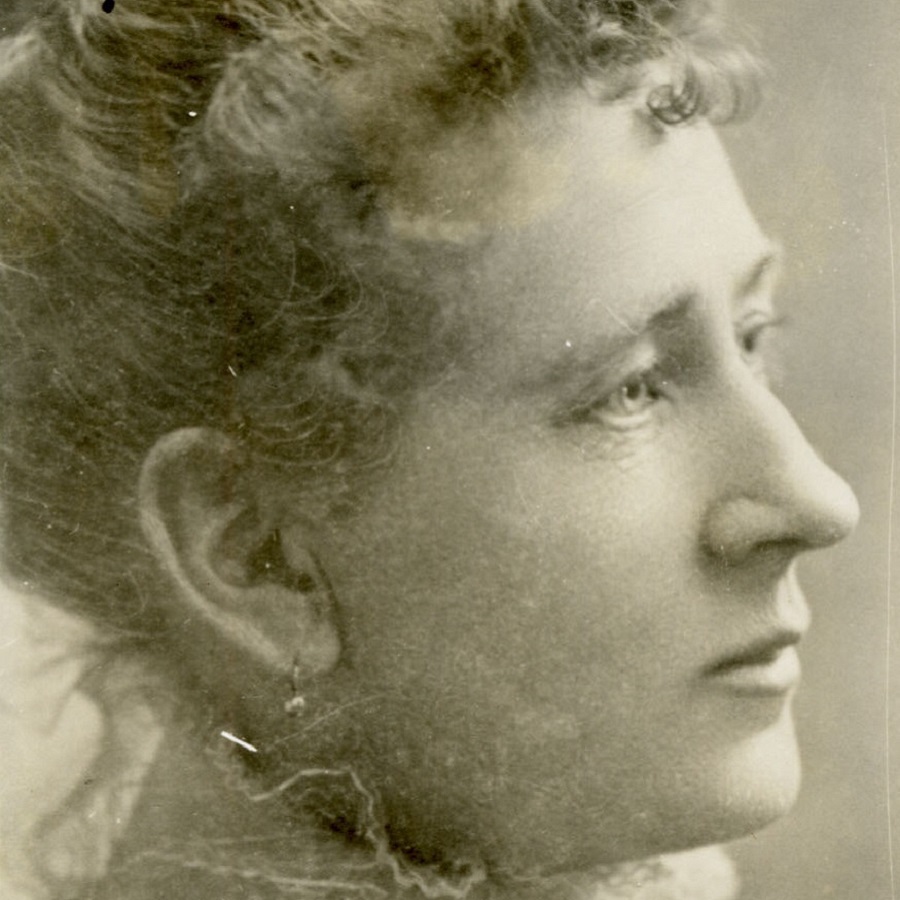
(Tweedsmuir History of Bolton, n.d.)
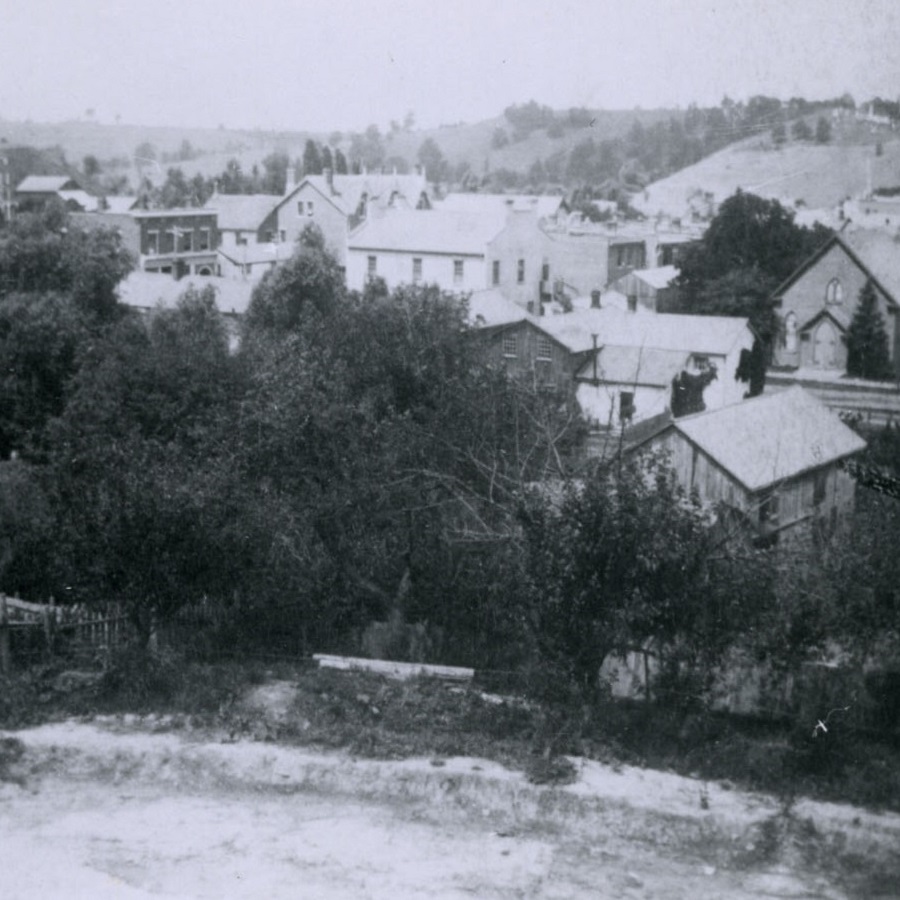
(Tweedsmuir History of Bolton, n.d.)
The red brick houses along Nancy Street were built for artisans and professionals who contributed to the town’s economic and social life. George Watson, a well-known builder, was responsible for many of these homes, designing them in the Victorian Gothic style, which reflected the era’s preference for decorative architecture that suggested the high-status of the home’s owner.
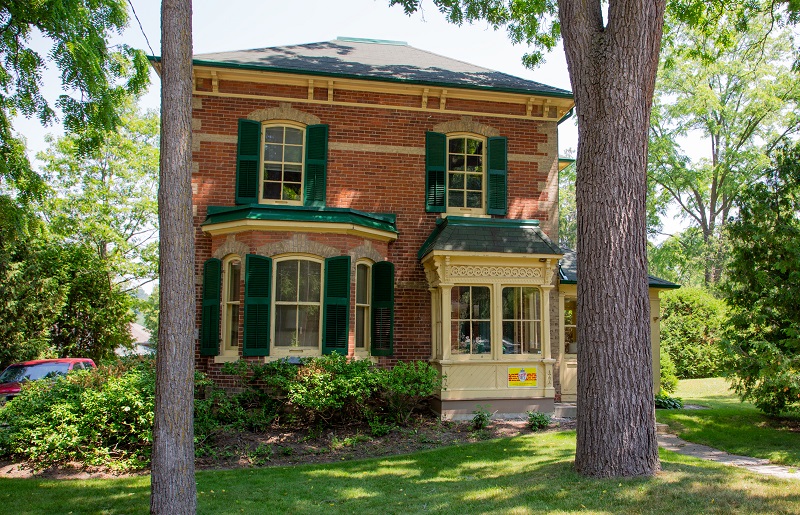
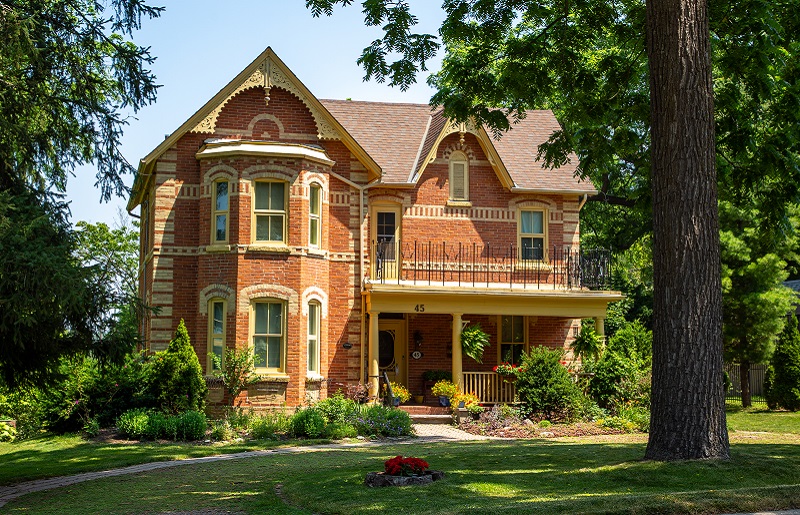
Homes on Nancy Street today.
Though the land and its use changed over time, the Humber River has remained a central part of life for those who have called it home.
From Indigenous villages to settler streets, this area continues to reflect the evolving relationship between people, place, and community.
Living Sustainably
For generations, Indigenous communities have lived in harmony with the land, practicing stewardship and conservation. Today, blending traditional knowledge with modern technology can help reduce our environmental impact.
Since the late 1800s, homes have relied on natural gas for lighting and later for heating and cooling. However, rising energy costs and growing climate concerns highlight the need for cleaner, more sustainable alternatives.
Heat pumps offer a low-carbon solution, using electricity instead of fossil fuels to heat and cool homes efficiently; with Ontario’s electricity now 90% emissions-free, transitioning to clean energy is a practical step toward sustainability.

There are many other ways to make your home more energy-efficient and climate-friendly. Simple do-it-yourself improvements, like sealing drafty windows and doors, planting native trees or pollinator gardens, or installing a rain barrel, can make a meaningful difference.
Bigger upgrades, such as improving insulation or updating heating, cooling, and appliances, can further reduce your home’s environmental impact. A home energy audit is a great way to identify the changes that will have the most impact.
By embracing innovative solutions and learning from the past, we can create a more climate resilient future.
TRCA’s Sustainable Neighbourhood Action Plan (SNAP)
From 2018 to 2024, West Bolton SNAP homeowners received support through the Sustainable Neighbourhood Action Program (SNAP), including personalized guidance and resources to help make environmentally friendly home upgrades.


These improvements, ranging from energy and water efficiency to eco-landscaping, can help residents save money while reducing their environmental impact.
Whether you’re continuing or just starting your green home journey, you can find additional local resources, tools, and support through:
- TRCA’s Climate Ready Homes Program
- The Centre for Community Energy Transformation (CCET)
- Town of Caledon’s Energy and Environment programs
Living Together: Building Resilient Communities Through Climate Action
When neighbourhoods come together, they become stronger in the face of environmental challenges. Collective action not only reduces emissions but also helps protect local ecosystems and strengthens community bonds.
By working together, residents can create solutions that safeguard their homes, public spaces, and natural surroundings from the growing risks of climate change.


Collaboration is key, not just in times of crisis but in everyday efforts to adopt sustainable practices.
Whether it’s implementing energy-efficient technologies, restoring green spaces, or drawing on Indigenous knowledge of land stewardship, communities that embrace sustainability are better equipped to protect both people and the environment.
By combining innovation with traditional wisdom, we can build neighbourhoods that are resilient, connected, and committed to preserving the land for future generations.
Archival Spotlight
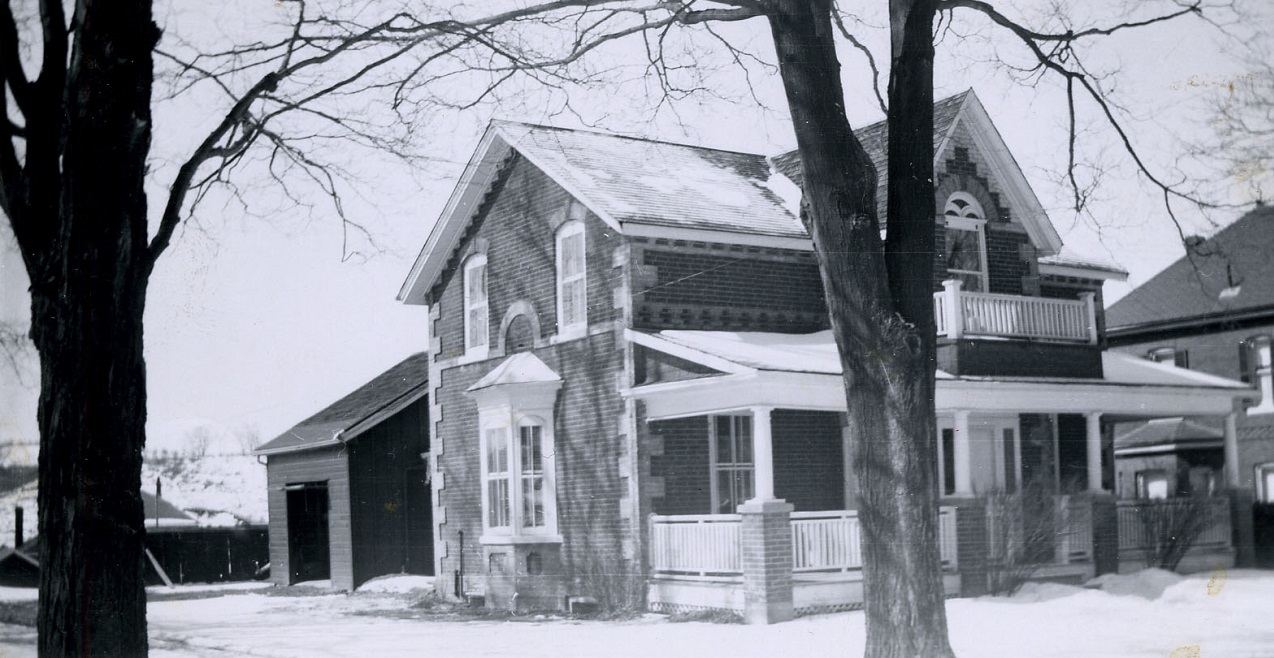
George Watson built his own home at 38 Nancy Street in 1873. The Victorian Gothic style house is characterized by large windows, pointed arches, and a steep roof.
A second style known as Italianate was also popular on Nancy Street. Watson built 31 Nancy Street in Italianate style for George Smith, a skilled painter and woodwork finisher, in 1884.
Some prominent Italianate features include flat roofs, tall first-storey windows, and protruding eaves.
While these homes were designed for beauty and function, many 19th-century houses also featured smaller, separated rooms with doors, which was an architectural choice that reduced heating needs and can be more energy efficient than today’s open-concept layouts.
How might historic design choices like these inspire more sustainable housing today?
See if you can identify different home styles on Nancy Street and throughout Bolton!