
PART TWO: Flora Discoveries
For more than two decades, biologists at Toronto and Region Conservation Authority (TRCA) have been monitoring the health of our watersheds by documenting the incredible biodiversity within them.
In this post, we highlight some of the rare and unique plants and vegetation communities found in forests, wetlands, beaches, and tallgrass prairies.
Our monitoring work includes two complementary efforts:
- Annual biological inventories: Supporting conservation land management and watershed planning priorities
- Long-term Regional Watershed Monitoring Program sites: Helping us track ecological trends and watershed health over time across our jurisdiction
This year marks a major milestone: the 25th anniversary of the Regional Watershed Monitoring Program! This milestone celebrates our ongoing commitment to science-based conservation!
Forest Plants
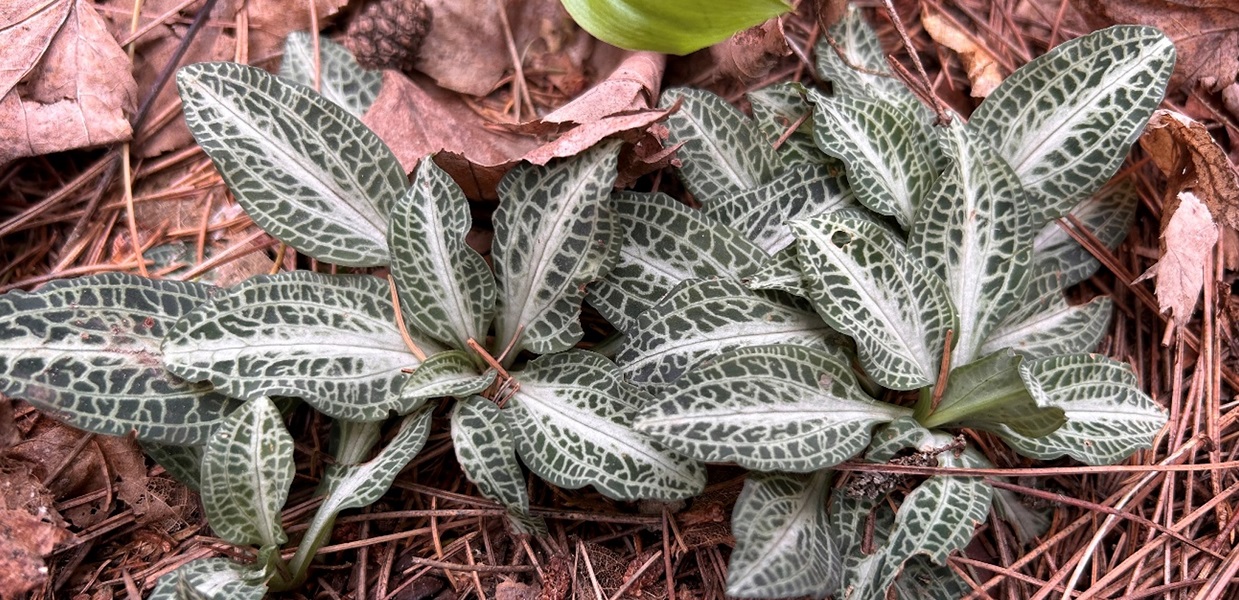
A member of the orchid family, the Downy rattlesnake-plantain (Goodyera pubescens) is ranked as a Regional Species of Conservation Concern in TRCA’s jurisdiction. It is easily identified by its striking green leaves with white, net-like veins that grow close to the forest floor.
It grows in a variety of forests, preferring shaded, well-drained soils with a high sand content. In summer or early fall, it sends up a slender spike of small white flowers above its leaves, adding to its delicate beauty.
The green-flowered pyrola (Pyrola chlorantha) is a small, native plant that thrives in cool, shady places with well-drained, acidic soils rich in humus. It grows in coniferous and deciduous forests, as well as swamps and bogs; the 2025 sighting is one of the few known records in TRCA’s jurisdiction.
It grows about 25cm (12 inches) tall and produces clusters of greenish to yellowish-white flowers on a single stem, which are pollinated by insects. Its small, leathery leaves form a low rosette close to the ground.
Interestingly, this plant is a mixotroph, meaning that it gets its energy from both photosynthesis and a partnership with soil fungi. The fungi help the plant absorb extra nutrients through its roots.

TRCA’s jurisdiction is home to three native honeysuckle species: fly honeysuckle (Lonicera canadensis), wild honeysuckle (Lonicera dioica) and hairy honeysuckle (Lonicera hirsute). All are ranked as Regional Species of Conservation Concern.
Unlike invasive honeysuckles that spread aggressively and outcompete native plants, these species were all found growing together in a forest in the northeastern part of our jurisdiction.
They are excellent choices for wildlife-friendly gardens, attracting bumblebees and other insects with their pollen and nectar-rich flowers. In late summer, the blossoms turn into bright red berries that provide food for birds and small mammals.
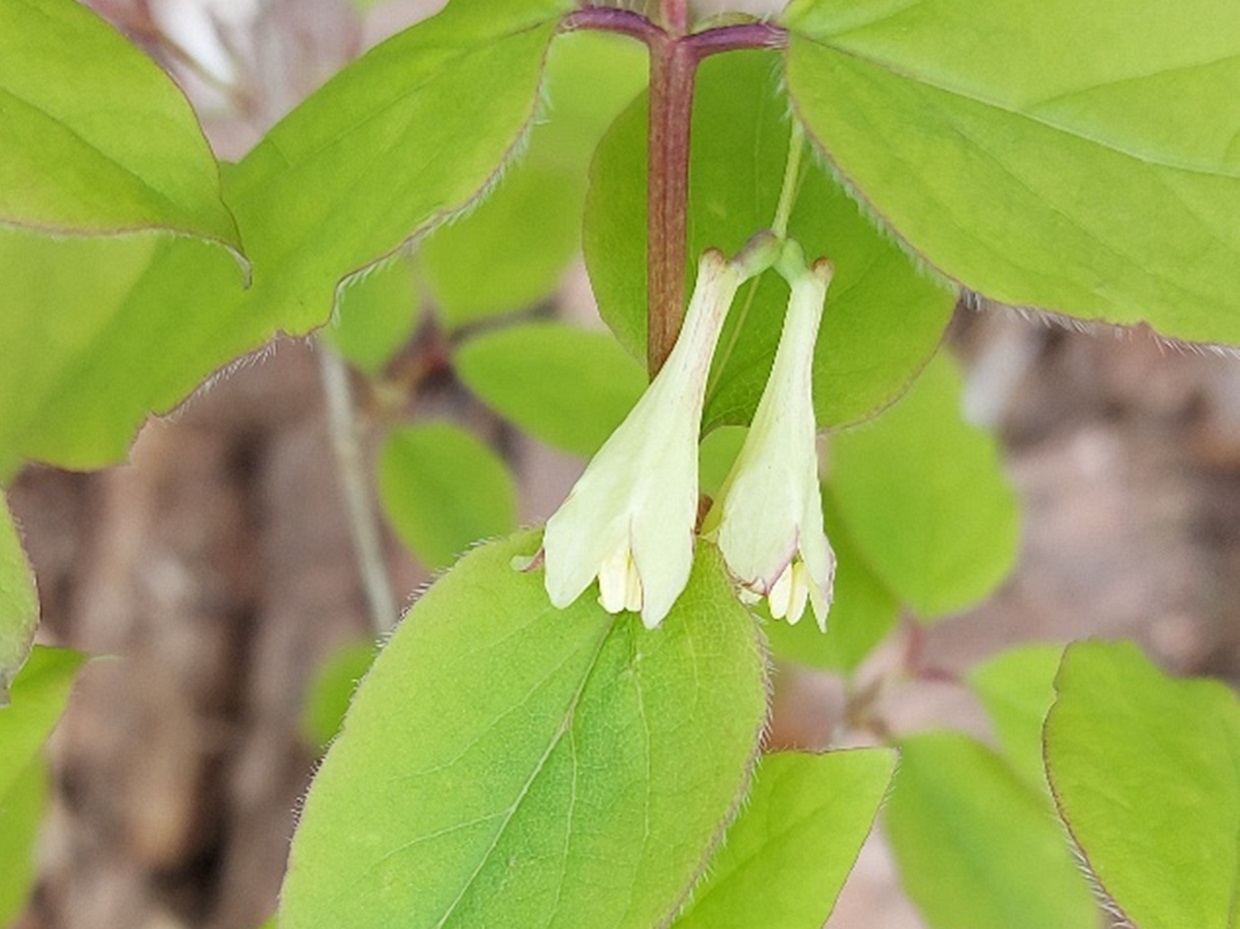
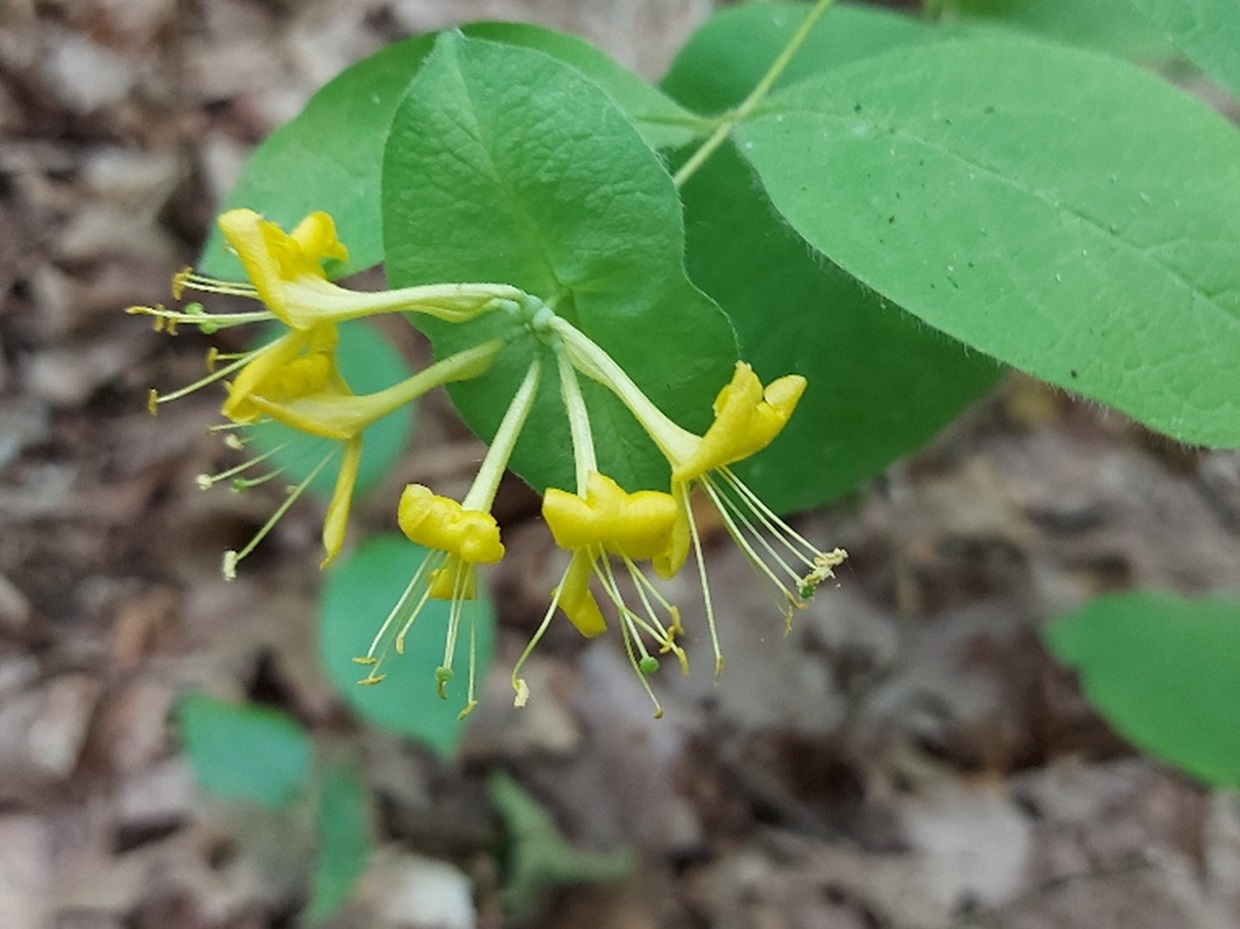
Fly honeysuckle in early May (left) and hairy honeysuckle in late June (right).
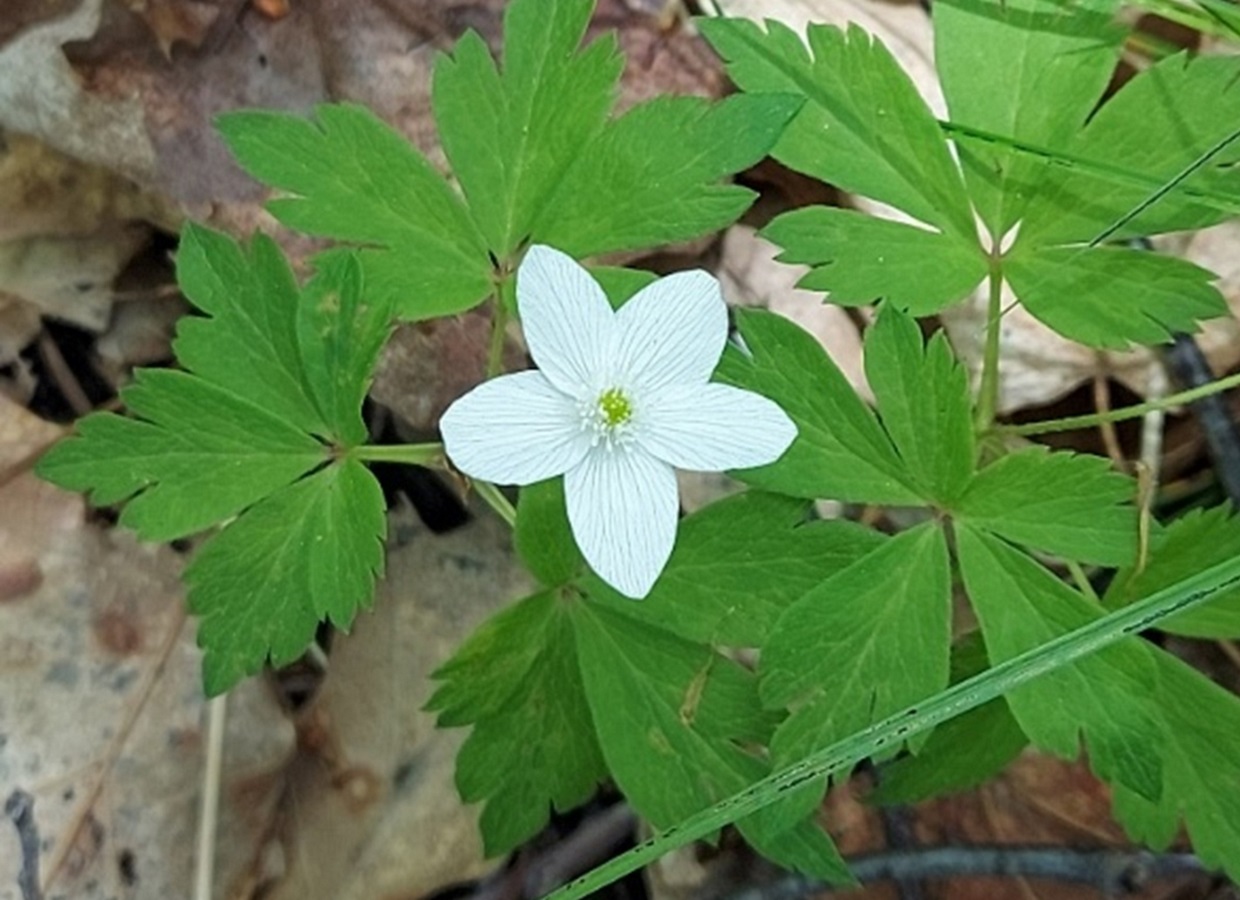
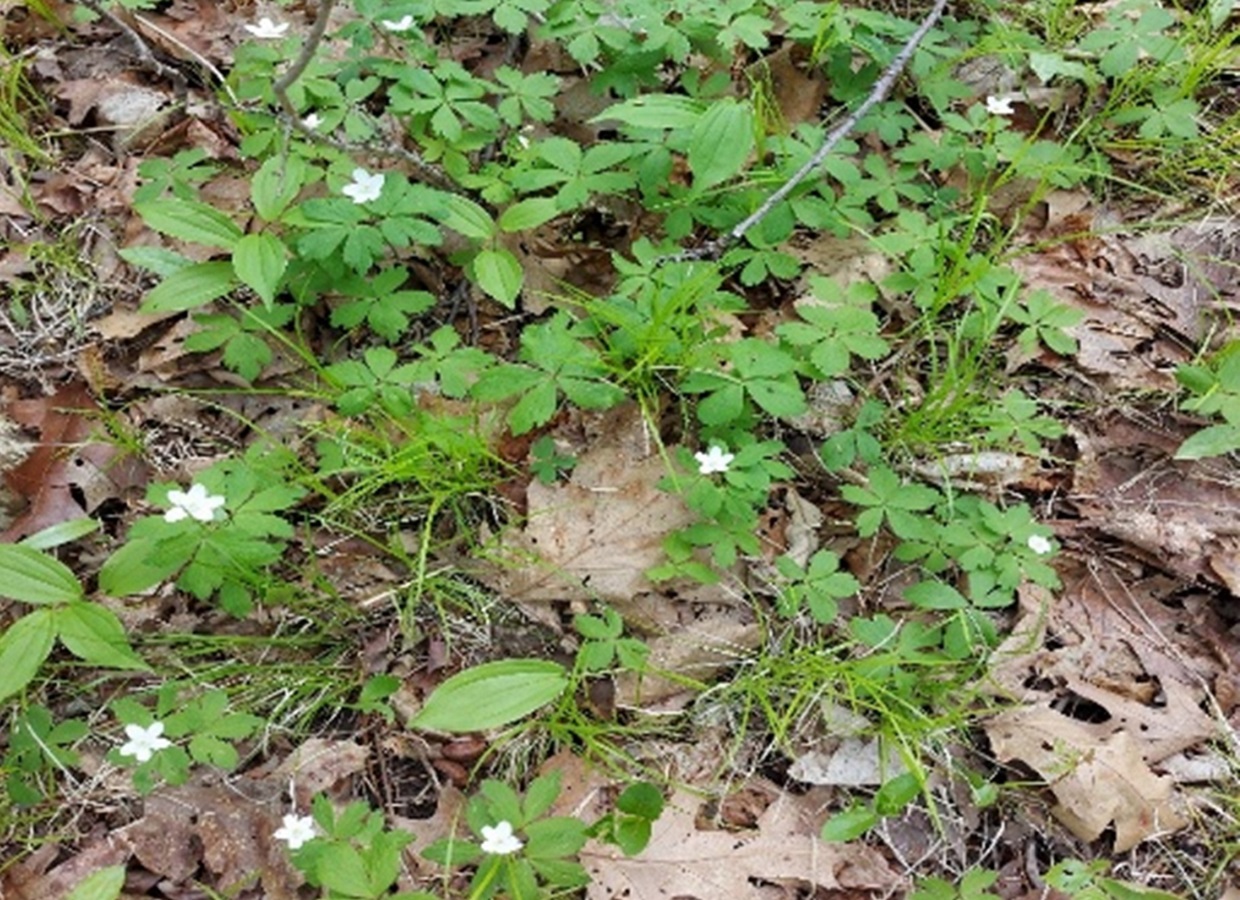
Wood Anemone (Anemone quinquefolia var. quinquefolia) blooms early in TRCA’s rich, moist regional forests. Its small, showy white flowers rise just above the leaves, offering an important source of nectar for early spring pollinators.
The plant spreads by rhizomes, often forming a mat of leaves across the forest floor. Because it can take five years or more to flower, it is listed as a Regional Species of Conservation Concern within TRCA’s jurisdiction.
Back’s sedge (Carex backii) is a Regional Species of Conservation Concern, found in six or fewer of the 44 monitoring plots across TRCA’s jurisdiction.
This small plant is easy to overlook, as its long “grass-like” leaves often hide the much shorter flowers. Its stems vary in length, and some have small spikes near the base of the plant.


Back’s sedge terminal spike hidden by wide bracts (left, center), tufted Back’s sedge (right).
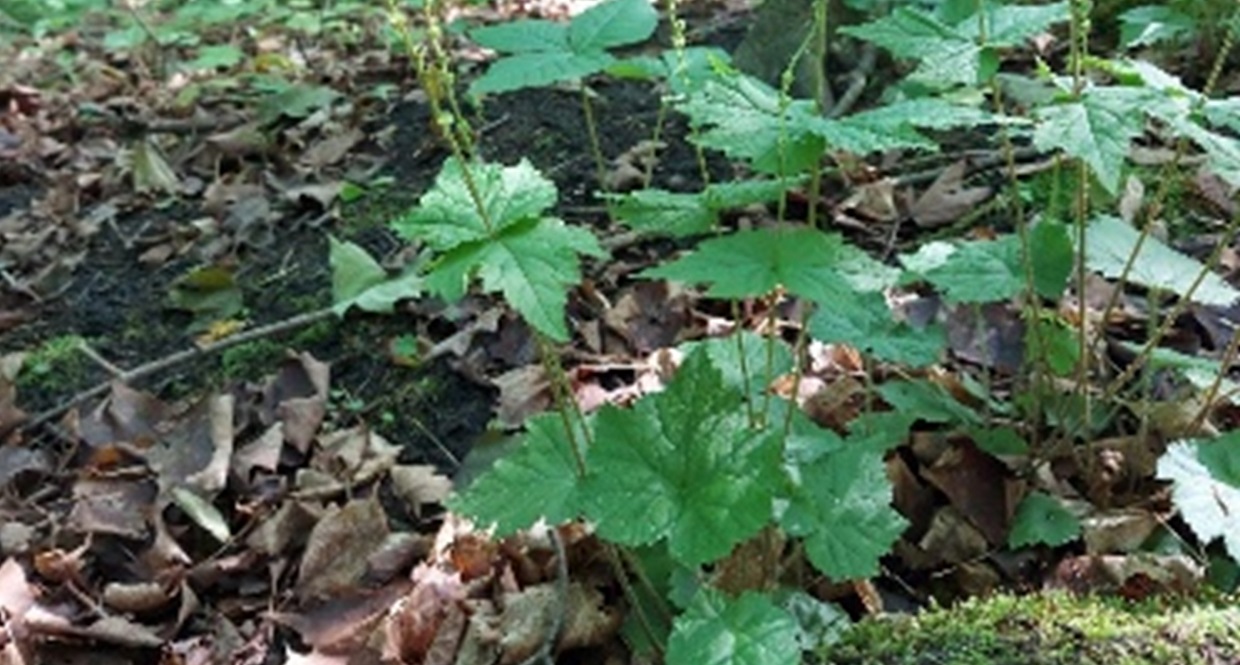
Mitrewort (Mitella diphylla) is a little native wildflower of rich deciduous woodlands, with small and pretty fringed flower petals in long inflorescence.
The flowers develop into mini bowl-shaped fruits that hold tiny black seeds. They are spread when raindrops hit the cups and splash the seeds out. It is a Regional Species of Conservation Concern in TRCA’s jurisdiction. It was abundant in a big, forested area in the northeast part of TRCA’s jurisdiction. It also makes a wonderful shade garden plant.
We also uncovered a small patch of oak woodland tucked into a ravine near the heart of downtown Toronto. Among the finds were black oak trees (Quercus velutina) and a strange-looking plant called ghost pipe (Monotropa uniflora), which doesn’t need sunlight to grow but relies on nutrients from soil fungi.
Black oaks are rare in Toronto. They usually grow in the Humber Plains area, so finding them here was a big surprise. You can tell black oak from the more common red oak (Quercus rubra) by its dark, rough bark and leaves that have tufts of hair on them.
Discoveries like this show that nature can still surprise us, even in busy cities!
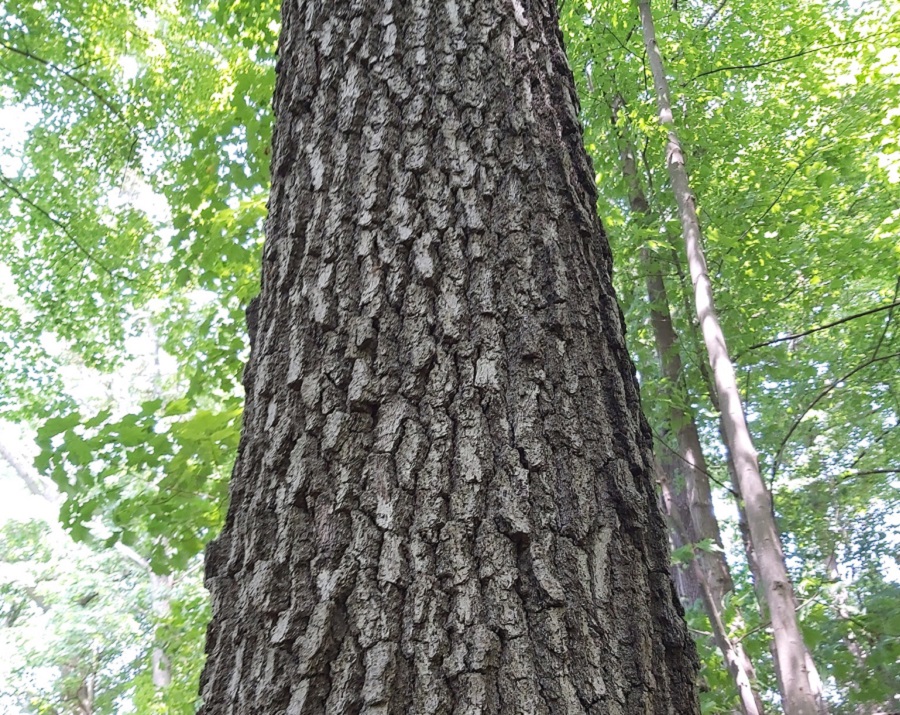
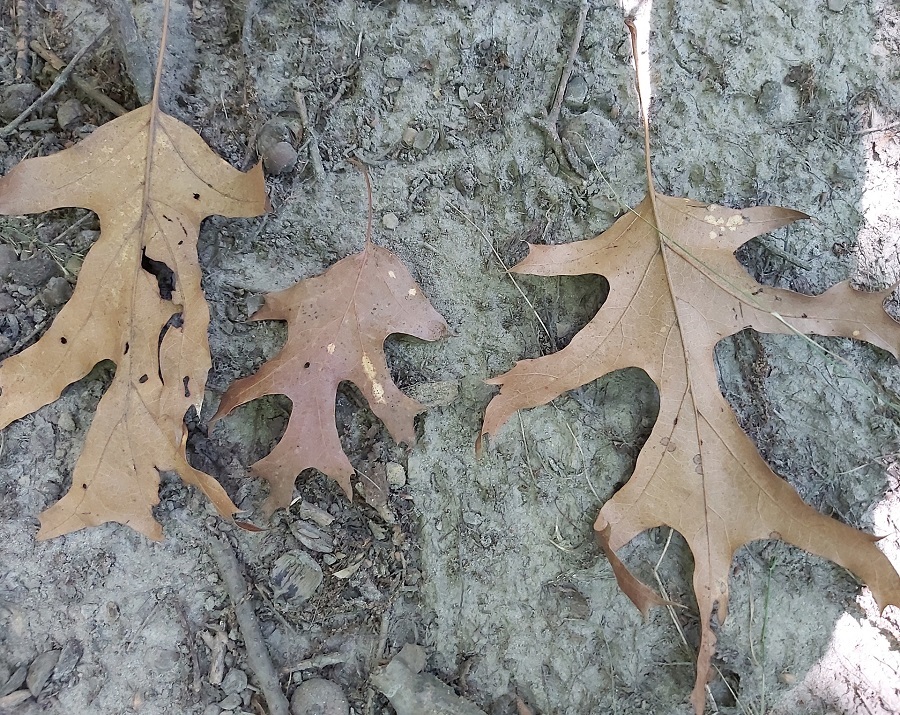
Black oak.
Wetland Plants
This year, our monitoring team found many sensitive species in a seepage fen.
Thin-leaved or green-keeled cottongrass (Eriophorum viridicarinatum) is a native sedge known for its long tufts of white to pale brown, cotton-like flowers. It’s a Regional Species of Conservation Concern that thrives in wet, partly shaded habitats with acidic soils such as bogs, fens, swamps, wet meadows, and marshes.
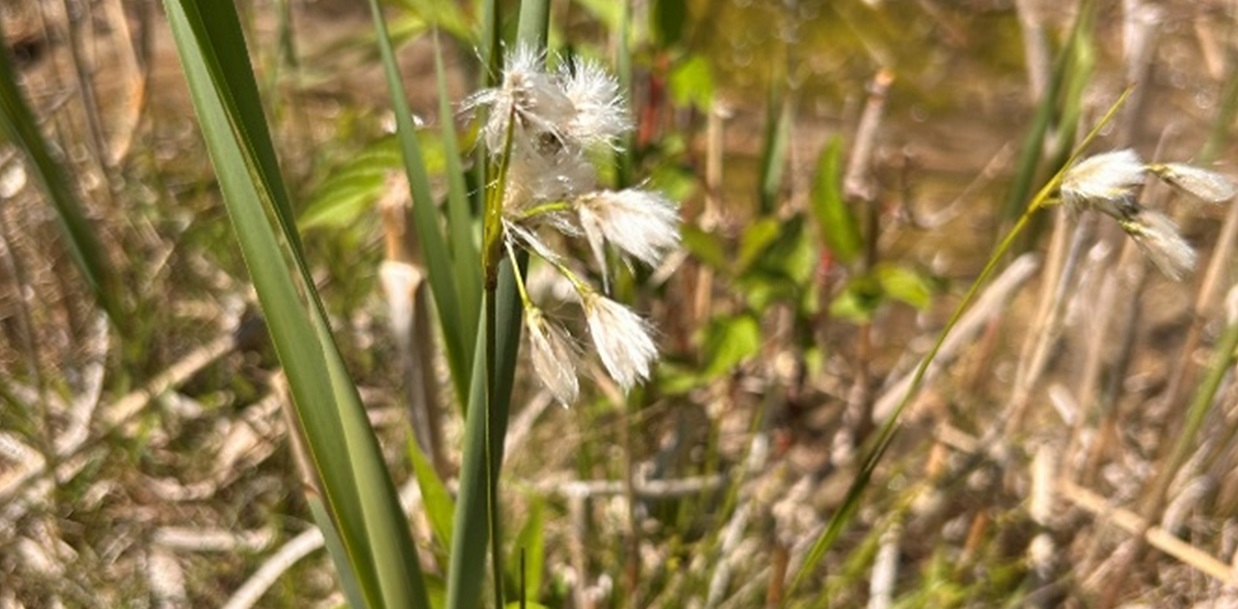
A follow-up visit to this area in September also documented the presence of other Regional Species of Conservation Concern, including fringed gentian (Gentianopsis crinita) and nodding ladies’-tresses (Spiranthes incurva).

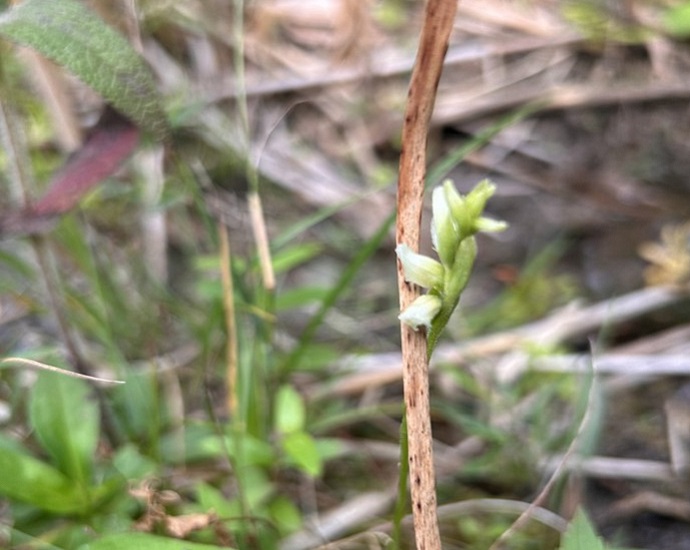
Fringed gentian (left) and nodding ladies’-tresses (right).
Beach Plants
Seaside Spurge (Euphorbia polygonifolia) and Sea Rocket (Cakile edentula) are rare and interesting plants that grow only on the sandy, low-traffic beaches of the Great Lakes. They are considered relic species from a time when the Great Lakes were more directly connected to the Atlantic Ocean. Today, most of their native range is along the East Coast.

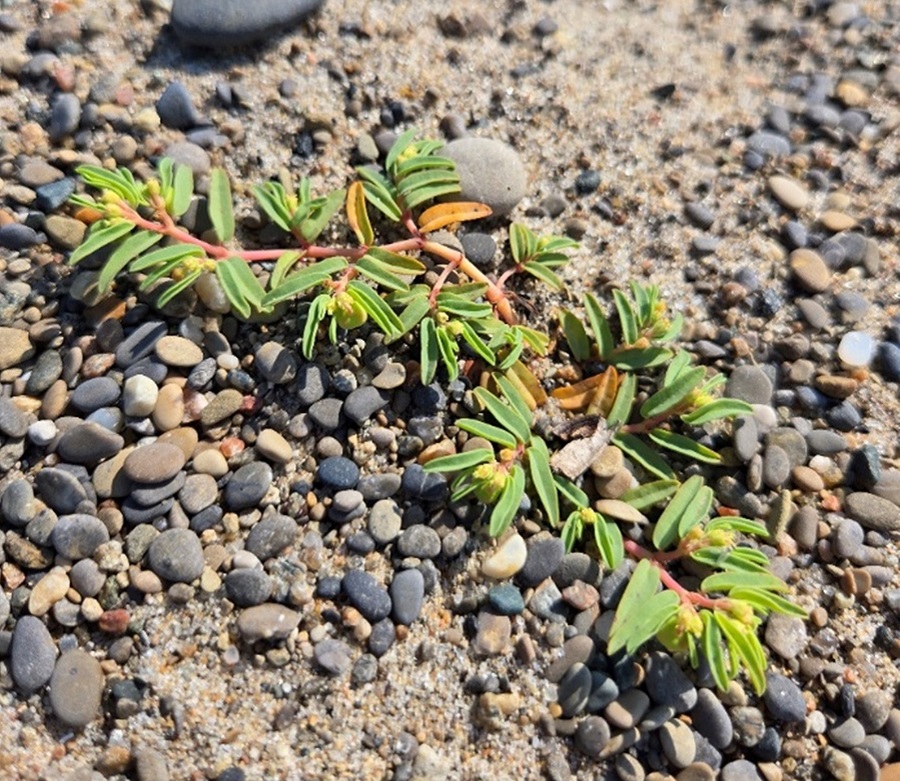
Sea Rocket (left) and Seaside Spurge (right).
The sea rocket has a clever way of spreading its seeds: the lower seeds drop to the ground, while the upper seeds break off and travel by wind or water. This strategy helps the plant maintain its local population while also reaching new areas.
We also found sea rocket thriving alongside other unique beach plants along the Scarborough Bluffs, including Schweinitz’s sedge (Cyperus schweinitzii) and buffaloberry (Shepherdia canadensis).
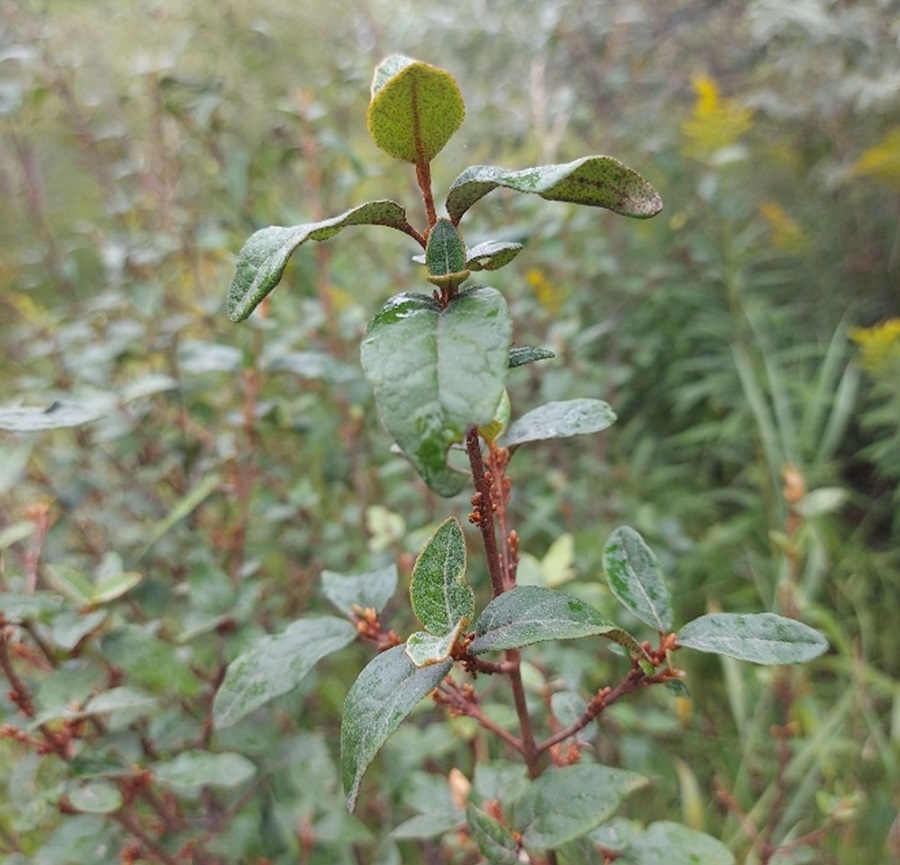

Buffaloberry (left) and Schweinitz’s sedge (right).
It was encouraging to find a group of plants that are specially adapted to living in sandy, windy areas near water. Since beach and bluff habitats are rare in Toronto, it’s great to see nature thriving there.
Tallgrass Prairie Plants
This year’s monitoring surveys in the Rouge River watershed revealed some unique success stories in restored habitats. Among the highlights were thriving populations of different tallgrass prairie plants, originally planted over a decade ago, now well-established and flourishing.
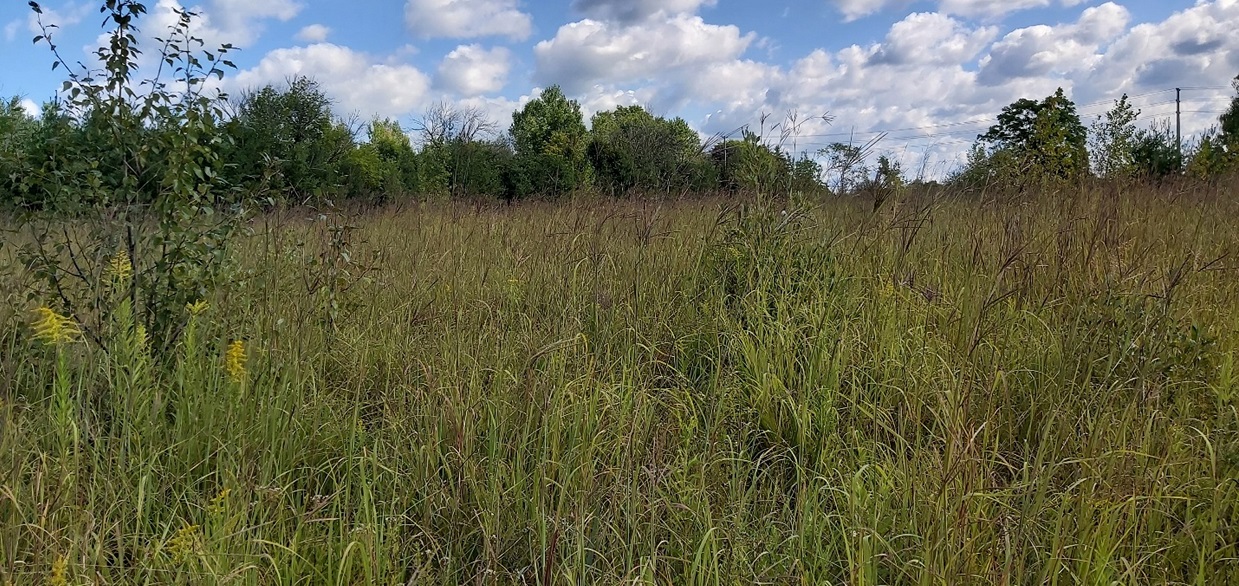
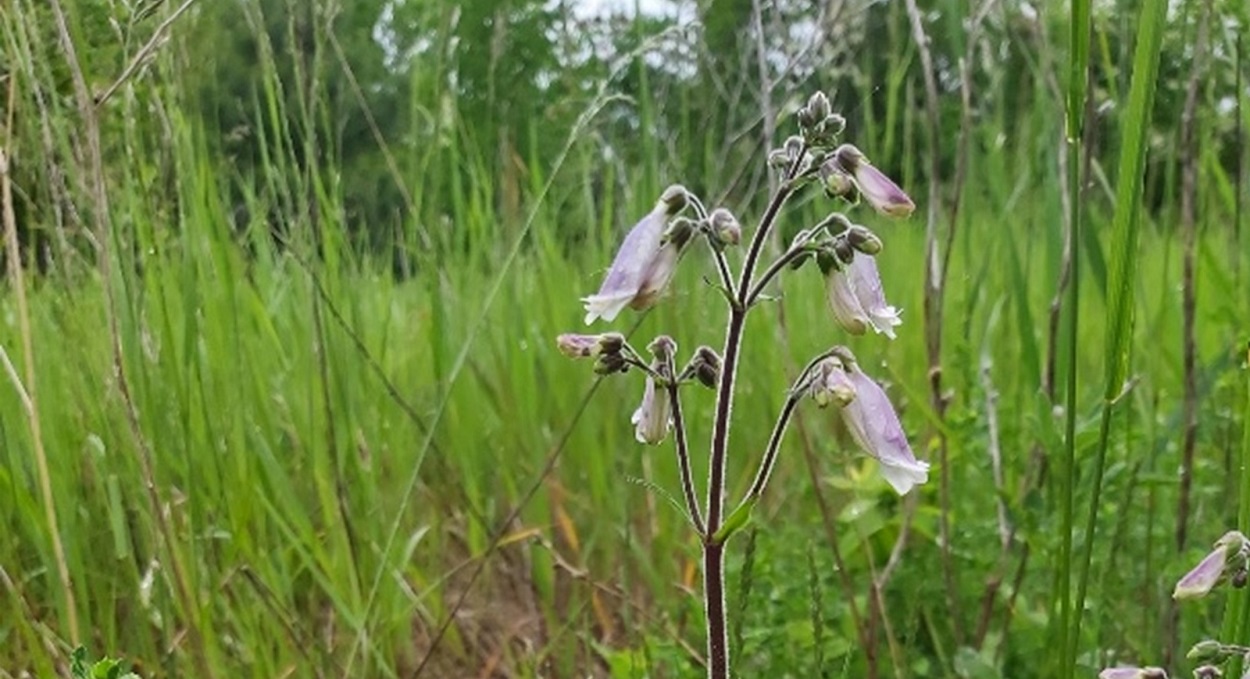
One particularly striking find was hairy beardtongue (Penstemon hirsutus), which has naturally colonized an old gravel roadbed, an environment that closely mimics its native barren habitat.
We also found spike blazing-star (Liatris spicata) thriving in a moist prairie-like area, showcasing the adaptability of these native species.
Most remarkable was the transformation of a poorly drained field, once intensively ploughed for cash crops for over a century, into a swamp ecosystem. The presence of bur oak and blue flag iris signals a shift from agricultural land to a biodiverse wetland.
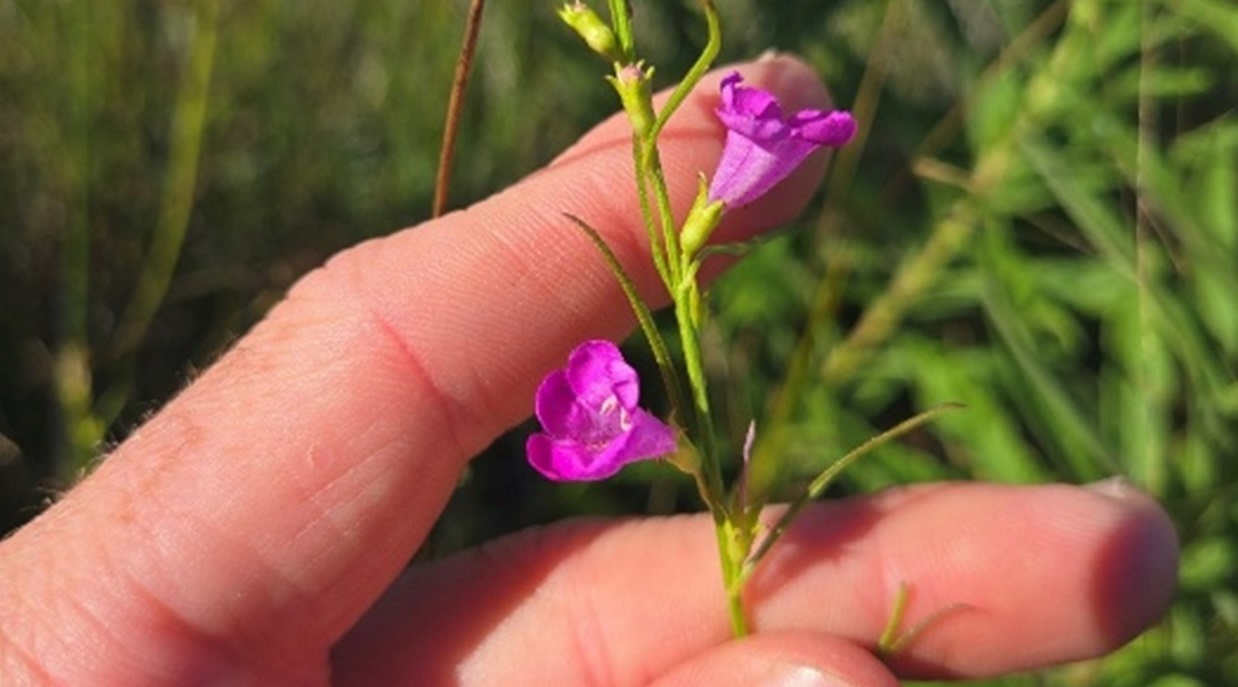
Purple false foxglove (Agalinis purpurea) is an annual plant.
This means it lives its entire life in a single growing season and relies mostly on nutrients from neighbouring plants (i.e., semi-parasitic). It blooms late in the season to align with peak bumblebee activity, ensuring successful pollination by its most important pollinators.
These beautiful, fascinating plants highlight the importance of TRCA’s monitoring efforts in safeguarding the many remarkable species across our jurisdiction.
Visit Part 1 of this blog series to learn about this year’s unique wildlife finds!
Spotted some interesting wildlife in your area? Share your observations with TRCA on Instagram, Facebook, LinkedIn, or X.
Scientific data collection and research inform decisions affecting the natural areas and watercourses within our region. Learn more!