
Toronto and Region Conservation Authority (TRCA) Planning & Development helps protect people, property, and the watersheds we live in, through our development regulation and by taking an active role in planning and development for the region.
We review development proposals that affect our watersheds and regulate development in or near valleys, streams, and wetlands, and along the Lake Ontario shoreline.
What Does TRCA Planning & Permits Do?
Our work protects watercourses, wetlands, shorelines, and valley lands — and it protects you and your neighbours from flooding, erosion and loss of greenspace.
The Conservation Authorities Act and Ontario Regulation 686/21 mandate TRCA to help manage the risks related to the natural hazards of flooding and erosion in accordance with provincial policy and technical guidance.
Managing these risks entails conservation of the natural features, hazards, and areas that TRCA regulates under the Conservation Authorities Act and Ontario Regulation 41/24, contributing to the health and integrity of our watersheds.
TRCA regulated features, such as valley and stream corridors and wetlands, are important for managing natural hazards due their ability to store flood water and prevent erosion.

Every year, the Toronto region experiences severe storms and periodic flooding.
Unrestricted development within a flood plain increases the risk of loss of life, personal injury, and property damage. Fill or new development placed on or near a valley or bluff slope can aggravate existing erosion problems or create new ones.
Development can also affect neighbouring properties by changing the physical characteristics of the valley or flood plain, or drainage to these properties.
Likewise, unrestricted development along the Lake Ontario waterfront may be damaged by flooding due to high lake levels and severe wave action, or by erosion in areas like the Scarborough Bluffs.

We are here to work with homeowners and developers to protect new development from vulnerability due to climate change and severe weather effects.
To do this, we work with you to avoid, minimize, and mitigate impacts from development activity within Regulated Areas.
Every site is unique: developing a home near downtown Toronto’s ravines is different from developing a home on a rural lot, and the same is true for different infrastructure projects like new roads or pipes.
- We encourage private property owners or developers to discuss their individual project with our Development Planning and Permitting Planners.
- We encourage infrastructure and utility providers to discuss their individual project with our Infrastructure Planning and Permitting Planners.
Landowners, developers, and consultants interested in obtaining more information on planning reviews or on applying for a permit approval from TRCA can access information here.
Why Do I Need to Apply for a Permit?
A primary TRCA objective is to prevent the loss of life and property due to flooding and erosion.
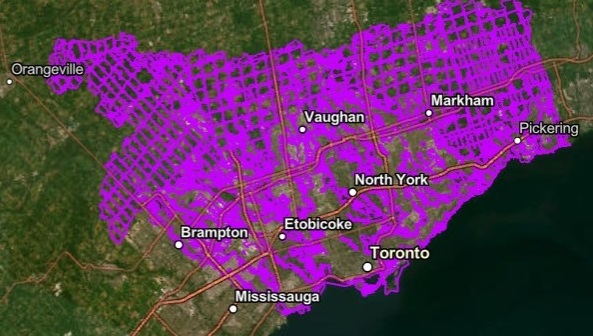
Accordingly, the Conservation Authorities Act and Ontario Regulation 41/24 enable TRCA to issue permits for certain works within a Regulated Area, which captures areas in or near river and stream valleys, the Lake Ontario Shoreline, and wetlands.
Any proposed development, interference to wetlands, or alterations to shorelines or watercourses may require a permit from TRCA.
Prohibitions on development activity in a Regulated Area in the Conservation Authorities Act and regulation are enforced.
Development activity interfering with a wetland or altering a shoreline, watercourse, or river or stream valley without a permit may result in a fine and prosecution under the Conservation Authorities Act.
How Do I Know If I’m on TRCA Regulated Land?
Your property is likely regulated by TRCA if the land includes or is adjacent to a watercourse, river or stream valley, wetland, shoreline, and/or hazardous land like a steep slope or a flood plain. Flood plains, in particular, are not always apparent.
You can determine generally if your property is regulated by filling in your address in our Regulated Area Search, or by contacting one of our Development Planning and Permitting Planners or Infrastructure Planning and Permitting Planners for assistance.
Projects That May Require a Permit
Development activity in a Regulated Area can include the placing or excavation of fill, building a new home, or replacing an existing home.
Development activity can also include constructing home additions, garages and sheds, decks, and pools, or landscaping.
Projects That Do Not Require a Permit
Section 5 of Ontario Regulation 41/24 lists “Exceptions”, meaning it describes certain works that are exempt from obtaining a permit, such as a fence meeting certain criteria.
For the full list of “Exceptions”, please see Section 5 of the regulation.
Applying for a TRCA Permit
Select the image below that most closely represents your project for instructions on how to apply for a permit.
Don’t see your project here?
- Developer and Private Residence related Questions:
Contact: Development Planning and Permits - Public and Private Infrastructure related Questions:
Contact: Infrastructure Planning and Permits