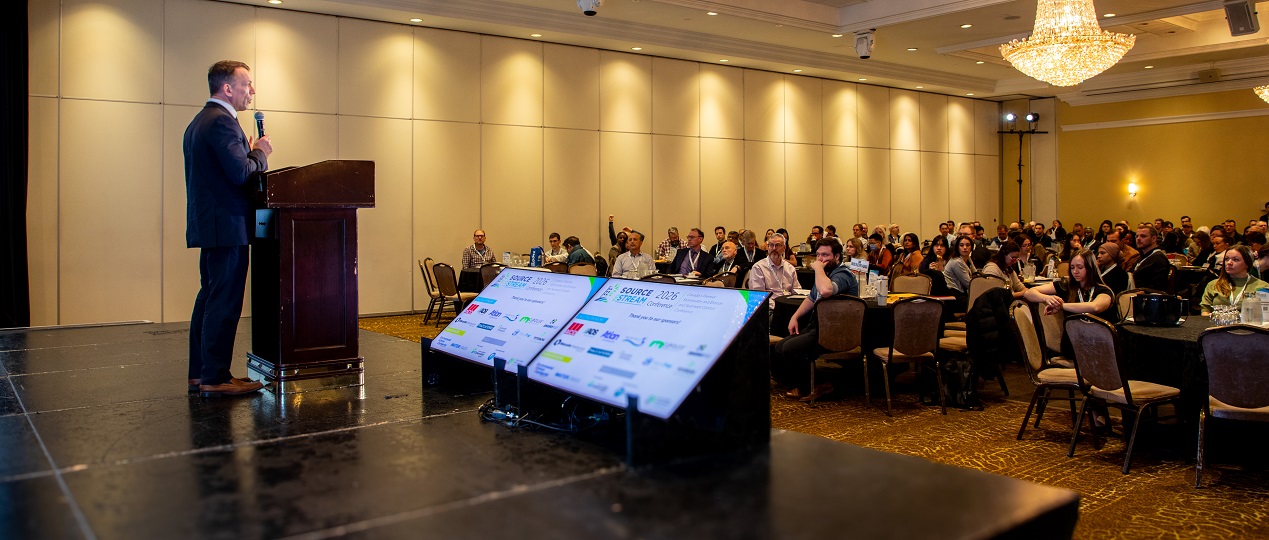
Source to Stream 2026 brought together engineers, ecologists, urban designers, and policy-makers for two days of focused discussion and collaboration. The result was a strong cross-disciplinary exchange that reflects what the field increasingly requires to address complex environmental challenges.
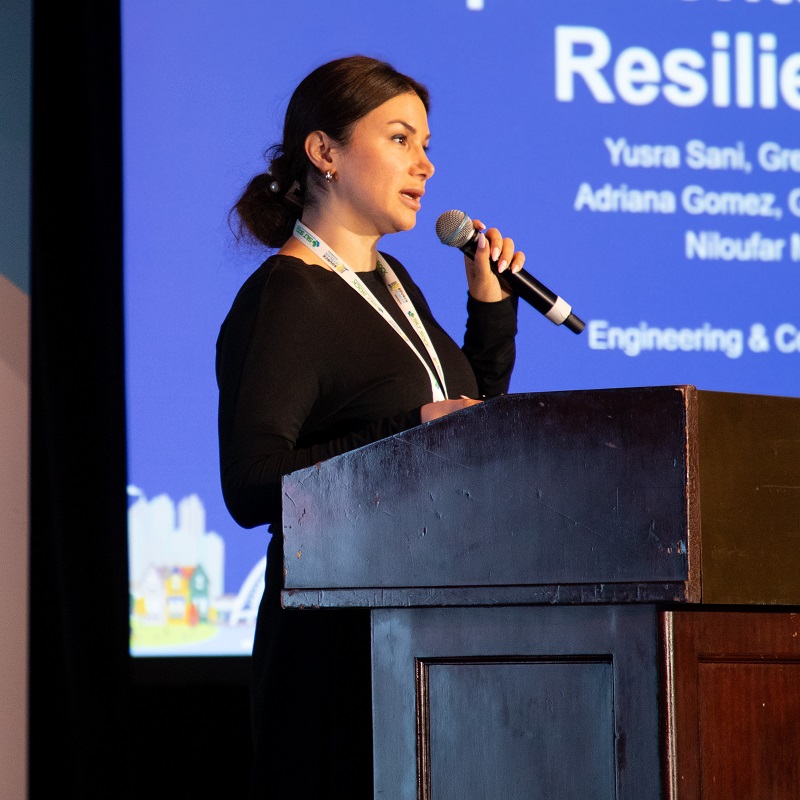
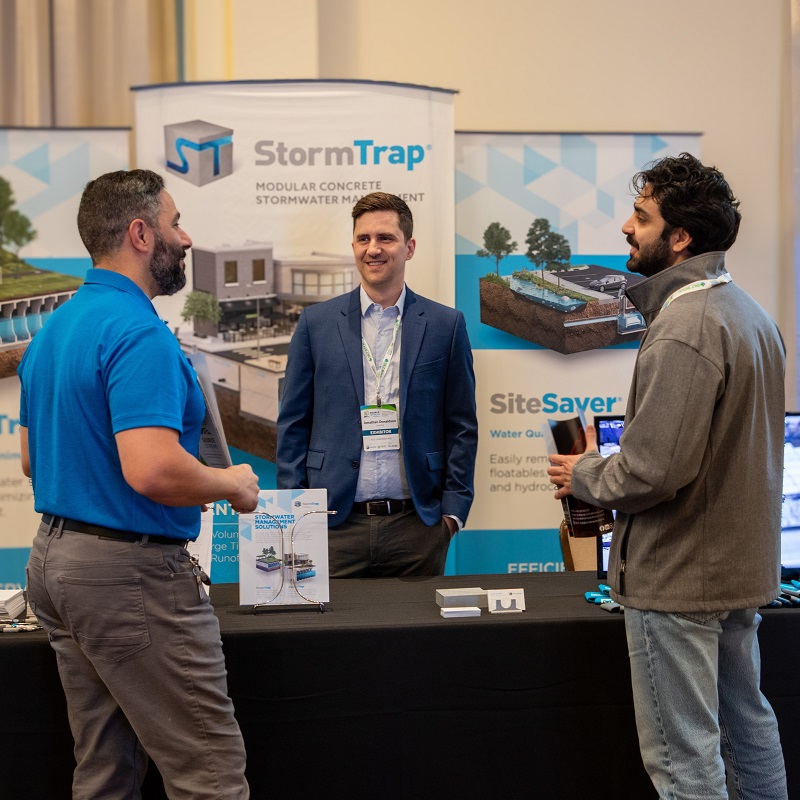
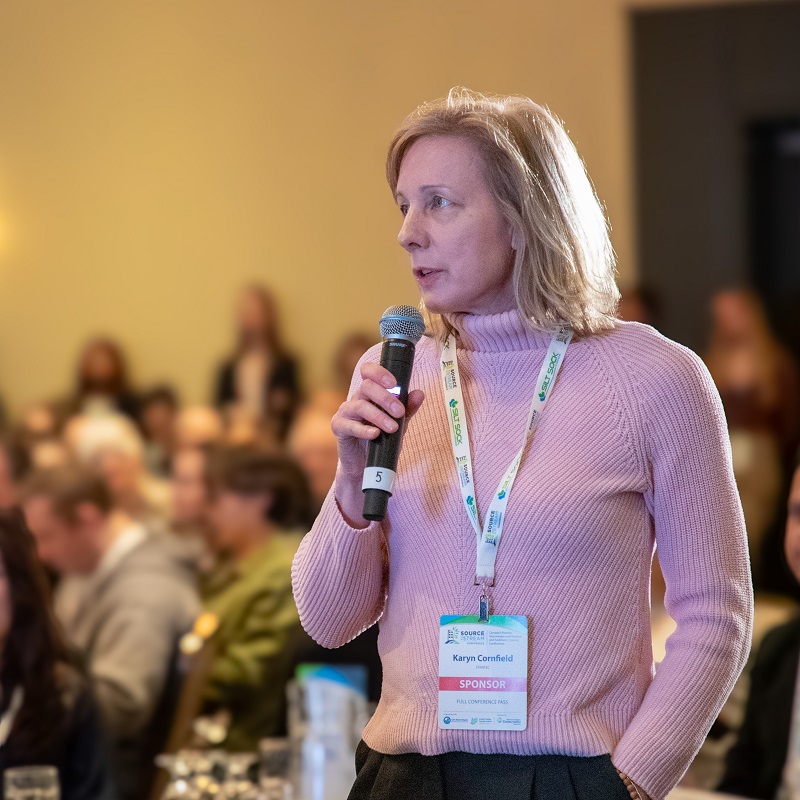
Source to Stream is Canada’s leading conference on stormwater and erosion and sediment control.
Held March 31 to April 1 at the Pearson Convention Center in Brampton, Source to Stream convened practitioners and researchers from across North America to address pressing issues in water management, including aging infrastructure, urban resilience, and designing cities that work with natural systems.
Organized through Toronto and Region Conservation Authority’s (TRCA) Sustainable Technologies Evaluation Program (STEP), the conference continues to serve as a leading forum for advancing practice in stormwater management, low impact development, erosion and sediment control, and stream restoration.
Setting the Stage
TRCA Chief Executive Officer John MacKenzie opened the conference by reinforcing a theme that carried throughout the event: resilient communities are built by integrating environmental and social considerations from the outset. The most effective cities and watersheds are those where ecological function and human need are planned and designed together.
Rethinking Public Space as Environmental Infrastructure
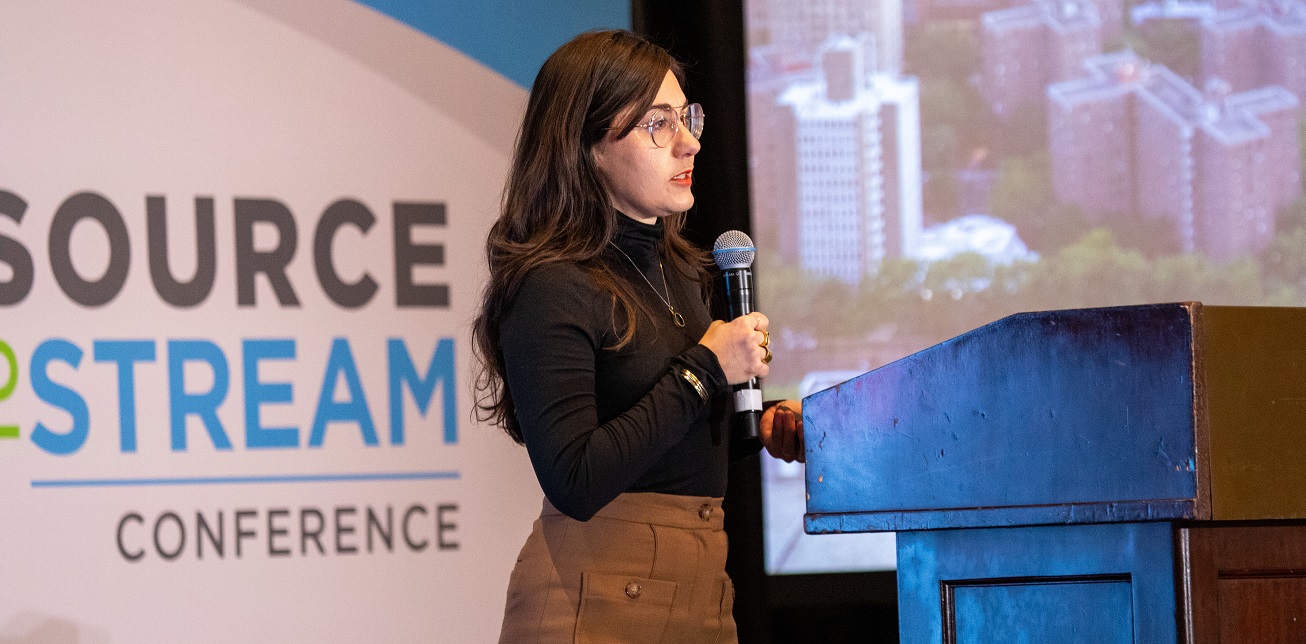
One of the most discussed sessions featured Isabel Castilla, Associate Partner at Field Operations. Drawing on projects such as The High Line in New York City, The Underline in Miami, and Toronto’s The Bentway, Castilla demonstrated how public spaces can function as both valued community assets and critical environmental infrastructure.
Two Decades of Stream Restoration, Reconsidered
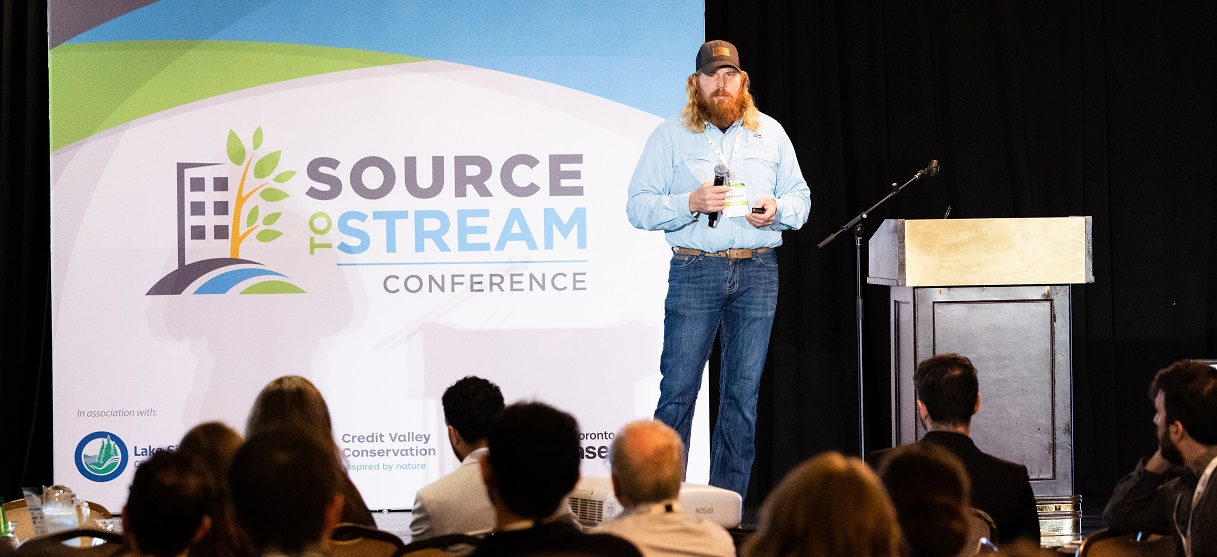
In the stream restoration and erosion control track, David Bidelspach of 5 Smooth Stones Restoration presented on the evolution of restoration practices over the past two decades.
Comparing 3-D Stream Restoration approaches in 2005 with today’s 3-D Ecosystem Corridor Design, he highlighted a shift toward more integrated, multidisciplinary methods that improve project outcomes and reduce risk.
Expanding the Knowledge Base
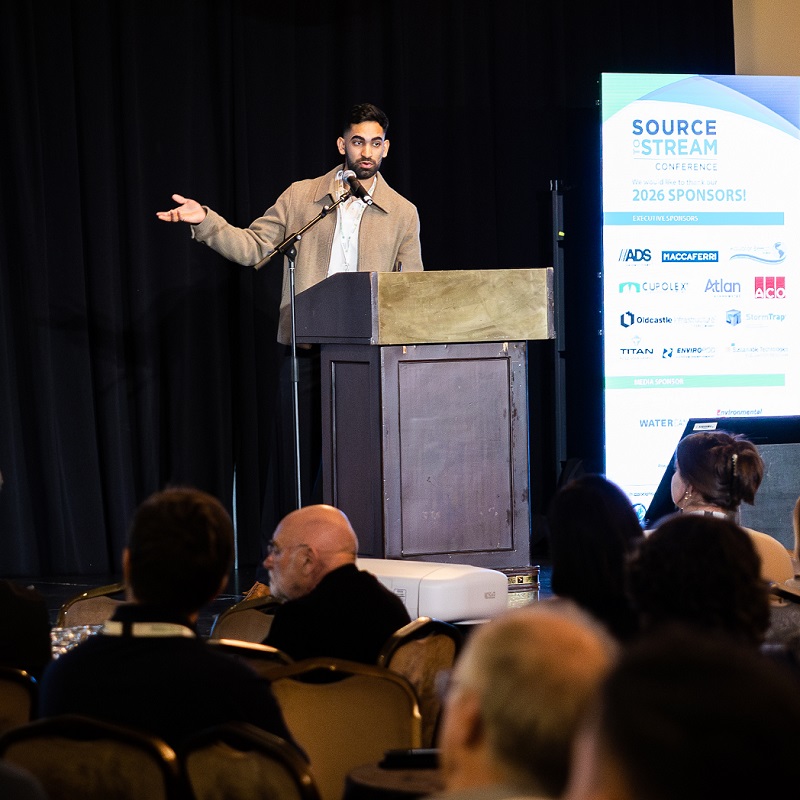
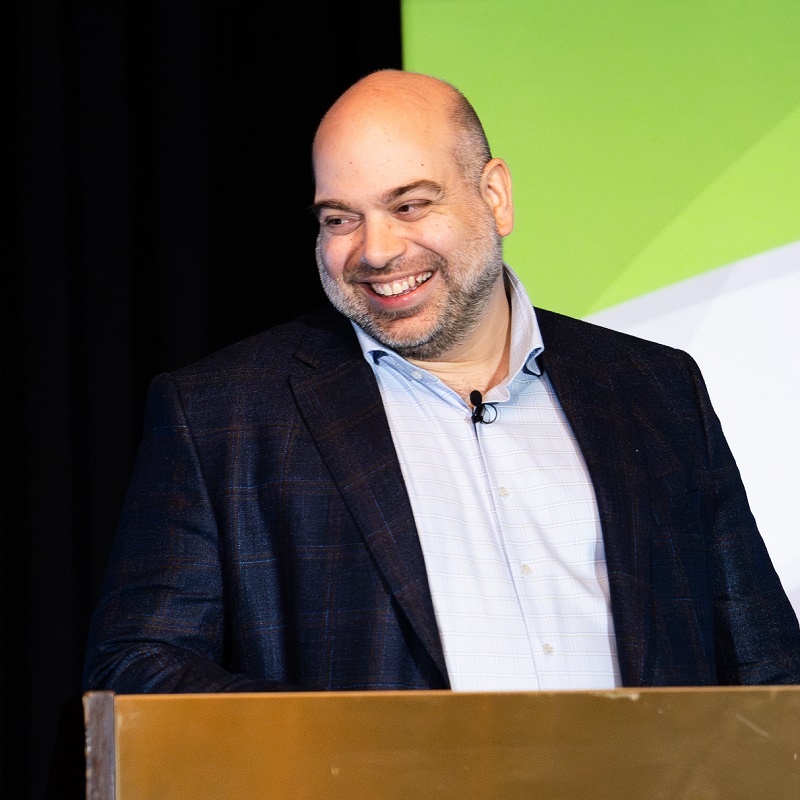
Andy Erickson of the University of Minnesota introduced a new Cold Climate Stormwater Center of Excellence, designed to strengthen collaboration between researchers and practitioners in northern regions where conventional approaches are often insufficient. A complementary session from the City of London and Montrose Environmental Solutions highlighted work along the White Oaks tributary, demonstrating how stormwater management, habitat restoration, and public access can be integrated into a single corridor system. Source to Stream’s 2026 speakers included industry-leading experts from across North America. What distinguished Source to Stream 2026 was not a single presentation, but the cumulative impact of conversations across disciplines. The challenges facing our watersheds and urban environments are inherently interconnected, requiring coordinated approaches that extend beyond any one field. By bringing together diverse expertise, the conference continues to play a critical role in advancing integrated, practical solutions. Source to Stream will return in 2027, continuing to build on the ideas and partnerships that are shaping the future of water management and resilient communities. 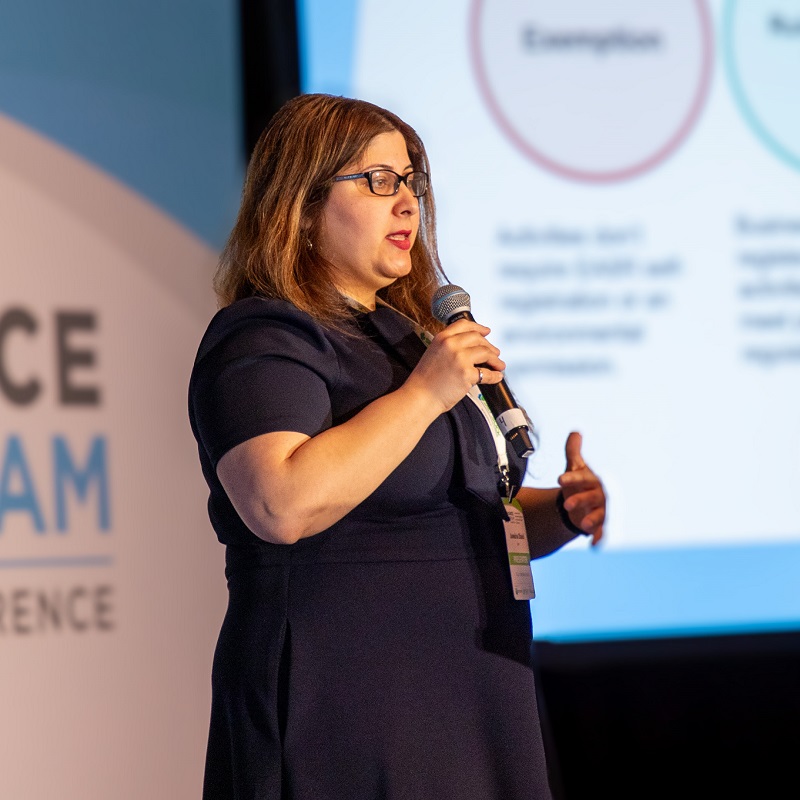
Why It Matters