Climate Ready Homes
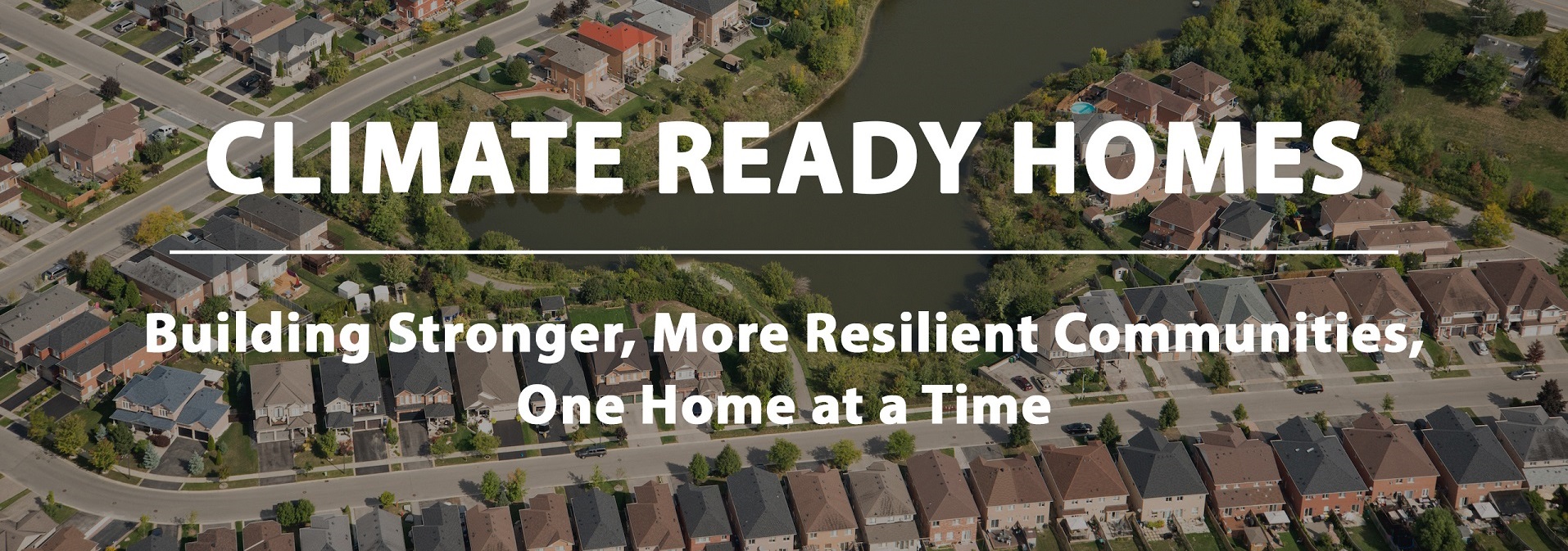
Toronto and Region Conservation Authority (TRCA), with support from the Peter Gilgan Foundation and the RBC Foundation, leads the Climate Ready Homes Program to empower residents to create sustainable homes.
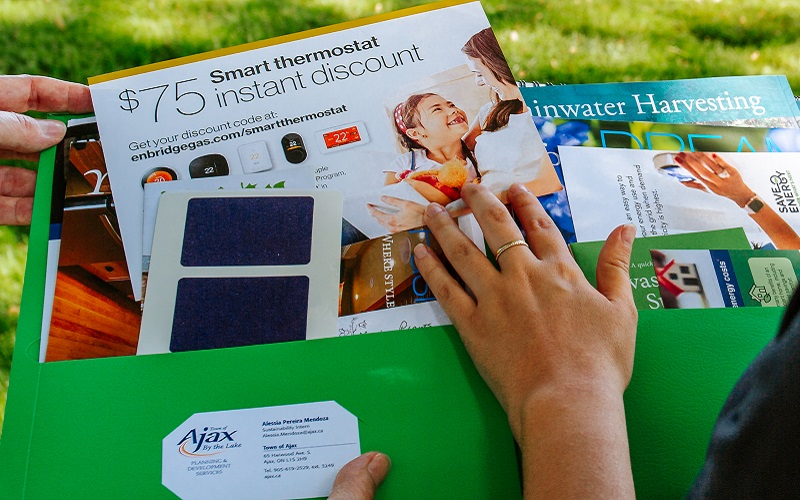
This FREE program is designed to equip residents with personalized information about water and energy use, solid waste management, sustainable gardening, health and well-being, climate resilience, and available rebate and incentive programs in their areas.
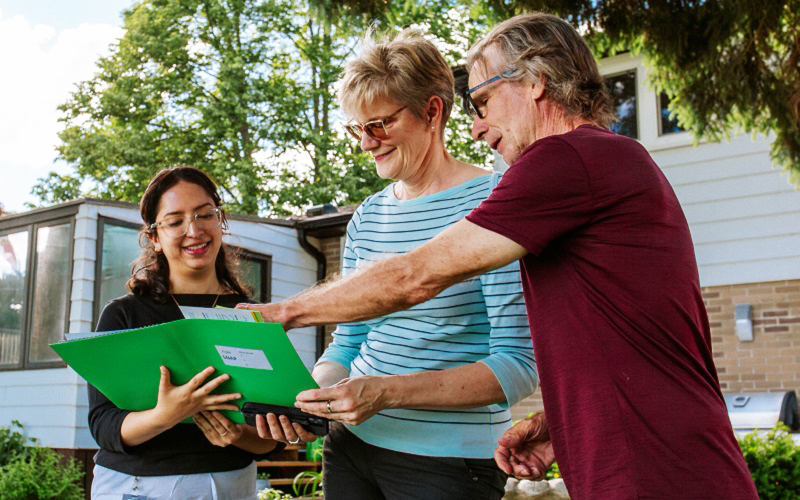
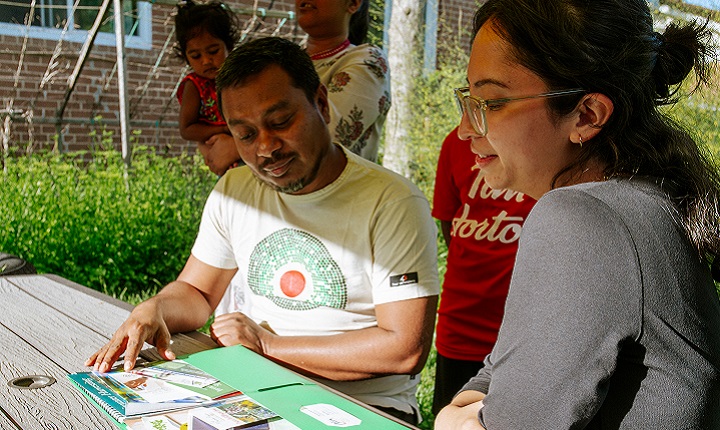
To participate, eligible homeowners can schedule a home consultation to learn how to make their home climate ready.
Participate in the Climate Ready Homes Program
Join the movement in your neighbourhood today! Book a FREE home consultation and learn about interior and exterior actions you can take to help save money, improve home comfort, and increase your home’s climate resilience. Limited home consultations available per neighbourhood.
Home consultations will last approximately 60 to 90 minutes and are available to all residents who live in a detached or semi-detached home or townhome within TRCA’s jurisdiction. Addresses will be verified.
Participate in a home consultation and receive one FREE incentive of your choice!*
Incentives include:
- Rain barrel
- Tree or shrub
- DIY air sealing kit for energy savings
- Basement flood alarm
- Emergency preparedness kit
*Incentives are available on a first come, first served basis while supplies last.
About the Climate Ready Homes Program

The Climate Ready Homes Program is designed to empower residents to create more sustainable, resilient, and comfortable homes while contributing to healthier communities.
Through personalized support, incentives, and practical tools, the program helps homeowners address Key Action Areas like energy efficiency, water conservation, eco-landscaping and emergency preparedness.
To make sustainable home improvements more accessible, program participants gain access to:
- Expert guidance
- Financial incentives
- Educational workshops
From energy-efficient upgrades and flood protection to eco-friendly landscaping and emergency preparedness, Climate Ready Homes will support every step.
Building upon the success of the Sustainable Neighbourhood Action Program (SNAP), which has been helping communities implement tailored, community-driven solutions for over 15 years, Climate Ready Homes brings proven approaches to home-level sustainability.
This program continues that tradition by making it easier for homeowners to take meaningful steps toward climate adaptation and energy efficiency.
Small changes. Big Impact. Personalized guidance for a Climate Ready Home.
Resources
Find resources and tools that will help get you started on addressing the Climate Ready Homes Key Action Areas:
Water, Stormwater Management & Flood Prevention
By using water wisely, improving stormwater management, and creating natural habitat, residents can reduce flood risks, enhance biodiversity, and contribute to a healthier, more climate-resilient community.
GENERAL RESOURCES
| Resource | Description |
|---|---|
| BASEMENT AND HOME FLOODING: | |
| Basement Flood Protection Checklist | Detailed steps to reduce basement flooding risk |
| Top 10 Actions to Reduce Basement Flood Risk | Home upgrades and simple seasonal maintenance activities |
| Home Flood Protection Check-up | Complete to receive a confidential report |
| Understanding Water Damage Insurance Coverage | An introduction to the Home Flood Protection Program |
| STORMWATER MANAGEMENT: | |
| Mandatory Downspout Disconnection | Disconnection from the city’s sewer system |
| Government of Ontario: Stormwater Management | Understanding stormwater management at home |
| Rain Barrels for Sale | Comparison of rain barrel programs |
| WATER CONSERVATION: | |
| Team Water Smart – Low Flow Toilets | Recommendations for water efficient toilets |
| TRCA – Rainwater Harvesting | Learn how to capture and use rainwater |
| TRCA – Sustainable Technologies Evaluation Program: Water Conservation | Common water conservation practices |
READ MORE ABOUT THIS ACTION AREA
Managing water resources efficiently and preparing for flood risks are essential for protecting homes, communities, and local ecosystems.
Poor water management can lead to flooding, property damage, and increased costs for homeowners, while inefficient water use can strain local water supplies.
By implementing stormwater management strategies, reducing runoff, and using water wisely, residents can protect their homes, support biodiversity, and contribute to a more sustainable water cycle.
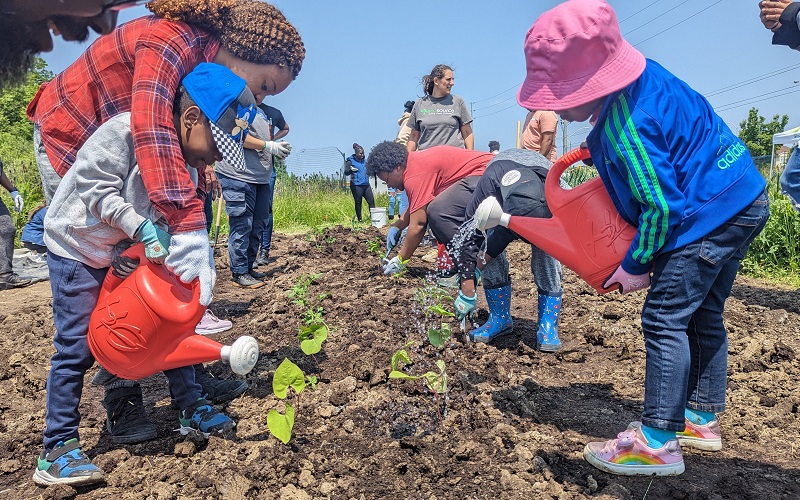
Gardening and eco-landscaping play a key role in water management. Planting rain gardens, native plants, and deep-rooted vegetation helps absorb excess rainwater, reducing the risk of flooding while also creating habitat for pollinators, birds, and other wildlife.
Rain barrels can be installed to collect and store rainwater for later use, reducing reliance on municipal water for gardening and household tasks. Permeable paving allows rainwater to soak into the ground rather than creating runoff that can overwhelm storm drains and lead to flooding.
At-home flood prevention measures include elevating appliances, sealing basement cracks, installing sump pumps with battery backups, and using backwater valves to prevent sewer backups. Simple maintenance practices, such as keeping gutters and downspouts clear of debris, can further reduce water damage risks.
Beyond individual actions, community-wide stormwater management initiatives strengthen flood resilience. Residents can participate in local flood preparedness programs, neighborhood green infrastructure projects, and tree-planting initiatives that help absorb excess rainwater and mitigate the urban heat island effect.
Our educational workshops will help residents to stay informed about flood risks, water conservation, and best practices for sustainable landscaping.
Small changes at home can protect homes and landscapes while ensuring that water resources are used efficiently for generations to come.
Energy & Greenhouse Gas Reduction
Simple yet impactful actions, such as sealing air leaks and using programmable thermostats, can significantly enhance home energy comfort and efficiency and future-proof your home against rising energy costs while reducing greenhouse gas (GHG) emissions and environmental impact.
GENERAL RESOURCES
| Resource | Description |
|---|---|
| ELECTRIC VEHICLES: | |
| Government of Ontario – Electric Vehicles | Learn about low carbon and electric vehicles |
| Plug ‘N Drive | Learn about the benefits of electric vehicles |
| ENERGY SAVING: | |
| Canada’s Home Electrification Tool Kit | Your guide to lowering GHG emissions |
| Canadian Real Estate Association Guide | A homeowner’s guide to energy efficiency |
| Consumers Energy Tips | 100 ways to save on energy bills |
| Government of Ontario – Electricity | Learn how to reduce your electricity costs at home |
| HEAT PUMPS: | |
| Natural Resources Canada – Heat Pump Basics | Learn about electric heating and cooling systems |
| Natural Resources Canada – Oil Heating Transition | Learn how to transition from oil to electric heating |
| TRCA – Sustainable Technologies Evaluation Program: Smarter Home Heating | Air-source heat pumps to heat and cool homes |
| HEATING AND COOLING: | |
| Energy Star – Heating and Cooling | A guide to improve your energy efficiency |
| Natural Resources Canada | Guide to buying Energy Star certified products |
| INSULATION, WINDOWS, AND DOORS: | |
| Energy Star – Seal and Insulate Air Leaks | Tips to improve your home’s insulation |
| Natural Resources Canada – Windows, Doors, and Skylights | Save on energy by installing efficient models |
READ MORE ABOUT THIS ACTION AREA
Reducing energy use and greenhouse gas (GHG) emissions is crucial for fighting climate change and lowering utility bills.
Homes with poor insulation, outdated appliances, and inefficient heating and cooling systems consume more energy, leading to higher emissions and costs. By upgrading to energy-efficient appliances, improving insulation, and using smart thermostats, residents can reduce their carbon footprint while saving money.
Canadians spent $28.1 billion on home energy in 2020, with 61% for home heating alone.
Upgrading to heat pumps for heating and cooling improves home efficiency by using less energy compared to traditional furnaces and air conditioners. Transitioning to renewable energy sources like solar panels and solar water heaters can further cut energy costs and emissions.
Moving toward decarbonization and net-zero homes means replacing fossil fuel-based heating with electric alternatives, improving energy performance, health and safety, and reducing overall household emissions.
By adopting these strategies and making behavioural changes, residents can reduce their environmental impact, enhance comfort, and future-proof their homes against rising energy costs.
Waste Management
Responsible waste management reduces pollution, conserves resources, and supports a circular economy.
GENERAL RESOURCES
| Resource | Description |
|---|---|
| CIRCULAR ECONOMY: | |
| Repair Café Toronto | Events and tips for repairing your broken items |
| York Region – Circular Economy Roadmap | Extend the life of your goods, food, and products |
| COMPOSTING: | |
| Ontario Gardening | Beginners guide to home composting |
| York Region – Compost and Green Bin | Learn about composting and available rebates |
| WASTE REDUCTION: | |
| David Suzuki’s Queen of Green – Food Waste | Improve your food storage and save money on food |
| UofT Trash Team – Waste Audit | Tips to complete a home waste audit |
| UofT Trash Team – Waste Reduction | Tips to reduce your household and personal waste |
| York Region – Food Storage | Learn about food storage and limit food waste |
READ MORE ABOUT THIS ACTION AREA
Diverting materials from landfills, repurposing items, and reducing unnecessary consumption are key strategies for sustainable living.
Residents can minimize waste by reducing single-use plastics, composting organic waste, and recycling properly.
Participating in repair cafés, swap events, and tool-sharing programs extends the lifespan of household items and prevents waste generation.
Proper disposal of hazardous materials, such as electronics, batteries, and household chemicals, ensures a cleaner and safer environment.
By adopting these waste reduction strategies, residents contribute to a more sustainable community while helping municipalities meet diversion and sustainability targets.
Sustainable Gardening
Sustainable gardening transforms outdoor spaces into climate-resilient landscapes that support biodiversity and local food production.
GENERAL RESOURCES
| Resource | Description |
|---|---|
| GARDENING: | |
| Ontario – Invasive Plants | Grow Me Instead guide on planting native plants |
| TRCA – Gardening for Bees | Learn how to support pollinators in your garden |
| TRCA – Invasive Species Guide | Learn how to identify and control invasives |
| TRCA – Native Plants Guide | Learn how to create native plant gardens |
| LANDSCAPING: | |
| Hydro One – Planting Trees for Shade | Landscaping tips for energy savings |
| Intact Centre – Working with Nature at Home | Three ways to reduce climate risk |
| Peel Region – Fusion Landscaping | Create a low-maintenance outdoor space |
| TRCA – Healthy Yards: Rain Gardens | Learn how to create a rain garden |
READ MORE ABOUT THIS ACTION AREA
By incorporating native plants, drought-resistant landscaping, and permeable surfaces, residents can reduce water use, improve soil health, and mitigate urban heat effects.
Native gardens and pollinator-friendly plants provide critical habitat for birds, bees, and butterflies.
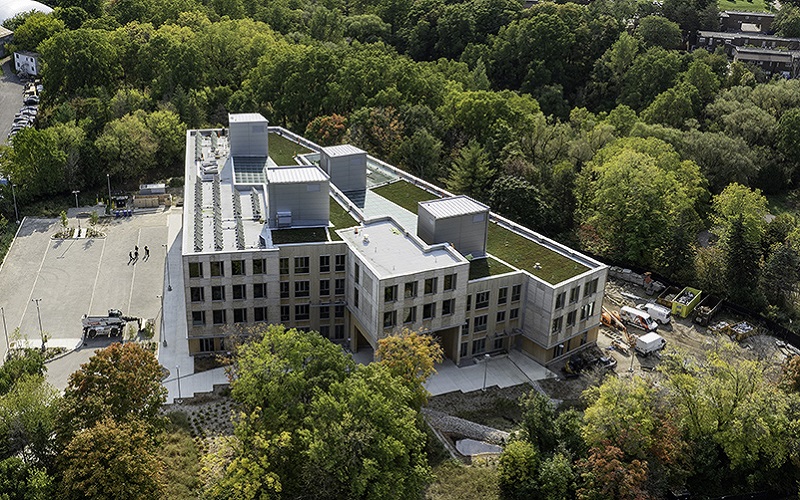
Tree planting, green roofs, and bioswales enhance cooling effects and manage stormwater.
Rain gardens and mulching help improve soil moisture retention and reduce irrigation needs.
Urban agriculture, including backyard gardens, community plots, and rooftop gardening, provides fresh, locally grown food while fostering social connections. Residents can harvest and share food, participate in seed exchanges, and support food security through neighborhood initiatives.
Health & Well-being
A healthy home supports both physical and mental well-being, ensuring a high quality of life.
GENERAL RESOURCES
| Resource | Description |
|---|---|
| ENVIRONMENTAL HEALTH: | |
| Air Quality Ontario | Information and forecasts on Ontario air quality |
| Air Quality Ontario – AQHI | Air Quality Health Index – updated hourly |
| Government of Canada – Climate Change | Risks to health from climate change |
| Health Canada – Indoor Air Quality | Tips to improve the air quality in your home |
| Health Canada – Radon Gas | Learn about radon and how to test your home |
| PHYSICAL HEALTH: | |
| Green Communities Canada – Canada Walks | Promoting the value of walking and walkability |
| Green Communities Canada – Safer Streets | Guide to creating safer streets near schools |
| Ontario By Bike | Explore bike maps, trails, and tips for cycling |
| ParticipACTION | Helping people to increase physical activity |
| walkON | Took kit for walkable communities |
READ MORE ABOUT THIS ACTION AREA
Indoor air quality improvements, such as better ventilation, radon mitigation, and mold prevention, help protect against respiratory issues.
Non-toxic building materials and low-emission products create safer living environments.
Access to green spaces, walkable streets, and active transportation options encourages healthier lifestyles. Community initiatives that promote biking infrastructure and pedestrian-friendly neighborhoods are essential, and there are also steps you can take at home, such as tree planting, which contribute to cleaner air and cooler outdoor space.
Social connectivity is also essential. Strong community ties improve mental health, reduce stress, and enhance resilience during crises. Local events and sustainability workshops delivered by TRCA can help to foster stronger bonds and a greater sense of belonging.
Climate & Emergency Preparedness
Preparing for climate-related emergencies protects homes and communities from risks such as flooding, extreme heat, and infrastructure failures.
GENERAL RESOURCES
| Resource | Description |
|---|---|
| CLIMATE CHANGE: | |
| TRCA – Climate Change Fact Sheet | Understanding climate change in your community |
| TRCA – Taking Action on Climate Change | Learn how TRCA is combating climate change |
| EXTREME WEATHER EVENTS: | |
| Building Resilient Neighbourhoods | Learn how to get ready for extreme heat |
| Government of Canada – Get Prepared | Guides and resources to prepare for emergencies |
| Institute for Catastrophic Loss Reduction | Steps you can take to prevent basement flooding |
| Intact Centre – Extreme Heat | A guide on practical actions to reduce risks |
READ MORE ABOUT THIS ACTION AREA
Homeowners who take proactive measures are more resilient to disasters and recover more quickly.
Key strategies include creating emergency kits, developing household preparedness plans, and improving home flood resilience. Moisture sensors and leak detection systems help prevent damage from burst pipes and aging plumbing infrastructure.
Residents should also be aware of flood risk zones, insurance options, and municipal emergency resources.
Beyond personal preparedness, community response networks strengthen resilience by coordinating local support systems, training residents, and enhancing emergency response efforts.
News & Events
Join Our Mailing List
VIEW OUR LATEST NEWSLETTERS
Contact
Have a Question About the Climate Ready Homes Program?
Please complete the form below and a TRCA staff member will answer you query within two business days.
FOR MORE INFORMATION:
Lisa Der, Coordinator, Sustainable Neighbourhoods
ClimateReadyHomes@trca.ca | (416) 278-2437
Supported By: